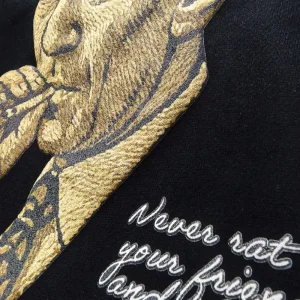
Explore our premium product line, designed to provide high elongation, excellent wash resistance, and tagless comfort for performance wear.
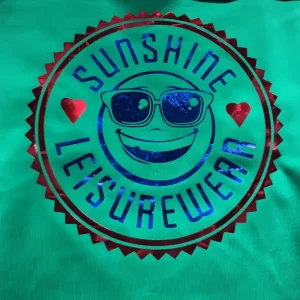
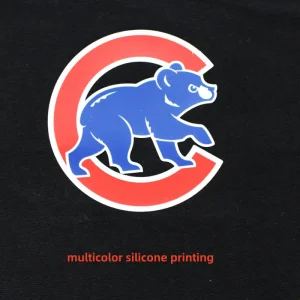

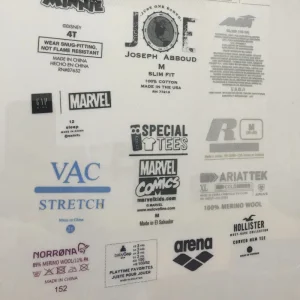
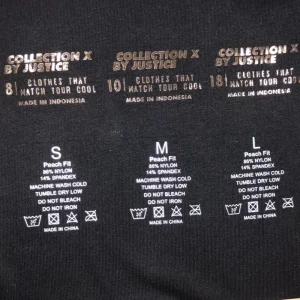
The global apparel industry has witnessed a paradigm shift in recent years, pivoting from traditional, sewn-in woven tags to sophisticated, high-performance neckline heat transfer labels. Driven by the explosive rise of athleisure, activewear, and intimate apparel, global brands require branding methodologies that eliminate skin irritation, optimize manufacturer operations, and maintain pristine brand aesthetics after dozens of machine washes.
China, as a primary manufacturing hub, serves as the dominant exporter of these specialized transfers. This success is powered by advanced chemical formulations, highly automated screen-printing machinery, and extensive logistics networks. Sourcing direct from experienced exporters allows apparel manufacturers across the US, Europe, and Southeast Asia to procure certified materials compliant with OEKO-TEX Standard 100, ensuring all ink formulations are free from harmful substances and heavy metals.
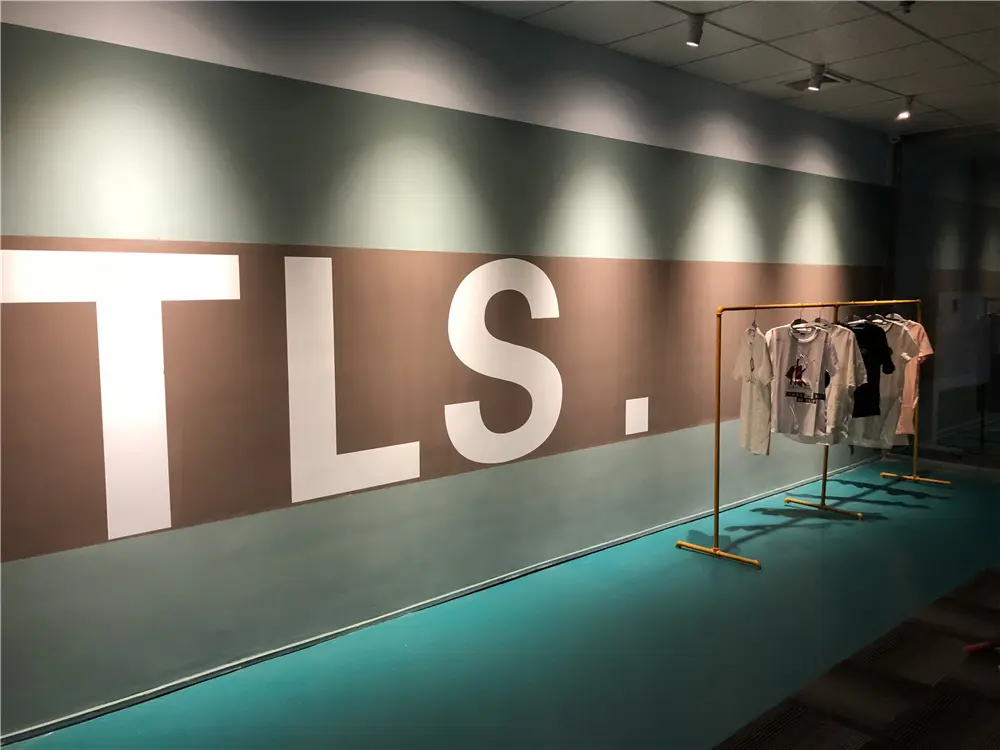
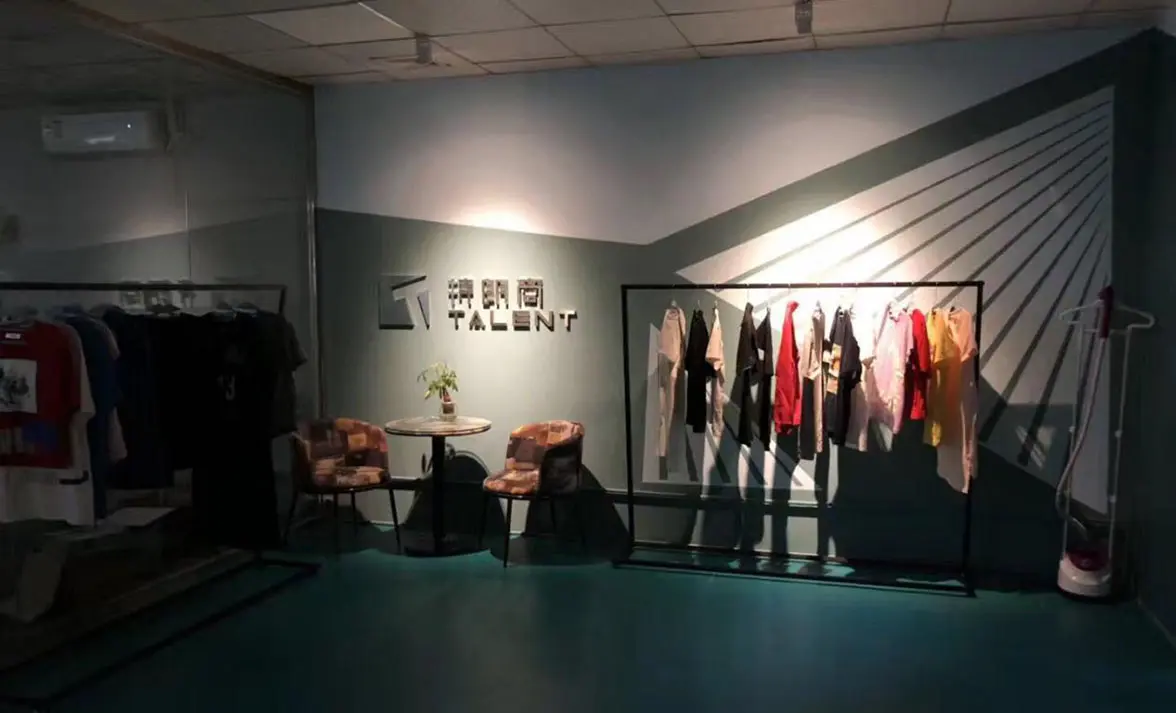
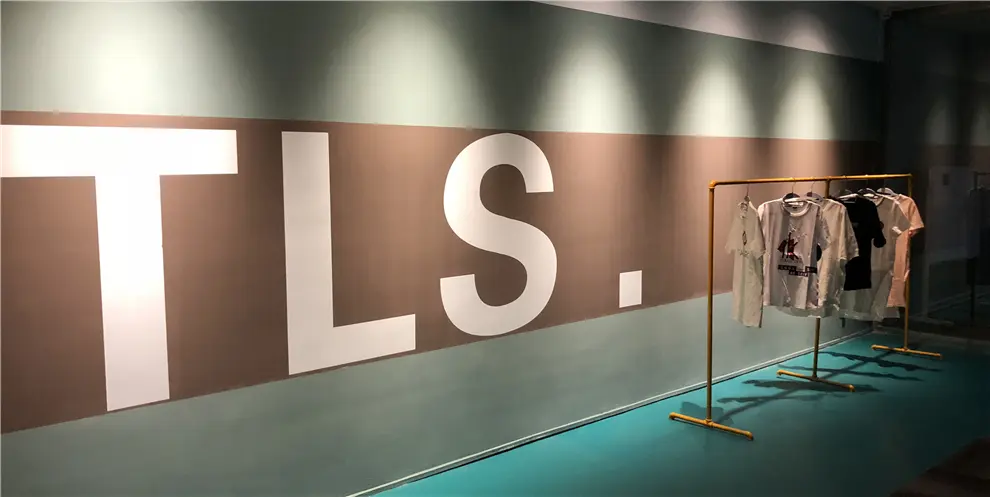
SZ Talent stands as a premier manufacturer in the heat transfer label industry, boasting over ten years of specialized production experience.
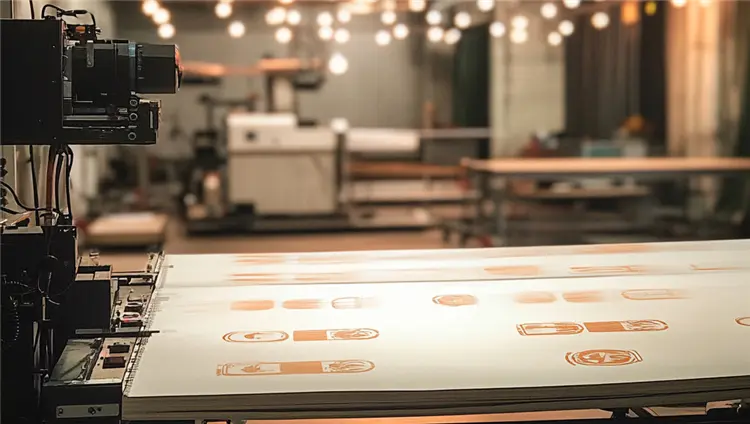
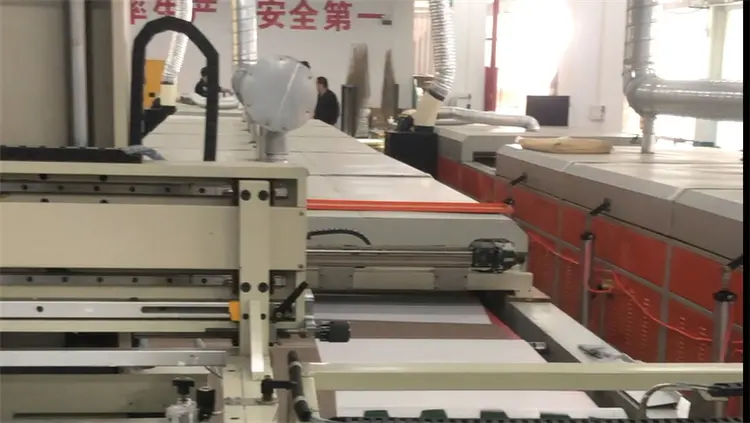
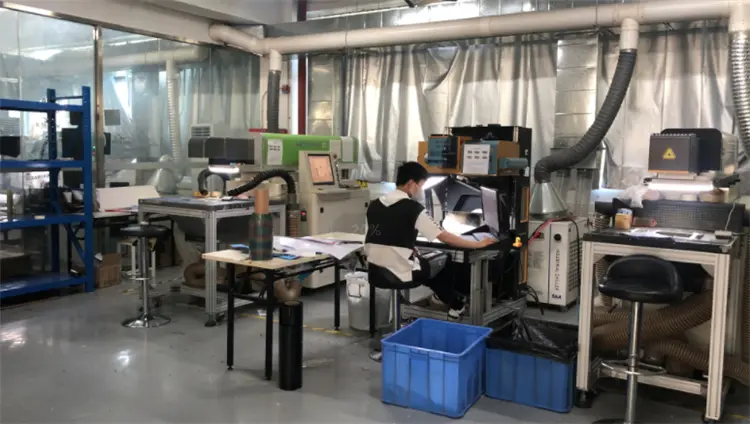
SZ Talent integrates research, production, sales, and localized client services. Our modern facility utilizes advanced automated screen-printing and laser-cutting setups to guarantee consistency across multi-million piece batches. We focus on developing solutions that are highly stretchable, resistant to sublimation dye-migration, and exceptionally soft to the touch.
By keeping quality, integrity, and reciprocal business growth at our core, we serve as the partner of choice for sports apparel suppliers and global fashion houses seeking reliable thermal transfer solutions.
Apparel substrates differ greatly, ranging from dense performance elastanes to delicate organic cottons and heavily dyed polyester synthetics. Sourcing the correct heat transfer composition is paramount to preventing defects like cracking, peeling, or dye migration.
| Label Tech Category | Underlying Material Chemistry | Best Applied Fabric Types | Unique Technical Advantages |
|---|---|---|---|
| Silicone Heat Transfer | Premium High-density Liquid Silicone Ink | Spandex Blends, Polyester Sportswear | Extreme 3D profile, rubbery hand-feel, superb stretch recovery, 100% cracking resistance. |
| PU Polyurethane | Water-based Eco-friendly Polyurethane Dispersion | Organic Cotton, Micro-Mesh, Lycra | Ultra-thin interface, zero touch sensation (itch-free), highly cost-effective for mass apparel. |
| Anti-Migration | Carbon-infused Sublimation Barrier Layer | Sublimated Polyester, Fleece, Softshell | Prevents background dye molecules from seeping into light-colored logo inks during heat activation. |
| Reflective / Color-Shift | Micro-glass Bead Retroreflective Polymer | Safety wear, Running/Cycling shirts | High-visibility illumination (exceeding 350 cd/lux/m²), visual premium fashion appeal. |
| 3D Puff / Foam | Blowing Agent-infused Plastisol/Water base | Heavyweight Hoodies, Lifestyle tees | Expands upon heat activation to deliver a tactile, distinct 3D lofted texture. |
At the core of a reliable tagless neck label is the hot-melt adhesive powder or film layer. High-quality exporters utilize co-polyester or co-polyamide hot melts with a low melting point (typically 120°C to 150°C) but high crystalline stability. This ensures that the label bonds securely to the fabric fibers during heat press activation, yet does not melt or degrade during high-temperature washing or industrial laundering.
For sourcing managers, procurement agents, and apparel brand developers, understanding the variables that determine the *Pricelist* of neckline heat transfer labels is vital. Unit costs are largely volume-dependent, but substrate material choices and ink configurations play a significant role.
Below represents an average wholesale pricing scale per design, based on a standard 3cm x 5cm, 2-color neckline brand and size label layout.
| Order Tiers (Units) | Standard Polyurethane (PU) | High-Density Silicone | Anti-Migration Block | Typical Ocean/Air Lead Time |
|---|---|---|---|---|
| 3,000 - 9,999 (MOQ) | $0.06 - $0.08 / pc | $0.12 - $0.16 / pc | $0.09 - $0.11 / pc | 5 - 7 Production Days |
| 10,000 - 49,999 | $0.04 - $0.05 / pc | $0.09 - $0.12 / pc | $0.06 - $0.08 / pc | 7 - 10 Production Days |
| 50,000 - 99,999 | $0.025 - $0.035 / pc | $0.07 - $0.09 / pc | $0.04 - $0.05 / pc | 10 - 12 Production Days |
| 100,000+ | $0.015 - $0.022 / pc | $0.05 - $0.06 / pc | $0.025 - $0.035 / pc | 12 - 15 Production Days |
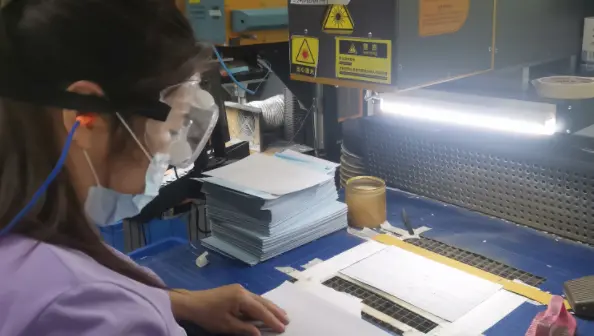
Correct application at the garment factory level is essential to guarantee the long-term performance of your neckline transfers. Even the highest-grade hot-melt adhesive will fail if the correct combination of **Temperature**, **Pressure**, and **Dwell Time** is not maintained.
For standard PU and Silicone heat transfers, calibrate the heat press machine between 140°C and 160°C (284°F - 320°F). Use pyrometer strips regularly to ensure the heating element has no cold spots.
Apply heat consistently for 10 to 15 seconds. Insufficient time prevents the hot-melt from flowing into the fabric weave, while excessive dwell time can singe the synthetic fibers or over-cure the glue, weakening the bond.
Maintain a medium to firm pressure range (4 to 5 bar / 40-60 PSI). Good pressure forces the molten adhesive matrix around the fabric's individual yarn filaments.
Strictly follow the material sheet design criteria—peeling "Hot" (immediately within 1-2 seconds) or "Cold" (letting the label cool completely). Incorrect peeling actions can tear the edges of the logo artwork.
High-volume apparel production often faces two major challenges: **Dye Migration** on synthetic garments and **Elastic Cracking** on stretch fabrics. Below, we discuss how our manufacturing processes resolve these issues:
When applying white or light-colored labels onto dark sublimated polyester (such as navy or black activewear shirts), the heat from the press re-activates the dispersed dye molecules in the fabric. These dyes migrate into the ink layer of the label, causing a white logo to turn grey or pink over time.
The Solution: Our factory formulates a dedicated anti-migration layer. This barrier absorbs and halts the migrating dye particles, keeping your brand graphics sharp and color-fast.
High-performance activewear contains high ratios of spandex/elastane. When a garment is stretched, the neck label must stretch in tandem and return to its original shape without cracking or distorting the brand logo.
The Solution: We utilize high-elongation polyurethane polymers and liquid silicone ink bases. These formulations allow for up to 300% elongation, guaranteeing the transfer flexes with the fabric.
Expert insights answering key technical questions from purchasing managers and manufacturing teams.
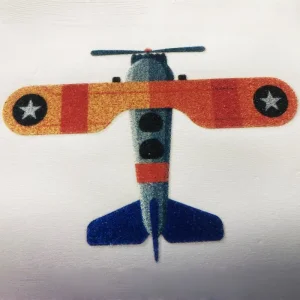
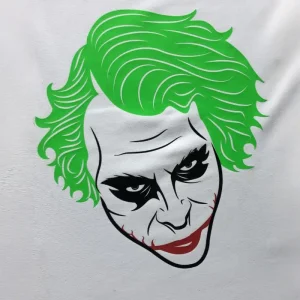
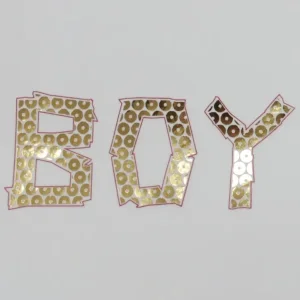
Browse our specialized, textured, and functional heat transfer variants engineered for diverse market needs.
 TALENT Industrial