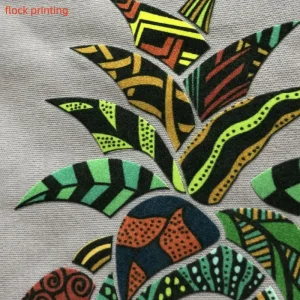
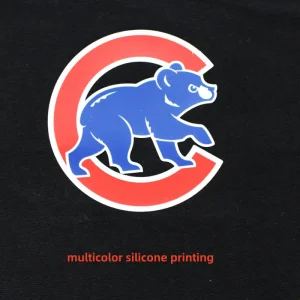
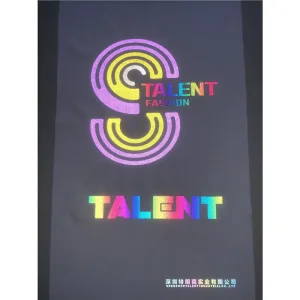
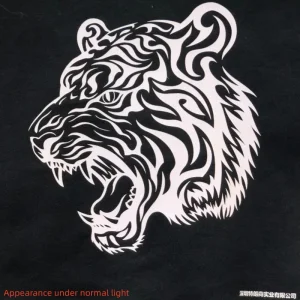
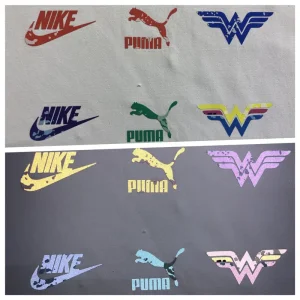
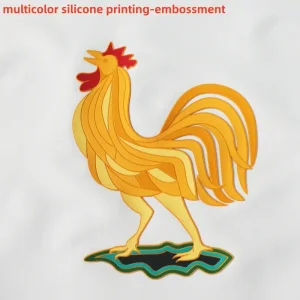
Explore our flagship custom heat transfer products and interactive label technologies, designed for durability and high-visual impact.
A Comprehensive Study of Optical Materials, LSR Co-Molding Micro-Structures, and Global Procurement Standards.
Lenticular lens technology, traditionally restricted to flat plastic films such as PET or PVC, has undergone a massive engineering evolution. Today's global sportswear, outdoor technical gear, and luxury streetwear brands demand flexibility, elasticity, and heat-resistance parameters that thermoplastic films cannot support. By integrating micro-optical lenticular arrays directly into Liquid Silicone Rubber (LSR), modern manufacturers have developed the Lenticular Lens Silicone Patch.
This hybrid embellishment fuses optical physics with polymer engineering. A precision-engraved mold incorporates ultra-fine cylindrical lenses (ranging from 75 to 161 LPI—Lenses Per Inch). When optical-grade silicone is injected under high pressure, it forms a series of micro-lenses on the upper surface of the patch. An interlaced image, printed using high-elasticity polyurethane or silicone inks, is placed precisely at the focal plane of these micro-lenses. As the viewer's angle of perspective shifts, the lenses isolate different columns of pixels, resulting in dynamic visual transformations: 3D depth illusion, multi-phase morphing, and active animation frames.
SEO Insight & Technical Reality: A common point of failure for standard lenticular patches is delamination during commercial heat pressing or laundering. Optical-grade silicone handles temperatures up to 200°C without lens distortion, guaranteeing that the focal length of each lenticular ridge remains stable through heavy-duty industrial processing.
Historically, manufacturers relied on Thermoplastic Polyurethane (TPU) or Polyethylene Terephthalate (PET) to create optical flip effects. However, these materials exhibit high stiffness, yellowing under UV radiation, and severe deformation at heat-transfer application temperatures (140°C–160°C). Our manufacturing processes leverage dual-component platinum-cured LSR, offering unparalleled performance benefits:
| Performance Metric | PET / TPU Lenticular Film | Optical Platinum-Cured LSR Silicone | Impact on Brand Longevity |
|---|---|---|---|
| Elastomeric Memory | Poor (<10% elongation before crease) | Excellent (>300% elongation, zero deformation) | Resists cracking on stretch sports fabrics |
| Thermal Resistance | Deforms at >110°C | Thermally stable up to 220°C | Withstands commercial heat-press application |
| UV Yellowing Index | High (yellows within 6 months) | Zero UV degradation over 5+ years | Retains optical clarity and crisp 3D imagery |
| Wash Durability | 10-15 domestic washes (delaminates) | 50+ heavy-duty commercial cycles (ISO 6330) | Exceeds standard lifespan of high-end outerwear |
Providing significant information gain through proprietary manufacturing techniques, precision tooling, and quality control.
Micro-groove steel molds are machined to +/- 0.005mm tolerances. This ensures the alignment of the optical array is perfectly consistent, eliminating distortion across the entire lenticular zone.
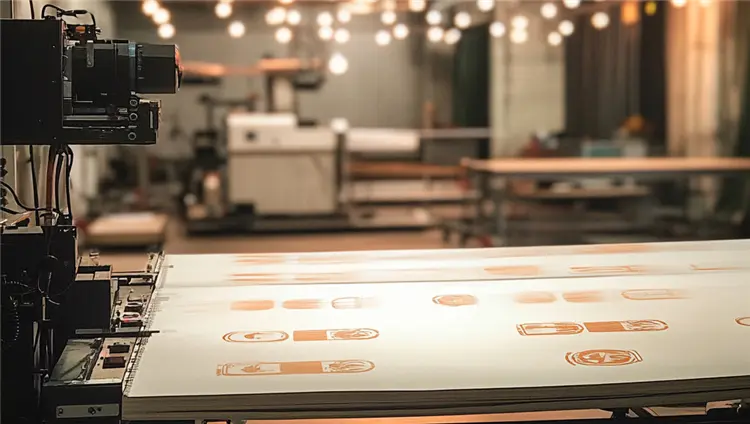
Utilizing high-resolution CCD cameras and mechanical alignment pins, the printed interlaced image is registered to the silicone lens structure with sub-micron accuracy, avoiding optical ghosting.
Our backings utilize solvent-free hot melt adhesives certified under OEKO-TEX Standard 100, providing strong bonding on nylon, polyester, and elastane blends without environmental hazard.
When procurement managers buy Lenticular Lens Silicone Patches, they face the choice of regional supply chains versus specialized hub manufacturing. The production of lenticular silicone requires an ecosystem that integrates mold tooling, polymer synthesis, high-definition optical printing, and mechanical calibration. The Chinese manufacturing landscape, concentrated around regional technology clusters like Guangdong, provides a vertically integrated framework that ensures rapid execution and quality parity.
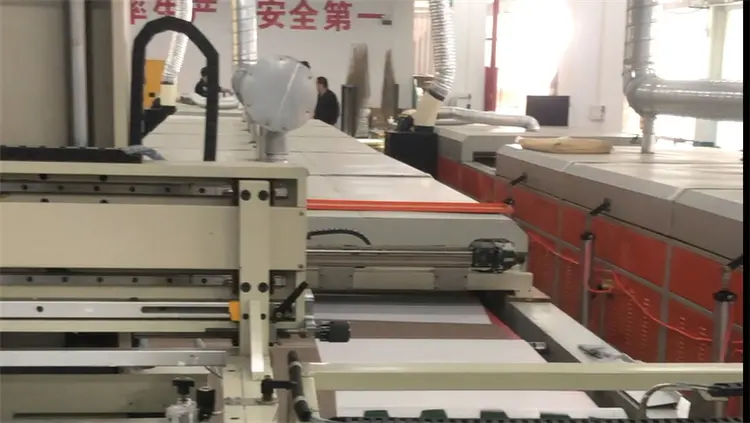
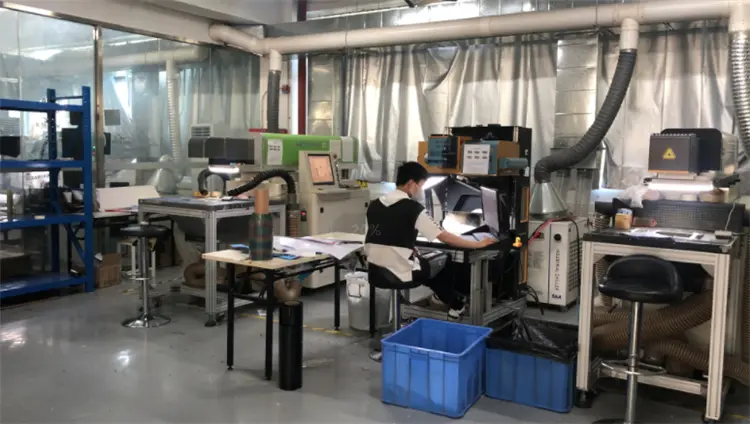
SZ Talent's automated lines minimize manual assembly steps, which are the main cause of misalignment in multi-layered patches. Our manufacturing framework incorporates automated CCD optical positioning, high-pressure LSR injection systems, and real-time spectrophotometer color control. This setup handles large production runs while keeping raw material costs under control and scrap rates below 1.5%.
To qualify as an approved B2B vendor for brands like Nike, Adidas, Lululemon, or Patagonia, a factory must adhere to rigorous testing protocols. For Lenticular Silicone Patches, the testing sequence is designed to simulate years of heavy usage:
Ten Years of Manufacturing Excellence, R&D Depth, and Automated Production Systems.
SZ Talent is a leading company with more than ten years of experience specializing in all kinds of heat transfer labels. Our comprehensive approach combines innovation, research and development, production, sales, processes, and service. We are proud of our industrial automated production lines, dedicated team of technical experts, and strong management system. Our focus remains on developing innovative, environmentally friendly, functional, and fashionable heat transfer products.
We adhere to the core values of quality-oriented, integrity-based, mutual benefit, promoting innovation, and ensuring long-term development. Our efforts are always focused on meeting the needs of our customers. We continuously invest in advanced technologies and processes to increase our production capabilities and meet our customers' growing needs. Our continued growth is a testament to our commitment to providing exceptional products and services.
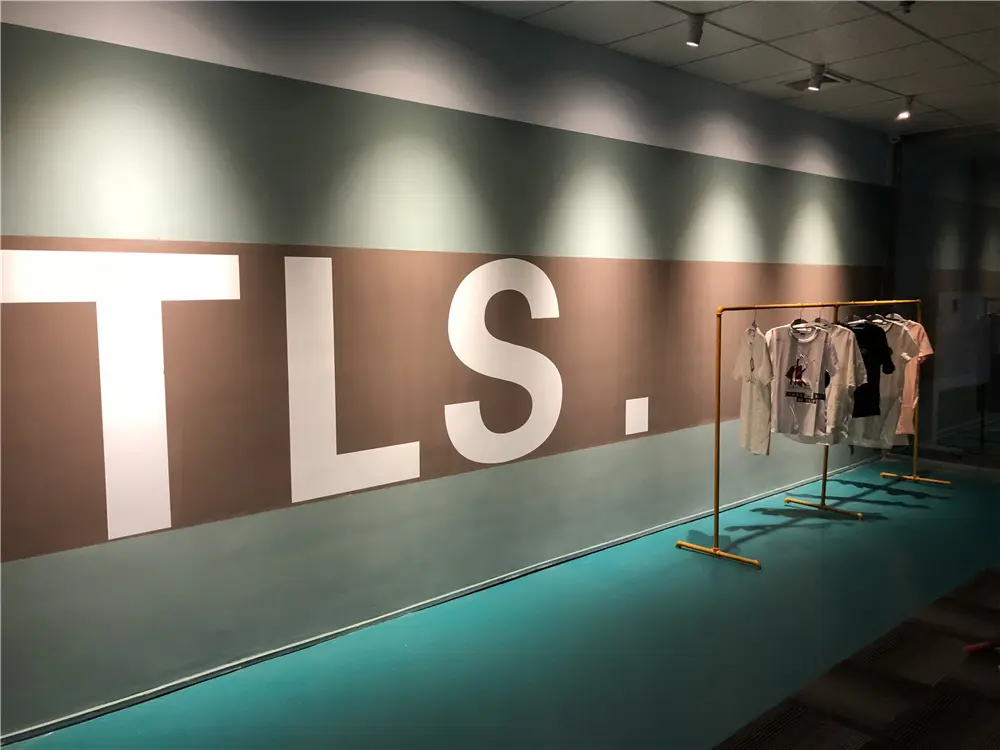
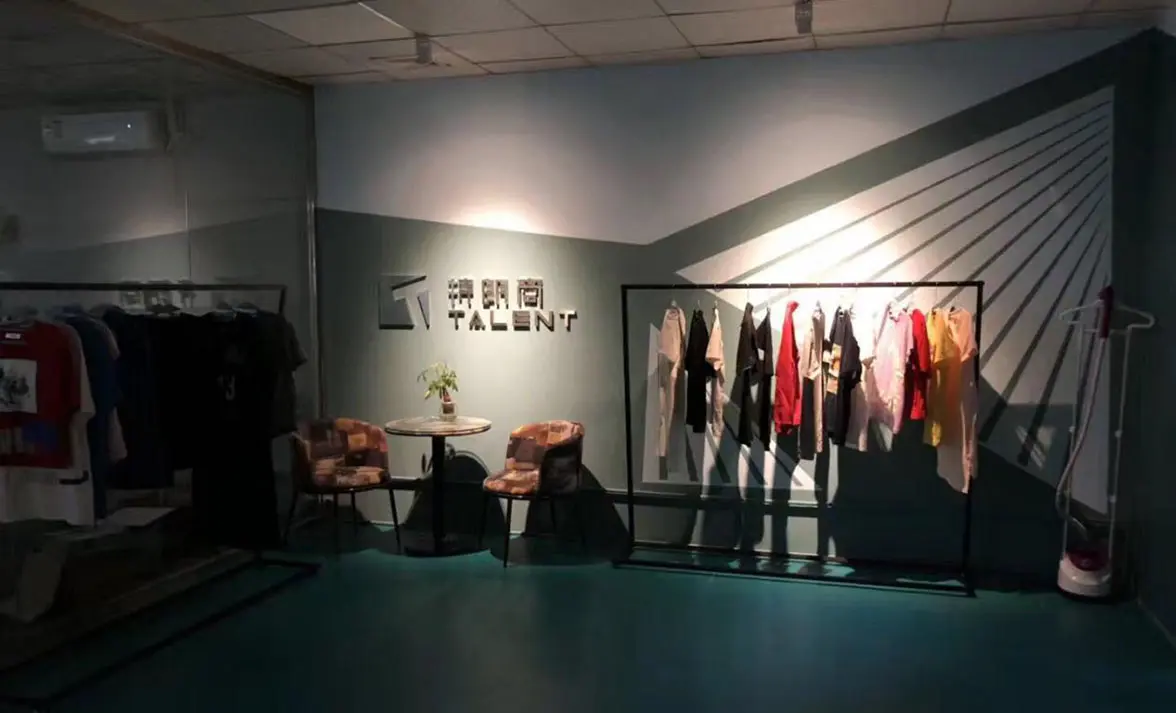
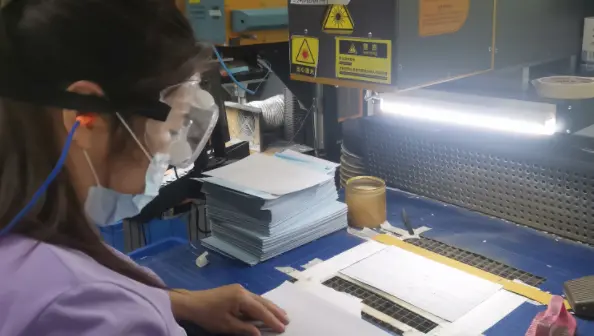
Our facilities are equipped with the latest technology to ensure efficient production and high-quality output. We have made significant investments in infrastructure to create an enabling environment for innovation, research, and development. Our facilities are designed to meet the highest industry standards and meet the diverse needs of our customers.
Critical procurement intelligence and engineering guidance answered by our technical specialists.
Compare our diverse industrial heat transfer solutions, from high-performance reflective graphics to functional thermal-sensitive elements.
 TALENT Industrial