1. Industrial Blueprint: Decoupling Hot Melt Transfer Size Tabs
In the modern apparel supply chain, the shift toward tagless branding represents a fundamental evolution in consumer product design, combining functional comfort with high-fidelity brand presentation. At the core of this transition are Hot Melt Transfer Size Tabs. These specialized thermal transfer products utilize advanced macromolecular chemistry to transition branding, size data, and composition guidelines directly onto structural textile surfaces. By replacing traditional woven labels, these tabs eliminate friction points, reduce textile waste, and optimize automated high-speed application procedures at the factory level.
To understand the engineering behind these products, it is vital to analyze the adhesive mechanics. The heat transfer is composed of a release liner (usually a siliconized polyester PET film), decorative ink layers (formulated from plastisol-free polyurethane or premium silicone inks), and a specialized hot-melt adhesive powder layer. This adhesive is generally a thermoplastic polyurethane (TPU), copolyester, or polyamide, specifically matched to the elongation index and thermal tolerances of the target textile substrate. When exposed to heat and pressure, this solid crystalline powder liquefies, penetrates the mechanical interstices of the fabric fibers, and solidifies upon cooling to establish an unbreakable structural bond.
50+
Domestic Wash Cycles
Guaranteed AATCC 61 Method 2A standard wash-resistance without cracking or delamination.
100%
Plastisol & VOC Free
Compliant with the most rigorous OEKO-TEX Standard 100 Class I specifications for infants.
0.2s
Release Peeling Speed
Optimized cold or hot peel mechanisms engineered to accelerate industrial packaging line cycles.
2. Global Commercial Status and Supply Dynamics
The international supply chain for apparel accessories is increasingly centralized around manufacturers capable of producing high-performance thermochemical transfers. Major consumer markets in the United States, Western Europe, and Japan have implemented highly stringent standards regarding consumer comfort and toxicity levels. This has shifted manufacturing from standard low-cost thermal adhesives to high-end, bio-compatible chemical formulations.
According to recent global garment machinery and accessories research, the tagless label industry is projected to reach unprecedented demand, spurred by the athletic-leisure and compression apparel booms. Global tier-1 sports brands require suppliers who can deliver unified compliance metrics across multiple production sites. For procurement directors, sourcing directly from audited Hot Melt Transfer Size Tabs Manufacturers is no longer just a pricing decision; it is a mechanism to hedge against supply chain volatility, customs delays, and quality fluctuations.
Furthermore, current industrial trends prioritize versatility. Heat transfers must adapt to complex hydrophobic coatings, fire-retardant industrial fabrics, and high-silicone elastomeric blends. This demands advanced R&D from manufacturing centers to ensure that hot-melt formulations possess low activation temperatures (to prevent fabric scorching or dye migration) while retaining ultra-high wash durability.
3. Localized Engineering Application Scenarios
Understanding how different environmental factors dictate the chemical selection of hot-melt adhesives across global regions.
High-Humidity/Tropical Zones
In regions such as Southeast Asia and Central America, textiles are subjected to high atmospheric moisture levels and heavy sweat. Standard polyamides suffer from hydrolytic degradation under these conditions. Our customized formulation integrates a hydrophobic, cross-linked TPU that repels water vapor molecules, ensuring long-term adhesion integrity.
Industrial & Corporate Uniforms
North American and European industrial laundry cycles rely on harsh alkaline detergents, chlorine bleaches, and extreme drying temperatures up to 85°C. For these scenarios, we supply co-polyamide formulations that exhibit exceptional resistance to chemical degradation and high thermal limits, surviving 50+ industrial washes.
Compressive Performance Wear
Modern athletic apparel utilizes high percentages of spandex and nylon, requiring dynamic elongation capabilities without tearing. We apply a micro-thin, high-stretch polyurethane ink system that stretches over 200% of its original dimension, preventing the cracking commonly observed in inferior labels.
4. China Factory Supply Chain Resilience: The SZ Talent Advantage
The Chinese manufacturing ecosystem remains the global benchmark for efficiency, raw material integration, and high-speed customization in the heat transfer sector. SZ Talent exemplifies this benchmark, boasting over ten years of specialized industrial experience in premium heat transfer label production. By integrating advanced Research and Development, automated screen and digital printing processes, quality control laboratories, and a global distribution network, SZ Talent ensures that global brands receive optimal cost-to-performance metrics.
"SZ Talent is a leading company with more than ten years of experience specializing in all kinds of heat transfer labels. Our comprehensive approach combines innovation, research and development, production, sales, processes and service. We are proud of our industrial automated production lines, dedicated team of technical experts and strong management system. Our focus remains on developing innovative, environmentally friendly, functional, and fashionable heat transfer products. We adhere to the core values of quality-oriented, integrity-based, mutual benefit, promoting innovation and ensuring long-term development. Our efforts are always focused on meeting the needs of our customers."
Corporate Infrastructure & Capabilities
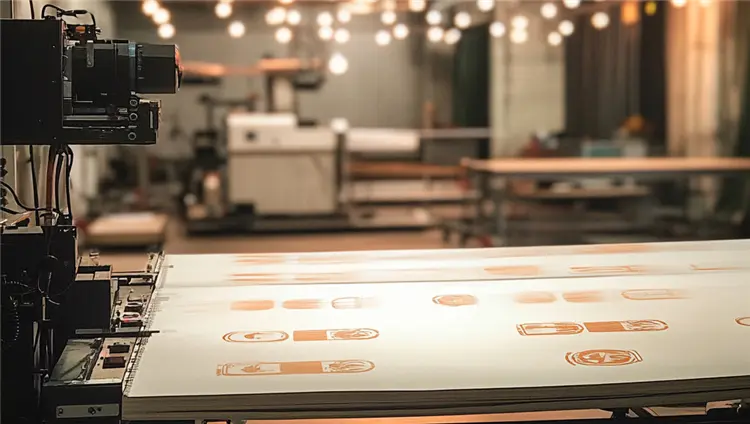
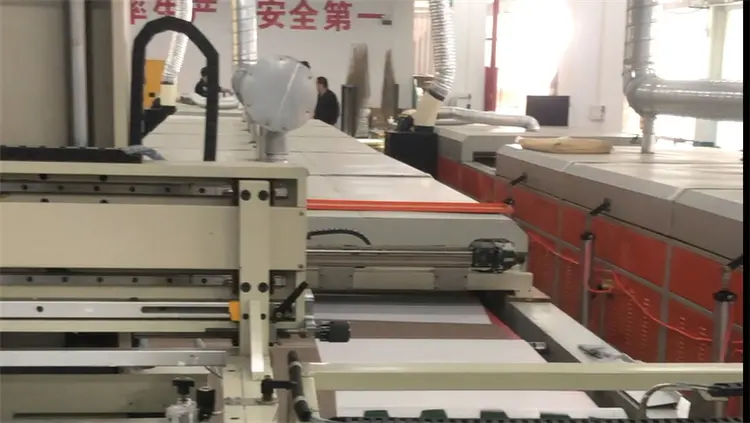
By investing in fully automated roll-to-roll screen printing and computerized dust-free chemical dispensing systems, SZ Talent has minimized human error while increasing production capacity to handle large-scale global garment contracts. The production lines feature inline CCD cameras that scan transfers for print registration tolerances under 0.1mm, ensuring that even microscopic font sizes in multi-lingual care instructions are perfectly legible.
Automated Roll-to-Roll Precision: Scaled high-speed production capability.
Eco-Friendly Chemical Formulation: Zero formaldehyde and alkylphenol ethoxylates.
Microscopic Registration Tech: Guaranteed legibility for small font legal tag text.
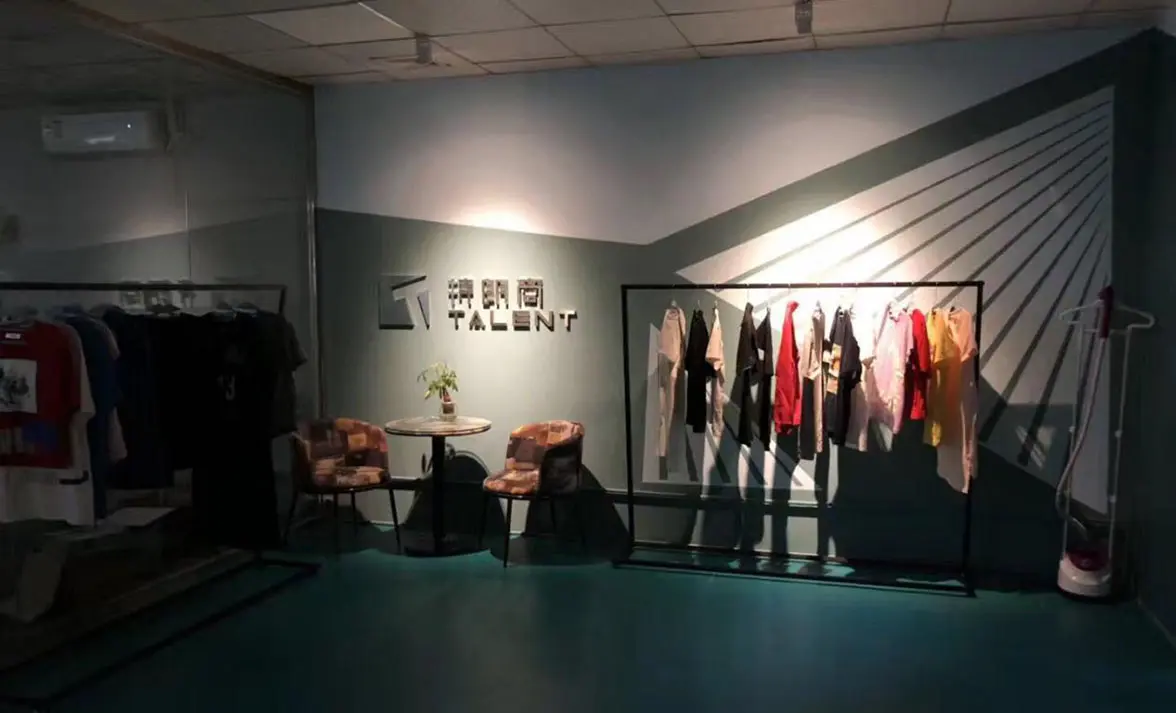
Company Profile & High-Tech Facility Showcase
SZ Talent is a well-known name in the industry, known for its commitment to quality, innovation, and customer satisfaction. We attach great importance to research and development and continuously introduce cutting-edge products that meet the changing needs of the market. Our commitment to excellence makes us a trusted partner for businesses looking for high-quality thermal transfer labels.
Business Growth
Over the years, we have experienced significant growth and expansion due to our unwavering commitment to excellence. We continuously invest in advanced technologies and processes to increase our production capabilities and meet our customers' growing needs. Our continued growth is a testament to our commitment to providing exceptional products and services.
Facility Excellence
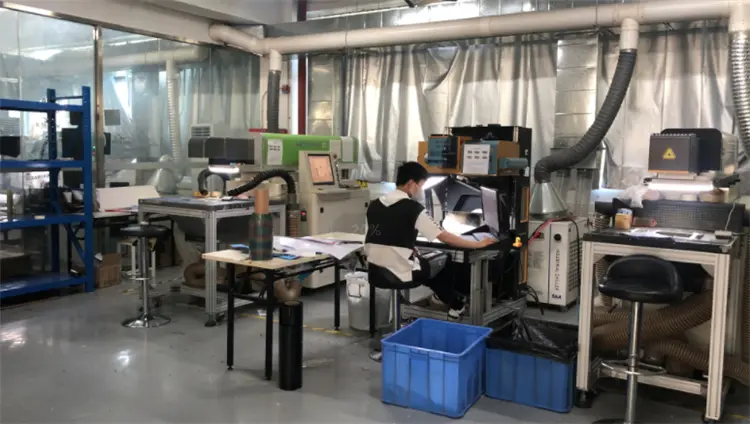
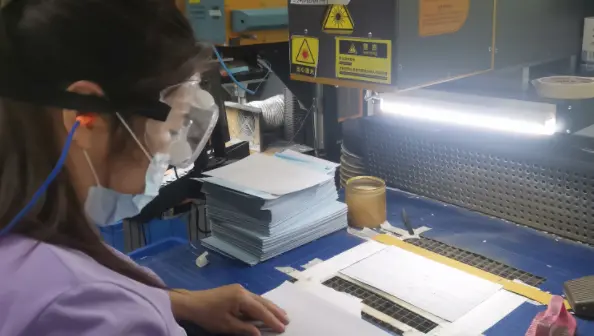
Our state-of-the-art facilities are equipped with the latest technology to ensure efficient production and high-quality output. We have made significant investments in infrastructure to create an enabling environment for innovation, research and development. Our facilities are designed to meet the highest industry standards and meet the diverse needs of our customers.
5. Technical Roadmap and Future Market Horizons
The frontier of thermal printing chemical processes is shifting rapidly toward sustainability and digital physical integration. In our R&D centers, we are currently testing water-based solvent-free printing inks that match the mechanical resilience of solvent-based inks. Solvent disposal and air emissions compliance are critical issues for modern garment manufacturers; hence, water-based setups represent the next technological leap.
Phase I: Eco-Friendly Formulations
Complete replacement of traditional plasticizers with vegetable-oil-derived alternatives. Adoption of bio-based TPU powders sourced from corn starch to reduce carbon footprint by 35% across the product lifecycle.
Phase II: Direct-to-Film (DTF) Fusion
Development of specialized hybrid powder coat materials that bridge DTF convenience with industrial screen-print durability. Providing scalable solutions for small-batch custom print lines without heavy plate-making setup costs.
Phase III: Smart Thermal Interfaces
Embedding flexible micro-electronic chips or anti-counterfeiting thermochromic layers directly into the size tabs. Enabling dynamic product authentication and digital supply chain tracking via smartphone NFC interactions.
6. Compliance Assurance, Environmental Audits, & Quality Control
In the global garment manufacturing industry, meeting chemical safety standards is paramount to market entry. Our manufacturing lines operate under stringent international certifications to ensure that every heat transfer product is chemically inert and completely skin-safe.
Regulatory Frameworks Met:
US CPSIA (Consumer Product Safety Improvement Act): Meets lead and phthalate limits for children's apparel.
EU REACH Regulation: Guaranteed exclusion of Substances of Very High Concern (SVHC).
Zero Discharge of Hazardous Chemicals (ZDHC): Restricting hazardous chemical effluents.
ISO 9001:2015 Certification: Standardized operational flows and documented traceability.
Our quality control protocols include automated tensile tests to measure elasticity, dry-cleaning cycle simulations, and cross-cut tape testing to evaluate mechanical adhesion before shipment. When a brand partners with us, we provide formal test certifications that can be integrated directly into their chemical management documentation, eliminating third-party certification delays and ensuring a smooth path to market.
7. Industrial Technical FAQ: Hot Melt Transfers & Size Tabs
Expert technical answers regarding chemistry, application processes, and manufacturing optimization.
What is the optimal temperature and pressure setting for hot melt transfer application?
For standard TPU-based adhesive transfer size tabs, the optimal application temperature ranges between 140°C and 160°C. Pressure should be calibrated to a medium-high setting of 3 to 4 bar (43.5 to 58 PSI). The dwell time is typically between 10 and 15 seconds. For heat-sensitive synthetic materials or ultra-thin fabrics, we formulate low-melt adhesives that activate at 115°C to 125°C to prevent fabric damage or thermal shrinkage.
How do you prevent dye migration (bleeding) on highly saturated polyester fabrics?
Dye migration occurs when polyester disperse dyes sublimate under heat and color the white or light-colored graphic layer of the heat transfer. To prevent this, we print a specialized anti-migration barrier layer (active carbon-filled or blockout ink) between the adhesive powder and the decorative ink. This barrier intercepts and neutralizes the sublimating dye gas during the application cycle.
What is the difference between Hot Peel and Cold Peel transfer films, and which is better for production?
Hot Peel transfers utilize a low-tack silicone release agent on the PET liner, allowing the operator to peel the carrier film immediately after pressing while the adhesive is molten. This accelerates production cycles. Cold Peel transfers require the adhesive to cool completely, recrystallizing the polymer before the carrier film is peeled off. Cold peel is preferred for extremely fine detail, textured puff inks, and silicone-based transfers, as it ensures clean edges and prevent graphic tearing.
Can these heat transfer size tabs be applied to water-repellent (DWR) treated fabrics?
Standard hot-melt transfers struggle to adhere to Durable Water Repellent (DWR) treated surfaces because the hydrophobic coatings repel liquid adhesives. For these applications, we utilize a specialized modified-copolyester adhesive containing chemical bonding promoters that can penetrate the fluorocarbon or silicone molecules of DWR coatings, achieving superior cross-linked adhesion.
What are the storage requirements and shelf-life expectations of unapplied transfers?
Unapplied heat transfers should be stored in a climate-controlled room with temperatures maintained between 15°C and 25°C and relative humidity levels between 40% and 60%. Keep the transfers sealed in their original protective PE bags and stored flat to avoid warping. Under these conditions, the hot-melt adhesive powder and carrier chemical release properties remain stable for up to 12 to 18 months from the manufacturing date.
Why do transfers sometimes crack after wash tests, and how is this avoided?
Cracking occurs when the elasticity of the ink layer does not match the elastic properties of the base fabric, or if the ink has been over-cured during the initial screening process. We avoid this by formulating our inks with flexible elastomer chains that stretch and contract alongside the fabric. We also maintain strict control over cure temperatures in our manufacturing dryers to prevent over-curing and maintain ink pliability.
Featured Heat Transfer Solutions (Batch B)
Premium industrial products engineered for absolute wash durability, precision resolution, and optimal fabric adhesion.
High-Quality China Suppliers for Glow-in-the-Dark Transfers | Durable Luminous Patches from a Reliable Factory Products, Pricelist
Best China Suppliers Factory for Professional Reflective Heat Transfer Manufacturing - Durable & Precision Patches for Stretch Fabrics Manufacturers, Factories








 TALENT Industrial