Engineered for high-volume apparel manufacturing, sports gear, and high-fashion applications.


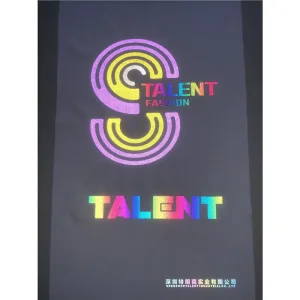
How material science and modern consumer aesthetics have elevated simple heat-applied embellishments into a multi-sensory branding powerhouse.
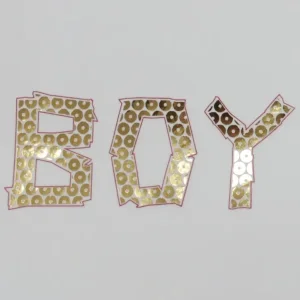
In the contemporary apparel and textile landscape, brand identity is no longer merely visual—it is tactile. As consumer choices shift toward premium textures and immersive brand experiences, the demand for three-dimensional, high-performance embellishments has skyrocketed. At the vanguard of this shift is the Glitter Puff Logo Patch, an advanced heat transfer system that seamlessly merges mechanical micro-expansion technology with crystalline glitter finishes.
Historically, achieving a textured, glittered look required multi-stage embroidery or thick plastisol screen printing, both of which suffer from major limitations: embroidery can irritate the wearer's skin and add excess weight to technical fabrics, while screen printing often cracks under stress or fails during high-temperature laundering. Modern Glitter Puff Logo Patches bypass these bottlenecks entirely. By using thermo-reactive microspheres embedded with micro-glass particles or high-refraction PET glitter flakes, manufacturers can supply lightweight, flexible, and ultra-durable 3D patches that raise precisely when applied with a thermal press.
"For modern streetwear, premium athleisure, and performance gear, the brand patch acts as the primary focal point of quality. Transitioning to advanced heat-activated puff systems allows brands to reduce material weight while multiplying visual depth."
Procuring raw materials and components at scale requires a deep understanding of international safety, chemical compliance, and durability standards. High-volume buyers—ranging from mid-tier apparel labels to Fortune 500 athletic wear giants—look for specific technical milestones when selecting their Glitter Puff Logo Patch manufacturer:
In an era marked by fluctuating shipping rates and unpredictable raw material pricing, sourcing from a manufacturer utilizing Factory 4.0 integration is the ultimate hedge against supply chain delays. China's industrial parks have evolved past manual labor-intensive assembly toward smart automation systems, which translate directly into massive benefits for overseas buyers:
Advanced multi-layered barrier technologies prevent sublimated polyester dyes from migrating upward, preserving clean white and bright glitter highlights over time.
Direct-to-screen and laser-guided micro-cutting systems allow designers to receive high-fidelity physical samples within 3 to 5 business days.
Automated nesting algorithms minimize waste during laser cutting, translating to a 15% reduction in unit cost compared to traditional manual die-cutting.
Automated manufacturing lines ensure that whether you purchase 5,000 or 5,000,000 units, the mechanical parameters and dimensional tolerances remain identical.
Our manufacturing process utilizes computer-controlled temperature tunnels. As the printed polyurethane compound passes through these zones, the foaming agents gasify uniformly, locking in a dense micro-cellular structure. The result is a tactile, resilient loft that doesn't collapse under packaging pressure or long shipping times in ocean containers.
SZ Talent is a leading company with more than ten years of experience specializing in all kinds of heat transfer labels. Our comprehensive approach combines innovation, research and development, production, sales, processes, and service. We are proud of our industrial automated production lines, dedicated team of technical experts, and strong management system. Our focus remains on developing innovative, environmentally friendly, functional, and fashionable heat transfer products.
We adhere to the core values of quality-oriented, integrity-based, mutual benefit, promoting innovation and ensuring long-term development. Our efforts are always focused on meeting the diverse needs of our clients worldwide, establishing ourselves as a trusted partner for businesses looking for high-quality thermal transfer labels.
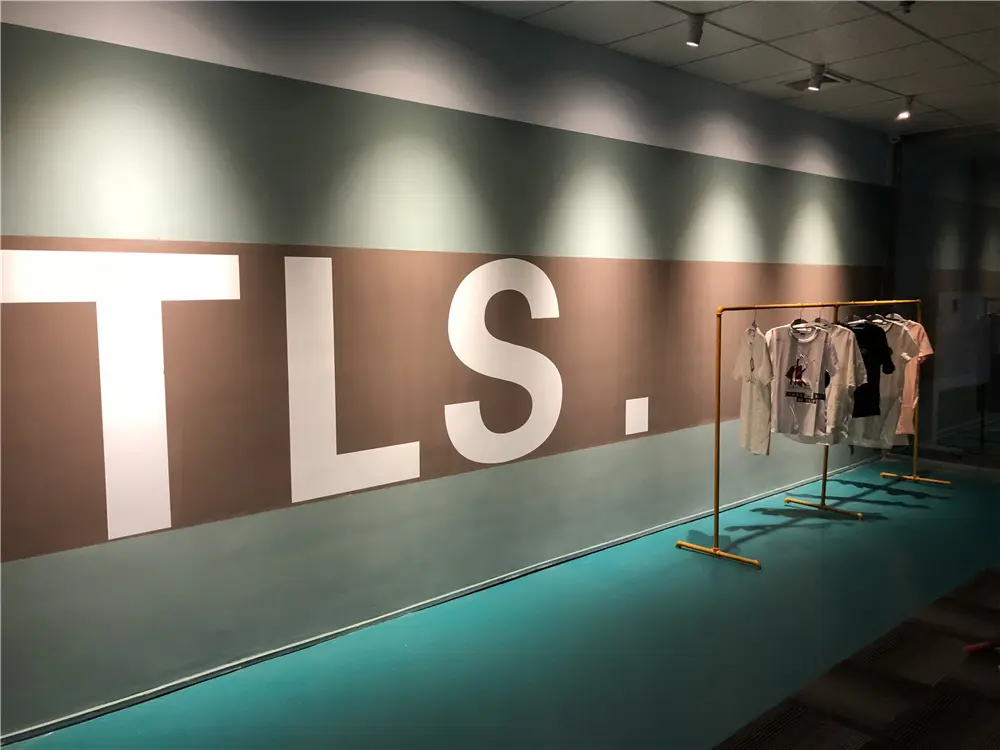
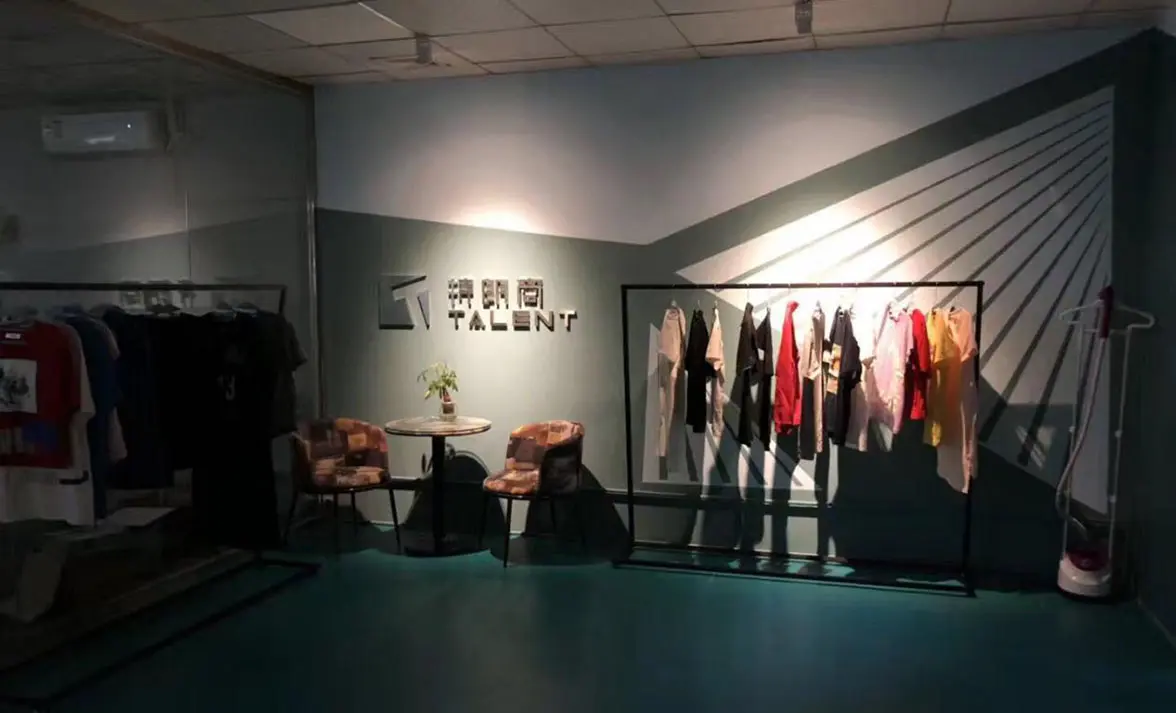
Our state-of-the-art facilities are equipped with the latest technology to ensure efficient production and high-quality output. We have made significant investments in infrastructure to create an enabling environment for innovation, research, and development. Designed to meet the highest industry standards, our facilities satisfy the complex, large-scale requirements of global garment exporters.
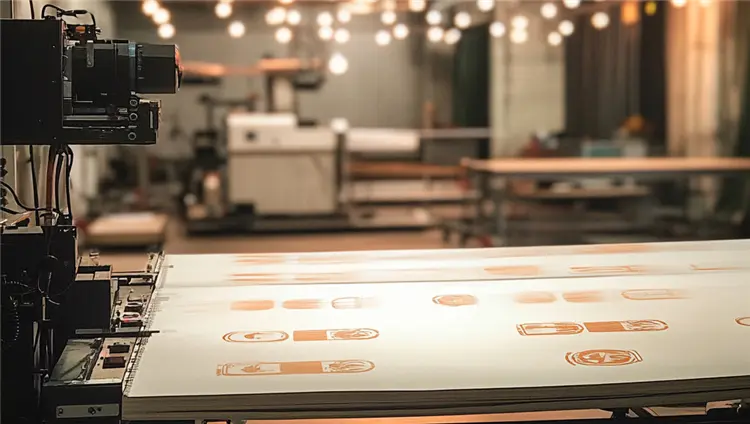
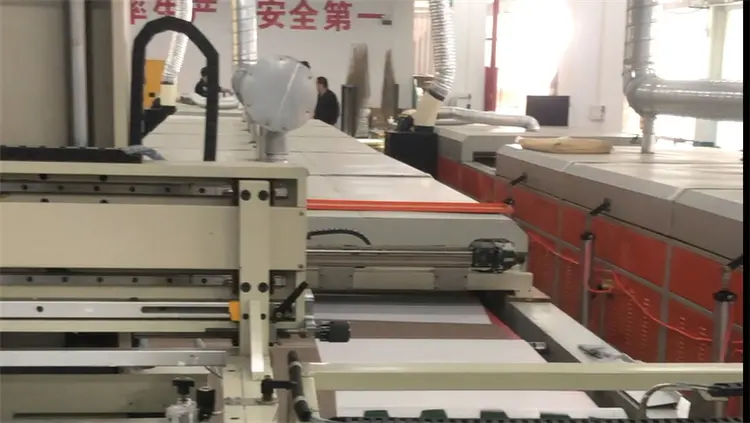
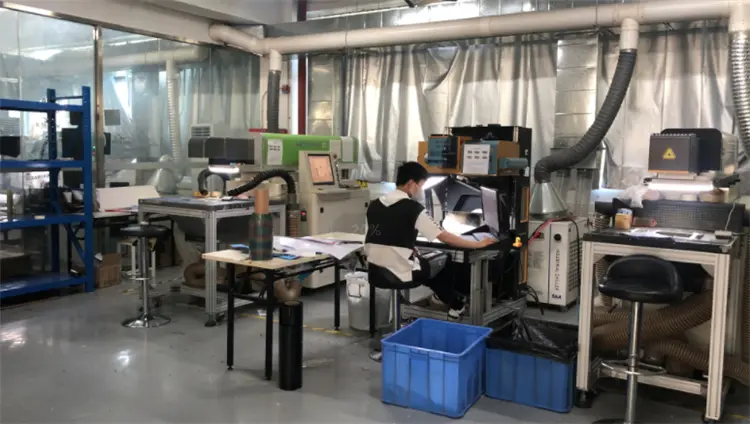
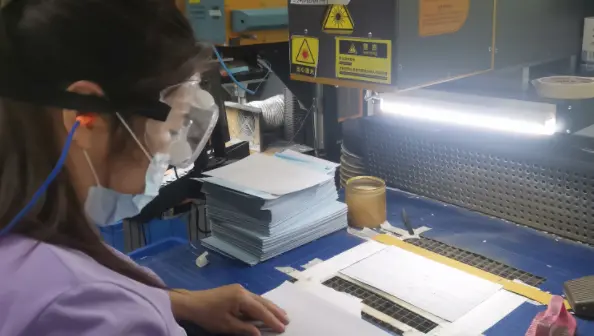
Analyzing performance requirements across various fashion verticals, consumer spaces, and geographic regions.
Embellishments behave differently depending on the fabric and environmental exposure. When configuring Glitter Puff Patches, buyers must tailor their technical requirements to the target market:
For activewear brands, patches must withstand continuous mechanical stretching and moisture. The internal micro-cellular foam layer must feature low-modulus elastomers that stretch and recover along with the knit pattern of the synthetic fabric. In cold climates (e.g., ski and snowboarding gear), the TPU film must retain its flexibility down to -20°C to prevent brittle cracking.
In luxury fashion and streetwear, brand designers demand clean edges and maximum loft height. For these applications, we utilize high-precision laser-cut designs that provide crisp vertical walls and a distinct, pronounced 3D effect. The glitter composition must be highly reflective and resistant to fading from natural light, keeping the brand mark sharp and vivid on retail displays.
Applying traditional patches to structured materials like baseball caps, heavy-duty backpacks, and travel bags is notoriously difficult. Our custom-formulated hot-melt backing activates at lower temperatures but with higher pressure parameters. This ensures strong adhesion to textured weaves like Cordura or canvas without causing thermal damage to the surrounding material.
The optimal settings depend on your substrate. For standard cotton and poly-cotton blends, we recommend applying a temperature of 140°C to 155°C (284°F to 311°F) for 12 to 15 seconds under medium-to-high pressure (3 to 4 bar). Always allow the carrier film to cool completely before peeling (cold peel) to ensure the adhesive cures securely.
We coat our glitter flakes in a protective, clear aliphatic polyurethane matrix. This locks each micro-particle into the patch structure, ensuring wash-fastness that exceeds standard international consumer testing protocols.
Yes. When applying transfers to sublimated fabrics, you must request our dye migration-proof formulation. This incorporates an activated carbon-infused barrier layer that blocks migrating polyester dyes from seeping into the patch, preventing color tinting.
All our transfer materials, including the puff agents, TPU carriers, glitters, and hot-melt adhesives, are strictly formulated to comply with OEKO-TEX Standard 100 and REACH requirements. They are free from heavy metals, PVC, and phthalates.
Because setup costs are associated with screen exposure and digital tool paths, our typical MOQ for custom productions is 500 pieces. However, we offer smaller runs during the prototyping phase to help brands finalize designs.
We combine strict raw material verification with online monitoring. Our automated machinery ensures that the thickness, expansion ratio, and color matching of our transfers remain within a tight +/-5% tolerance throughout the production run.
Explore our comprehensive range of specialized branding embellishments.
 TALENT Industrial