Explore our high-performance solutions engineered for demanding industrial textiles and custom designs.
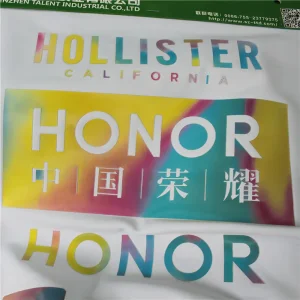
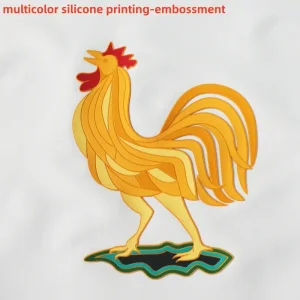
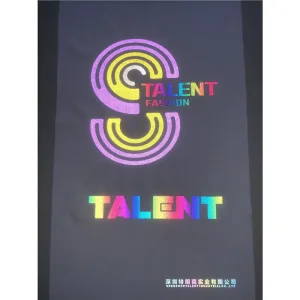
Dye migration—commonly referred to in the textile printing industry as sublimation—is the spontaneous transfer of dye molecules from synthetic fibers (mostly polyester, spandex, and nylon blended fabrics) into the heat-transferred emblem or patch. This phenomenon is activated during the heat-curing press application and continues to occur over time during storage, shipping, and routine washing cycles.
Disperse dyes used in polyester dyeing are thermoplastic. When exposed to heat during typical transfer processes (typically 130°C to 160°C), these dyes vaporize or solubilize, migrating through the adhesive layers of traditional patches. The result is a severe degradation of graphic aesthetics: pristine white transfers turn an unsightly shade of pink on red garments, or dull grey on dark navy blue polyesters.
To mitigate this hazard, advanced high-performance activewear brands and technical workwear manufacturers rely on Dye Migration-Proof Heat Transfer Patches. These specialized embellishments feature multi-tier barrier technology that completely isolates migrating pigments, ensuring razor-sharp visual clarity, vibrant color retention, and structural integrity across the lifespan of the garment.
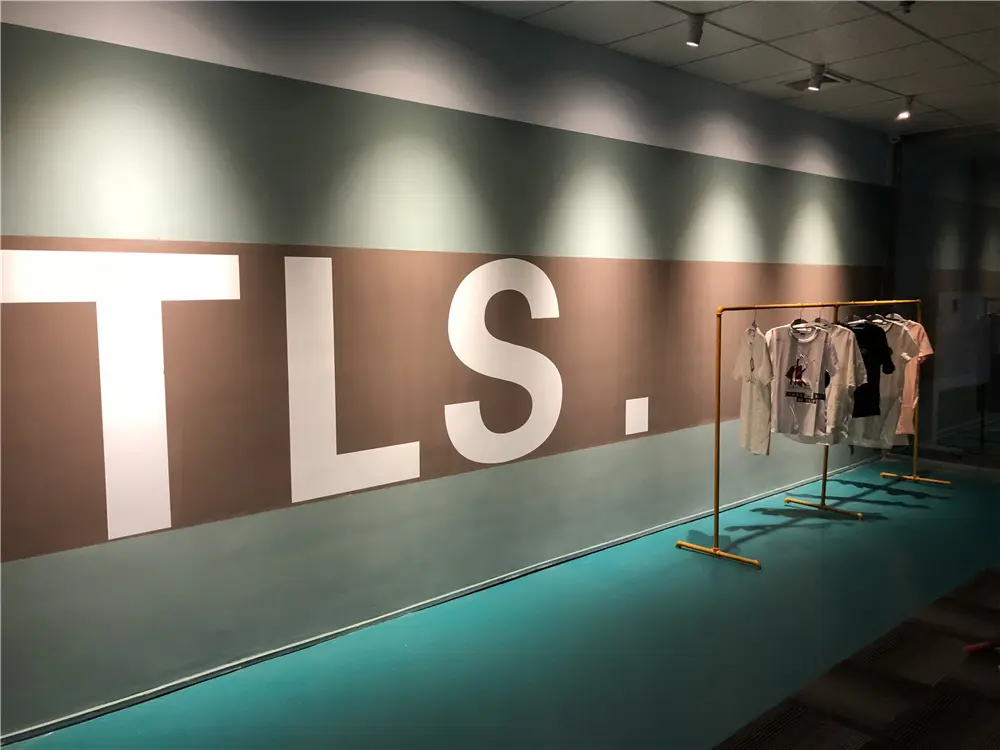
A trusted global industry leader with over a decade of research, innovation, and production expertise.
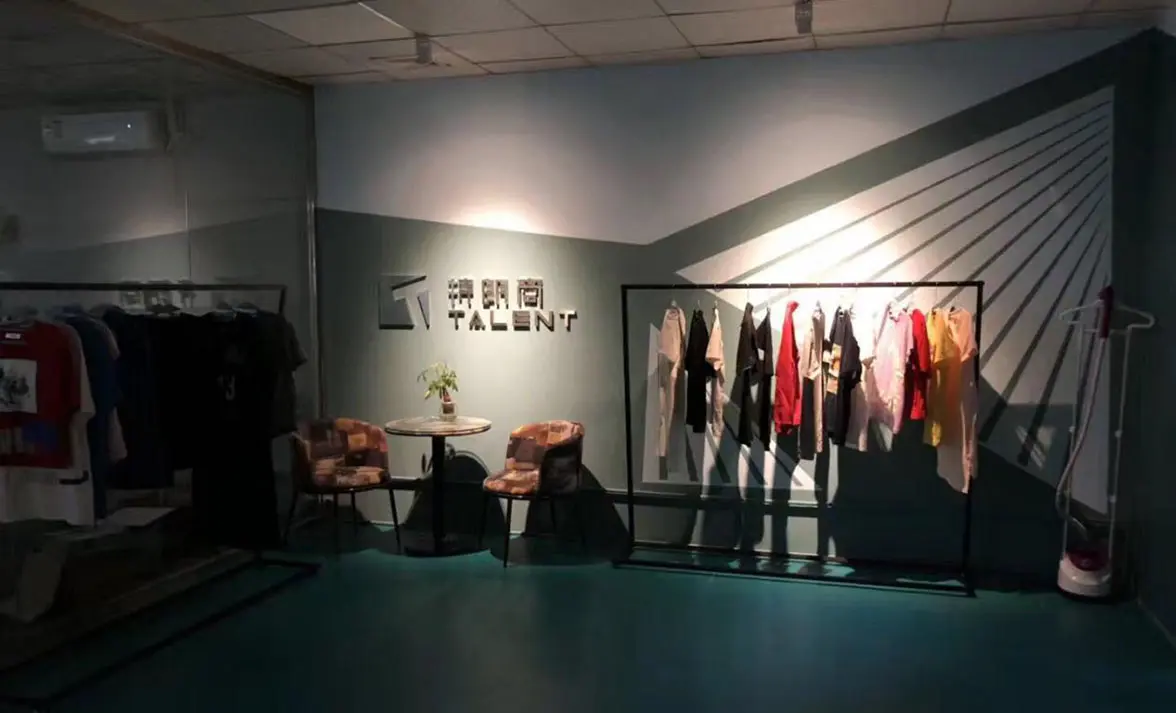
SZ Talent is a leading company with more than ten years of experience specializing in all kinds of heat transfer labels. Our comprehensive approach combines innovation, research and development, production, sales, processes and service. We are proud of our industrial automated production lines, dedicated team of technical experts and strong management system. Our focus remains on developing innovative, environmentally friendly, functional, and fashionable heat transfer products.
We adhere to the core values of quality-oriented, integrity-based, mutual benefit, promoting innovation and ensuring long-term development. Our efforts are always focused on meeting the needs of our customers.
SZ Talent is a well-known name in the industry, known for its commitment to quality, innovation and customer satisfaction. We attach great importance to research and development and continuously introduce cutting-edge products that meet the changing needs of the market. Our commitment to excellence makes us a trusted partner for businesses looking for high-quality thermal transfer labels.
Understanding how our high-precision barrier membranes halt volatile dye sublimation at the molecular level.
Our advanced patches feature an embedded layer of active carbonaceous compound. This micro-porous structure acts as a physical chemical trap, adsorbing sublimated gaseous dyestuffs before they can rise to the decorative face of the patch.
Utilizing high-density, cross-linked polyurethane (PU) barrier coatings, we establish a robust, low-permeability crystalline film. This layer withstands the intense shear force and heat during transfer application, acting as an impervious shield.
Standard hot-melt adhesives require high temps, increasing migration risks. Our proprietary adhesives activate at lower temps (110°C to 125°C), dramatically reducing thermal load and energy usage during application.
| Performance Indicator | Standard Heat Transfer Patches | SZ Talent Migration-Proof Patches | Testing Standards & Method |
|---|---|---|---|
| Dye Sublimation Resistance | Poor (Visible staining after 24 hrs) | Excellent (Grade 4-5 Color Fastness) | AATCC Method 163 / ISO 105-X12 |
| Washing Cycles Resistance | 20-25 cycles at 40°C | 50+ cycles at 60°C (Industrial Grade) | ISO 105-C06 / AATCC 61-2A |
| Thermal Pressing Temperature | 150°C - 165°C | 115°C - 130°C (Low Thermal Stress) | Direct Pneumatic Press Calibration |
| Elastic Elongation | <100% (Prone to cracking) | >250% (High stretch memory recovery) | ASTM D412 (Standard Tension Test) |
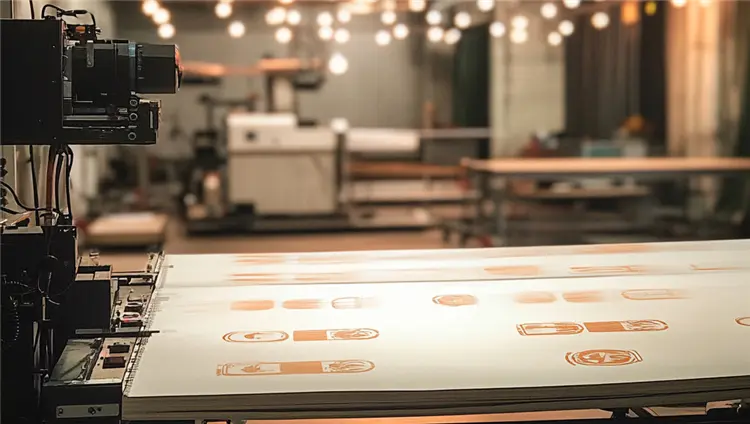
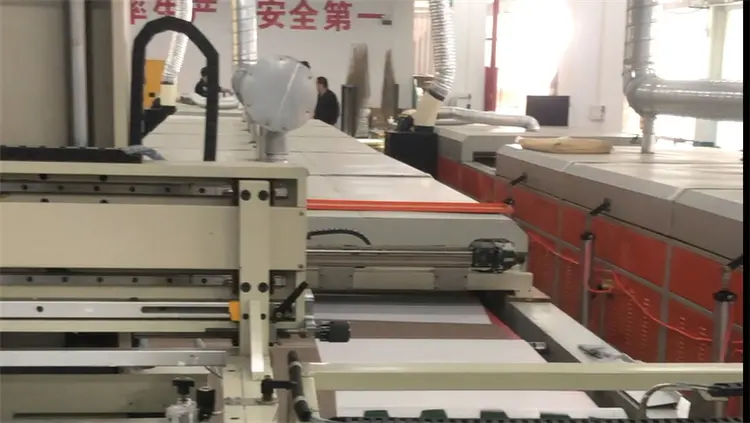
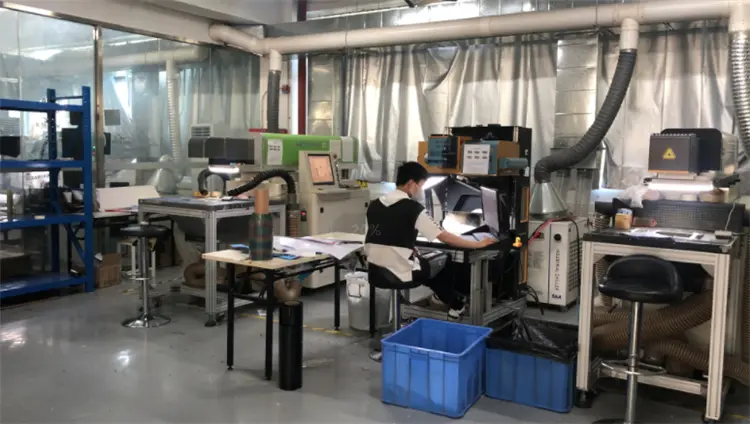
SZ Talent’s state-of-the-art facilities are equipped with the latest technology to ensure efficient production and high-quality output. We have made significant investments in infrastructure to create an enabling environment for innovation, research and development. Our facilities are designed to meet the highest industry standards and meet the diverse needs of our customers.
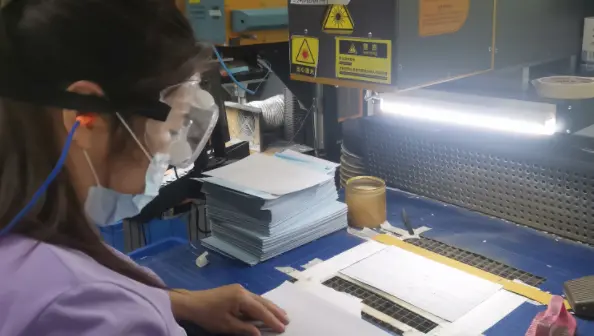
Our team is comprised of experienced professionals who are passionate about delivering exceptional service. We have a talented workforce dedicated to driving the company's growth and success. Our team members are committed to maintaining the highest quality and service standards, ensuring our customers receive the best solutions.
The demand for dye migration-proof technology is soaring globally, driven by two prominent textile shifts: the massive rise of recycled polyester (rPET) and the trend toward sublimated garments. Recycled polyester, owing to its unstable polymer chains and inconsistent heat histories, displays highly unpredictable dye migration tendencies. Traditional transfers applied on recycled materials suffer from rapid, severe discoloration.
For global exporters and garment brands, localized compliance is crucial. Standard print dyes contain phthalates, heavy metals, or alkylphenol ethoxylates (APEOs) which fail testing guidelines in the EU and North America. SZ Talent addresses these challenges by complying strictly with global regulations.
We leverage our localized network to offer swift technical consultation, customized sample runs, and compatibility validation across major manufacturing hubs in North America, Western Europe, Southeast Asia, and Central America.
Engineered to maintain contrast-rich, color-safe graphics on challenging technical synthetics.
Sublimated sportswear uses intense dispersed inks. Our barrier technology prevents dyes from bleeding into white player numbers, sponsor logos, or team crests, ensuring brilliant color retention.
Fluorescent yellow and orange polyester fabrics carry highly volatile color compounds. Our migration-proof patches keep reflective logos clean, maintaining high visibility standards.
Heavy softshells coated with DWR (Durable Water Repellent) present adhesion and migration challenges. Our low-temp activation glue adheres tightly without breaking down the repellent layer.
A look at how SZ Talent's R&D department is pioneering the future of clean, green heat transfer solutions.
By 2025, our goal is to migrate 80% of our blocker formulations from synthetic polyurethane composites to renewable, plant-derived bio-resins. This advancement will cut the carbon footprint of each patch by nearly 35% without compromising dye containment performance.
Our next-gen patches will integrate subtle micro-encapsulated thermal markers. During factory assembly, these elements temporarily change color to signal that optimal fusion temp and pressure have been achieved, ensuring perfect application quality every time.
Providing clear, science-backed answers to your dye migration and application challenges.
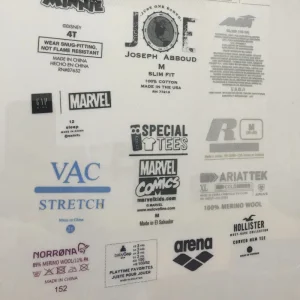
Complete your production runs with our certified specialty heat transfers.
 TALENT Industrial