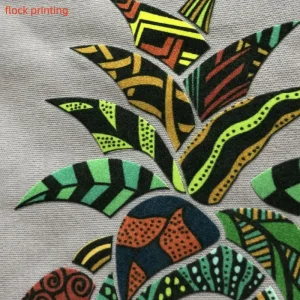
Explore our elite collection of barrier-protected heat transfers and interactive trim designs.
A deep dive into the chemical pathology of thermal transfer bleed-through and physical mitigation techniques.
Dye migration, widely designated in the industrial textile field as color contamination or dye bleed-through, is a physical-chemical pathology where disperse dye molecules sublimated within synthetic fibers (principally polyester, polyester-spandex, and sublimated blended fabrics) migrate into the decorative embellishment applied on the surface. During the thermal application process of heat transfer patches, the activation temperature of standard hot-melt adhesives (commonly ranging between 130°C to 160°C) triggers the re-sublimation and vaporization of disperse dyes. Due to their hydrophobic properties, these volatilized dyes dissolve within the polyurethane or plasticized components of traditional decorative patches, migrating outward to degrade the graphic aesthetics.
SEO Insight & Technical Actionability: Uncontrolled color migration compromises branding integrity. A white patch turning pink on a red sublimated shirt is the hallmark failure of standard elastomeric transfers. The solution requires a discrete physical barrier layer integrated at the substrate interface.
By implementing a multi-stage barrier technology, SZ Talent's Color-Contamination Proof Patches effectively arrest molecular dye transport. The dynamic system employs a composite material formula consisting of active carbon trapping agents, cross-linked polyurethane blockers, and specialized anti-migration inks that structurally repel disperse dye groups. This ensures long-term white levels and pure color fidelity over repeated high-temperature washing cycles and heavy industrial friction tests.
Combining automated production lines with rigorous testing controls for global brand compliance.
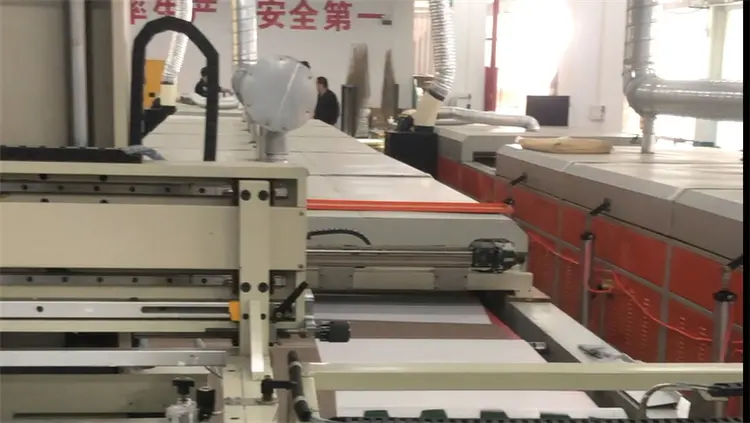
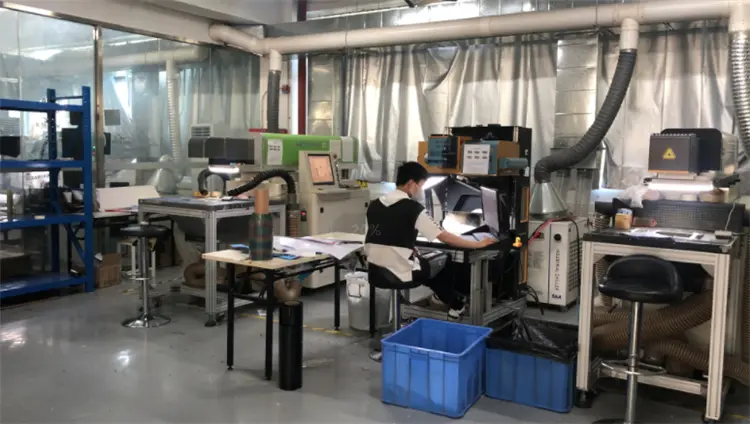
SZ Talent is a leading company with more than ten years of experience specializing in all kinds of heat transfer labels. Our comprehensive approach combines innovation, research and development, production, sales, processes and service. We are proud of our industrial automated production lines, dedicated team of technical experts and strong management system. Our focus remains on developing innovative, environmentally friendly, functional, and fashionable heat transfer products.
We adhere to the core values of quality-oriented, integrity-based, mutual benefit, promoting innovation and ensuring long-term development. Our efforts are always focused on meeting the needs of our customers. SZ Talent is a well-known name in the industry, known for its commitment to quality, innovation and customer satisfaction. We attach great importance to research and development and continuously introduce cutting-edge products that meet the changing needs of the market. Our commitment to excellence makes us a trusted partner for businesses looking for high-quality thermal transfer labels.
How our advanced chemical barrier stack blocks vaporized dye molecules from compromising cosmetic color fields.
| Layer Sequence | Material Composition | Primary Technical Mechanism | Thickness (Microns) |
|---|---|---|---|
| 1. High-Resolution Face Layer | Cross-linked Polyurethane / Silicone Dispersion | Resists surface abrasion, maintains color space accuracy (CMYK/Pantone), and delivers structural elasticity. | 80 - 120 μm |
| 2. Opacifying Pigment Layer | Titanium Dioxide (TiO2) Enriched Ink Matrix | Reflects ambient light to maximize brightness and ensures complete visual opacity. | 30 - 45 μm |
| 3. Activated Carbon Absorption Barrier | Micro-porous Carbon/TPU Hybrid Polymer | Adsorbs and traps vaporized disperse dyes within its internal porous network during thermal cure cycles. | 50 - 75 μm |
| 4. Chemical Block-out Layer | Fluorocarbon-modified Thermoplastic Polyurethane | Repels hydrophobic disperse dyes, creating a dense barrier against chemical solvent transmission. | 25 - 40 μm |
| 5. Ultra-low Temp Hot-Melt Adhesive | Modified Co-polyester/Co-polyamide Resin | Bonding agent designed to activate at sub-critical sublimation temperatures (115°C - 125°C), reducing dye gasification. | 60 - 80 μm |
The strategic advantages that enable SZ Talent to provide premium, cost-optimized anti-migration solutions globally.
Our proximity to premium chemical hubs in South China enables direct sourcing of high-grade thermoplastic elastomers, eco-friendly TPU, and advanced carbon barriers, reducing logistics overhead and material lead times.
Utilizing state-of-the-art roll-to-roll screen printing and automated CCD positioning systems ensures consistent layer thickness control within ±2 microns, maximizing batch-to-batch repeatability and reliability.
Our in-house QC laboratory conducts forced dye migration testing under high thermal strain (135°C under 4kg pressure for 30 seconds), alongside AATCC 163 and ISO 105-X12 tests, assuring zero defect escape rates.
Addressing modern apparel challenges, from recycled synthetic fabrics (rPET) to smart textiles.
With global athletic brands shifting to sustainable rPET substrates, dye migration issues have surged. Recycled synthetic fibers contain highly unstable polymer structures and variable dye uptake rates, leading to unpredictable dye mobilization. Standard heat transfers fail immediately on these fabrics. SZ Talent's low-temperature activation adhesives coupled with cross-linked block-out films provide the necessary stability to prevent rPET discoloration, enabling eco-friendly collections without compromising graphic quality.
Regulatory frameworks such as REACH and California Proposition 65 restrict the use of phthalates and organic solvents in apparel embellishments. Our R&D team has formulated water-based anti-migration systems that contain zero VOCs while matching the elongation performance of conventional TPU transfers. These eco-engineered solutions provide a safe, high-durability finish suitable for high-end fashion, athleisurewear, and children's apparel.
Macro Solution Deployment: For high-volume sports brands, we offer coordinated systems that combine anti-migration heat transfers with custom temperature-regulated heat press parameters. This holistic optimization minimizes substrate damage while ensuring full transfer adhesion.
Deepening our growth infrastructure to fulfill international high-volume orders.
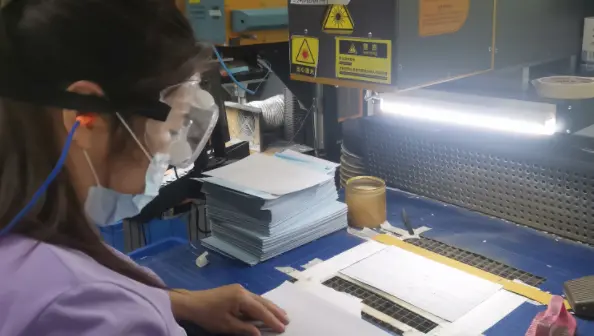
Our team is comprised of experienced professionals who are passionate about delivering exceptional service. We have a talented workforce dedicated to driving the company's growth and success. Our team members are committed to maintaining the highest quality and service standards, ensuring our customers receive the best solutions.
Over the years, we have experienced significant growth and expansion due to our unwavering commitment to excellence. We continuously invest in advanced technologies and processes to increase our production capabilities and meet our customers' growing needs. Our continued growth is a testament to our commitment to providing exceptional products and services.
Our state-of-the-art facilities are equipped with the latest technology to ensure efficient production and high-quality output. We have made significant investments in infrastructure to create an enabling environment for innovation, research and development. Our facilities are designed to meet the highest industry standards and meet the diverse needs of our customers.

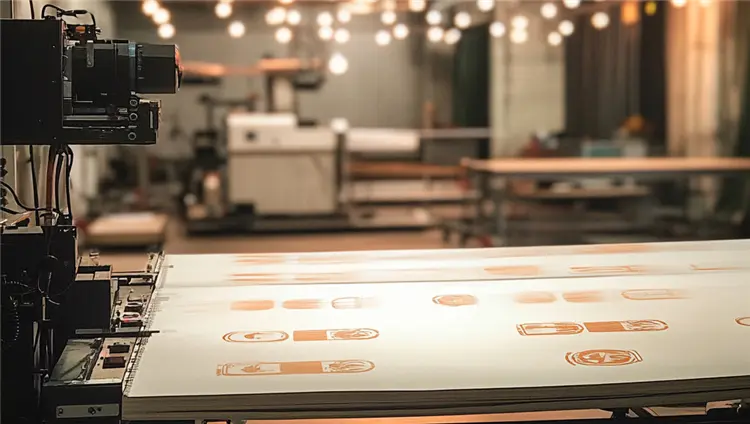
We recommend all clients conduct these physical tests prior to bulk rollouts to ensure substrate compatibility.
Heat-press the anti-migration patch onto the synthetic fabric. Place the bonded garment in a convection oven at 70°C for 72 hours. Check for any color bleed or halo effect around the edges. If white levels remain constant, the barrier layer is secure.
Expose the applied patch to secondary heat setting (such as industrial tunnel drying at 150°C for 2 minutes). Check if the barrier layer holds the dyes. This test simulates fabric post-processing typical in team sportswear fabrication.
Perform 50 wash cycles at 60°C with standard detergent, followed by tumble drying. The patch should show no signs of adhesive delamination, cracking, or color migration, maintaining structural bond integrity.
Addressing technical concerns, application parameters, and ordering procedures for bulk buyers.
Discover additional advanced embellishment formats from our automated production facility.
 TALENT Industrial