

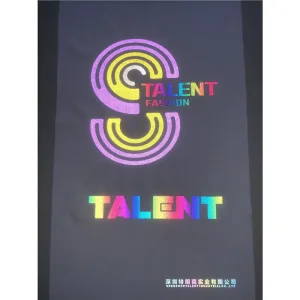
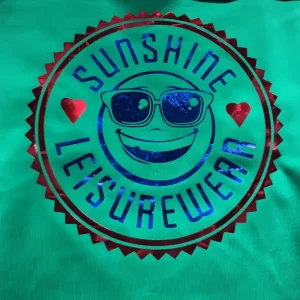
In modern industrial textile processing and performance apparel manufacturing, waterproof heat transfer labels have evolved from simple aesthetic branding elements to highly engineered functional components. Global markets are witnessing a dramatic surge in demand for branding solutions that can survive the harshest environments: marine exposure, heavy industrial laundry cycles, hyper-frequent wear-and-tear, and dynamic elasticity conditions.
Historically, traditional silk-screening, vinyl cutting, or low-cost transfer decals failed to satisfy the demands of dynamic stretch synthetic fabrics (such as Lycra, Spandex, and Neoprene). High water pressure, friction, and chemical detergents easily triggered delamination, color bleeding, or micro-cracking. Today, high-performance waterproof thermal labels utilize cross-linked polyurethane and medical-grade liquid silicone matrices to guarantee extreme adhesion, maintaining chemical stability even when exposed to continuous submersion and mechanical stress.
Synthetic fabrics like polyester are prone to dye migration when heat is applied. Our advanced transfers feature an activated carbon barrier layer that effectively intercepts sublimated dye molecules, guaranteeing absolute color stability and preventing color bleeding even on rich-pigmented activewear fabrics.
We construct our backing adhesives using customized waterborne polyurethane (WPU) dispersions. Under heat and pressure, these polymers cross-link with the fabric fibers, creating an airtight, waterproof seal that resists moisture penetration during prolonged aquatic usage and intensive laundering.
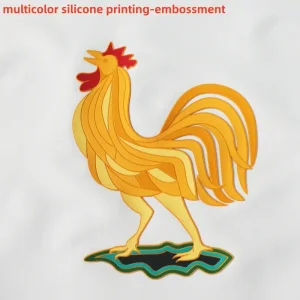
Liquid Silicone Rubber (LSR) molding technology provides high-profile dimension (up to 2mm thickness) alongside unmatched flexibility. These labels stretch up to 500% without structural failure or cracking, returning precisely to their original form—crucial for compression garments and outdoor gear.
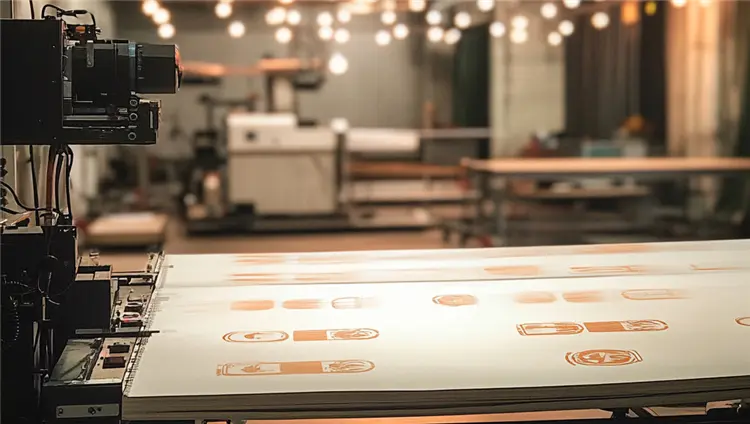
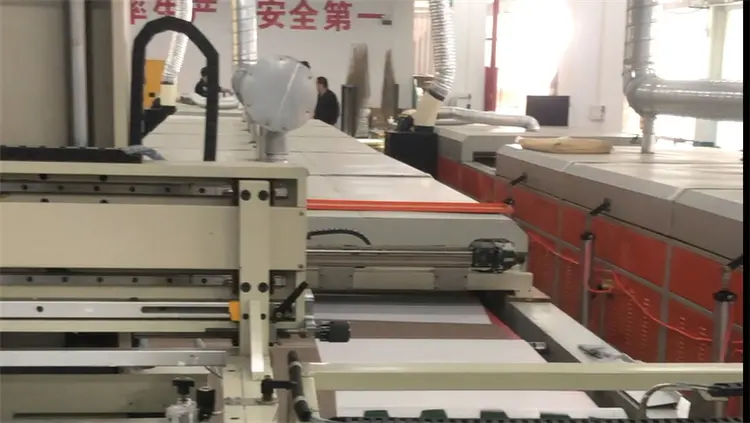
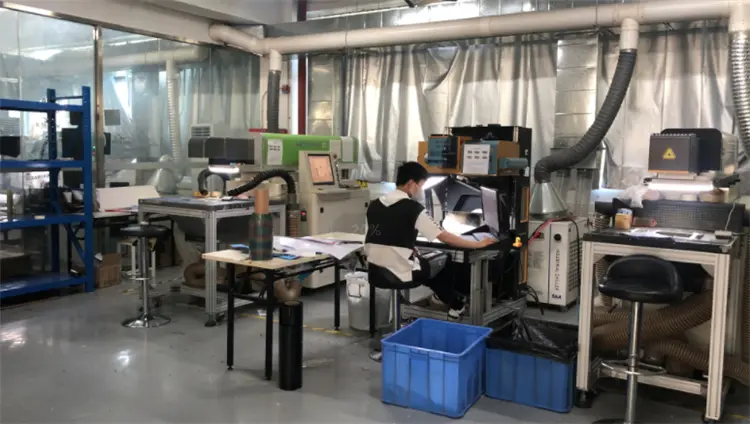
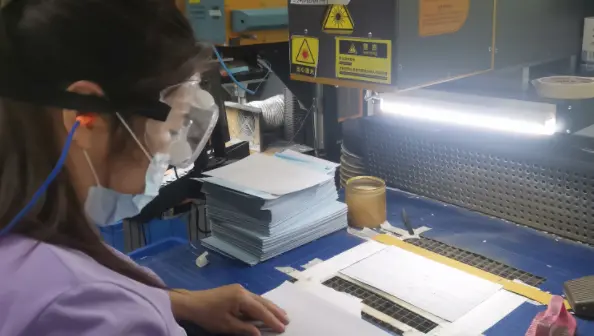
The landscape of thermal transfer label manufacturing has shifted dramatically toward precision automation. At our advanced Chinese manufacturing base, we combine automated roll-to-roll screen printing lines, computerized CCD optical inspection systems, and real-time tension controls. This setup ensures that every label batch achieves absolute mechanical uniformity.
This manufacturing model, aligned with Factory 4.0 principles, provides deep resilience against fluctuating raw material costs and labor constraints. By maintaining vertical integration—from polymer synthesis in our R&D labs to final die-cutting and shipping—we reduce lead times to a fraction of the industry average while offering cost efficiencies that other regional suppliers cannot match.
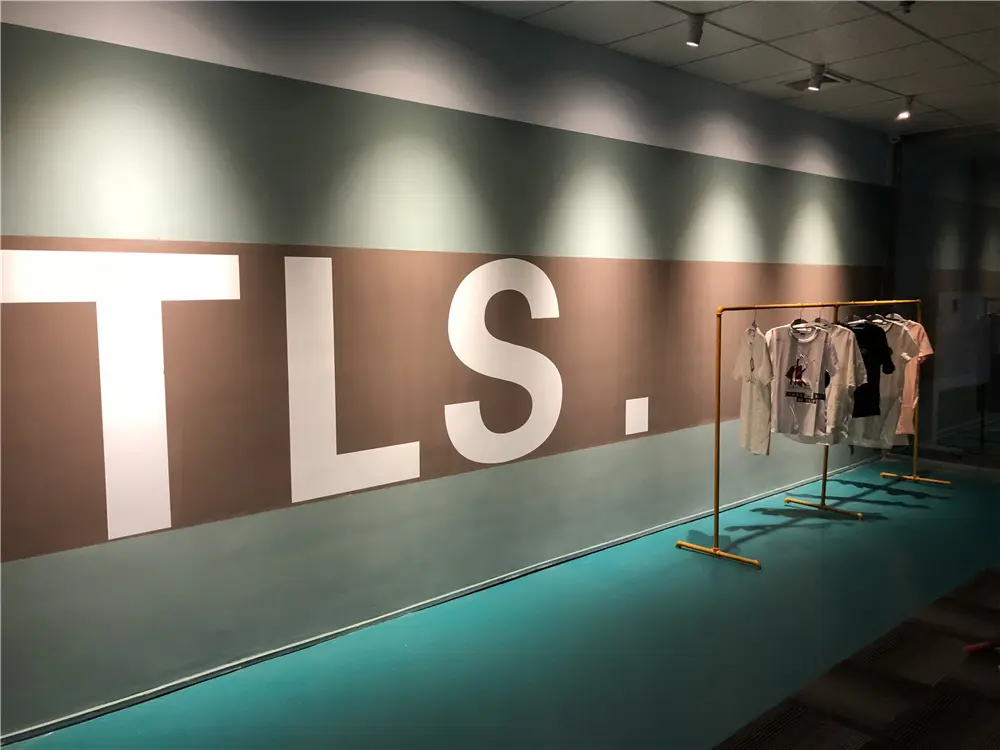
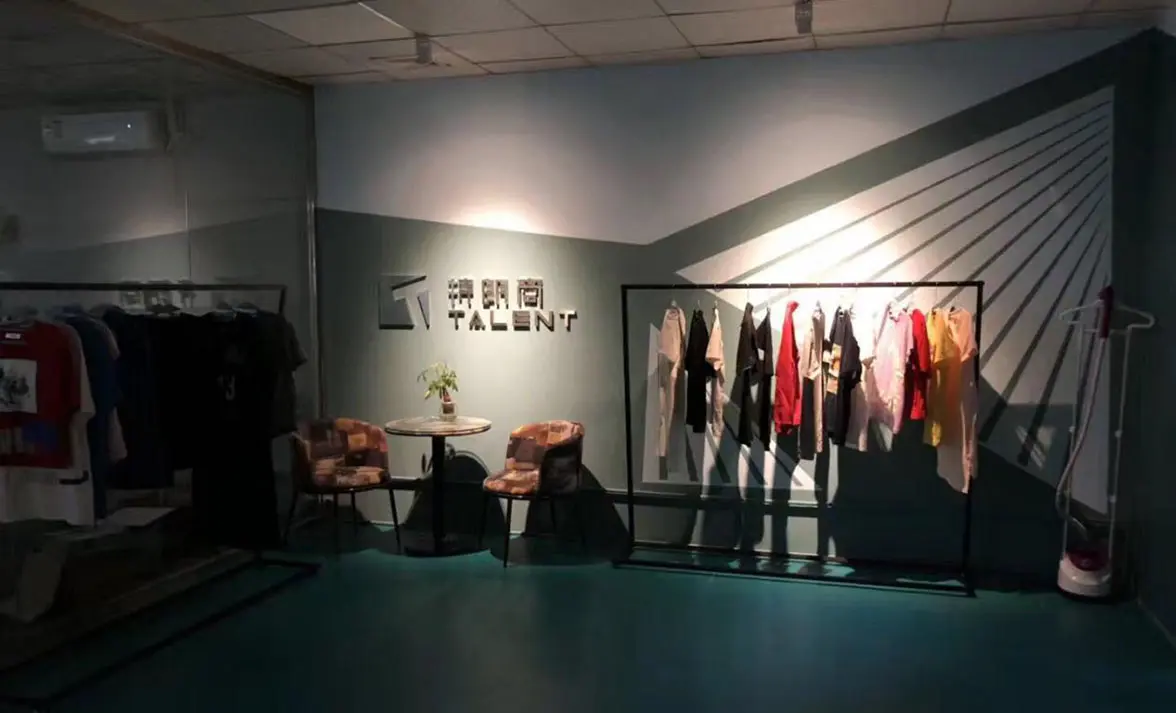
SZ Talent is a leading company with more than ten years of experience specializing in all kinds of heat transfer labels.
Our comprehensive approach combines innovation, research and development, production, sales, processes, and service. We are proud of our industrial automated production lines, dedicated team of technical experts, and strong management system. Our focus remains on developing innovative, environmentally friendly, functional, and fashionable heat transfer products.
We adhere to the core values of quality-oriented, integrity-based, mutual benefit, promoting innovation and ensuring long-term development. Our efforts are always focused on meeting the needs of our customers. Our state-of-the-art facilities are equipped with the latest technology to ensure efficient production and high-quality output. We continuously invest in advanced technologies and processes to increase our production capabilities and meet our customers' growing needs.
Over the years, we have experienced significant growth and expansion due to our commitment to excellence. We have made significant investments in infrastructure to create an enabling environment for innovation, research, and development, ensuring our facilities meet the highest global industry standards.
Thermal labels must perform under different real-world conditions. We optimize our material chemistry to meet these target scenarios:
Target: Neoprene wetsuits, rash guards, sailing gear.
Chemical Challenge: Saline oxidation, UV radiation, and high shear stress.
Solution: Silicone-based elastomers with UV blockers that resist salt-water degradation and maintain deep color saturation.
Target: Hard-shell GORE-TEX jackets, ski overalls, and windbreakers.
Chemical Challenge: Sub-zero temperatures, friction, and moisture barrier integrity.
Solution: Low-melt temperature adhesives that fuse below the thermal degradation threshold of functional waterproof membranes.
Target: Heavy-duty coveralls, medical scrubs, fire-retardant wear.
Chemical Challenge: Repeated exposure to 75°C hot wash cycles and high-alkali detergents.
Solution: Cross-linked hot-melt adhesive films that preserve logo clarity and text legibility across more than 50 industrial wash cycles.
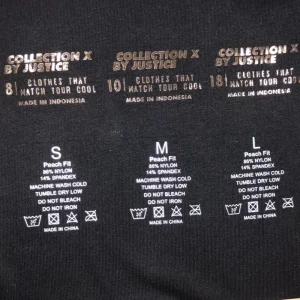
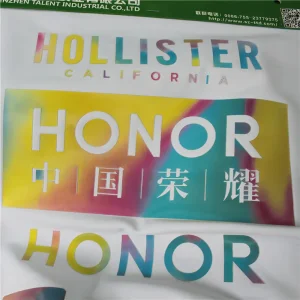
For brand managers and sourcing agents at large fashion and performance apparel brands, selecting a supplier goes beyond finding a low unit cost. Sourcing strategies focus on compliance safety, environmental certifications, and chemical safety rules (like REACH and California Proposition 65).
We verify product performance through standardized testing methods, including:
Simulating professional laundering up to 50 cycles at 60°C. We test labels for colorfastness, edge cracking, peeling, and dimension changes, ensuring they remain intact over the product lifecycle.
Class I certification guarantees our transfers are completely safe for direct skin contact, making them suitable for infants and toddlers. Our materials are free from lead, phthalates, and formaldehyde.
We use digital tensile testers to check that labels can stretch repeatedly alongside elastic fabrics without cracking or suffering permanent distortion.
Verifies the waterproof rating of heat-bonded areas. The seal prevents water penetration through the transfer print layer, maintaining dry conditions beneath.
 TALENT Industrial