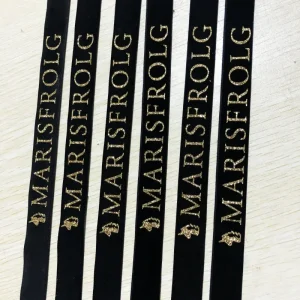
Explore our top-tier engineering prototypes, designed for extreme durability, active elasticity, and multi-tactile branding.



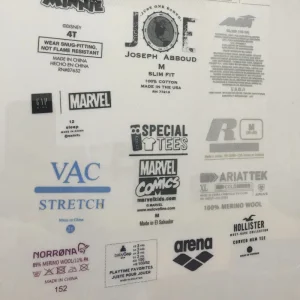
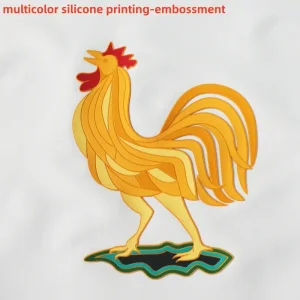
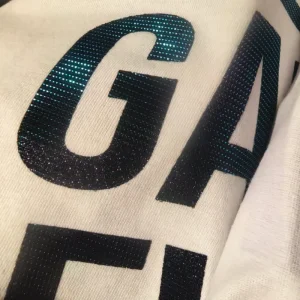
In the hyper-competitive global fashion, athletic, and safety apparel sectors, branding has transcended flat, two-dimensional graphics. Today's commercial markets demand physical interaction, micro-textures, and optical dynamic reactions that establish strong, direct tactile connections with the consumer. The global market for Special Effect Patches has evolved from simple woven identity labels into an advanced material science industry, integrating polymer chemistry, thermodynamics, optical micro-prisms, and computerized automation.
According to international textile trim supply chain research, the demand for specialized, functional embellishments (such as high-grip coatings, 3D molded silicones, and thermochromic heat transfers) is growing at a compound annual rate of over 7.4%. This expansion is driven by the rise of high-performance sportswear, smart tech uniforms, and luxury streetwear brands that utilize these tactile elements to counter counterfeiting and increase product value.
Exporters must maintain rigorous certifications like OEKO-TEX Standard 100, REACH, and CPSIA compliance, ensuring no heavy metals or phthalates migrate into user skin.
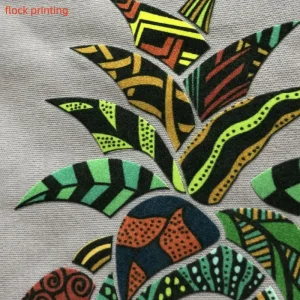
Consumers require physical feedback. 3D molding, foaming, and flocked textures provide a physical dimension that represents high-value retail branding.
Sourcing from reliable China suppliers guarantees automated line outputs, consistent dye lots, high wash-fastness, and low PPM defect rates.
For enterprise procurement officers, purchasing these items is no longer just a pricing decision. It requires an audit of the manufacturer's R&D capabilities, raw chemical inputs, machinery precision, and automated consistency. As leading exporters, Chinese factories have integrated vertical manufacturing pipelines—combining precision screen printing, laser-cut detailing, and silicone mold manufacturing under single quality control systems.
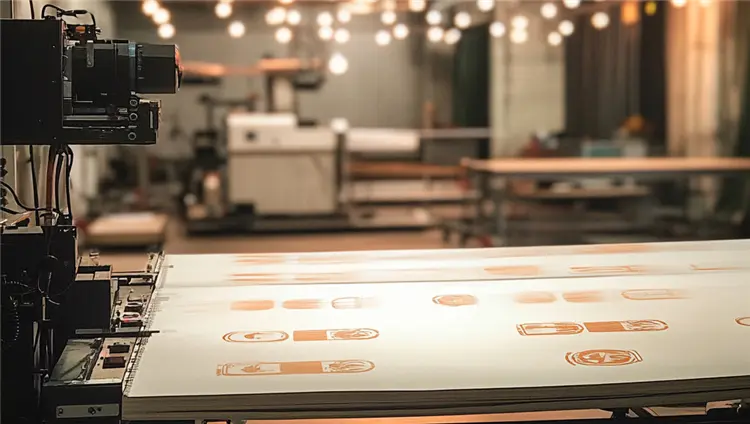
SZ Talent is a leading company with more than ten years of experience specializing in all kinds of heat transfer labels. Our comprehensive approach combines innovation, research and development, production, sales, processes and service. We are proud of our industrial automated production lines, dedicated team of technical experts and strong management system. Our focus remains on developing innovative, environmentally friendly, functional, and fashionable heat transfer products.
We adhere to the core values of quality-oriented, integrity-based, mutual benefit, promoting innovation and ensuring long-term development. Our efforts are always focused on meeting the needs of our customers.
SZ Talent is a well-known name in the industry, known for its commitment to quality, innovation and customer satisfaction. We attach great importance to research and development and continuously introduce cutting-edge products that meet the changing needs of the market. Our commitment to excellence makes us a trusted partner for businesses looking for high-quality thermal transfer labels.
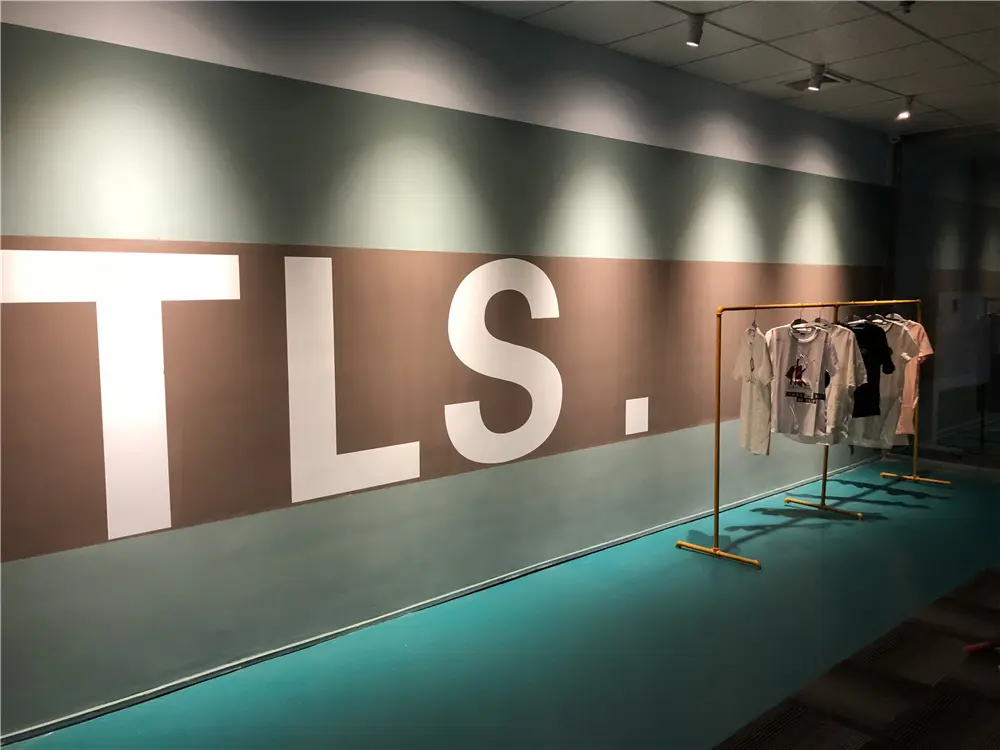
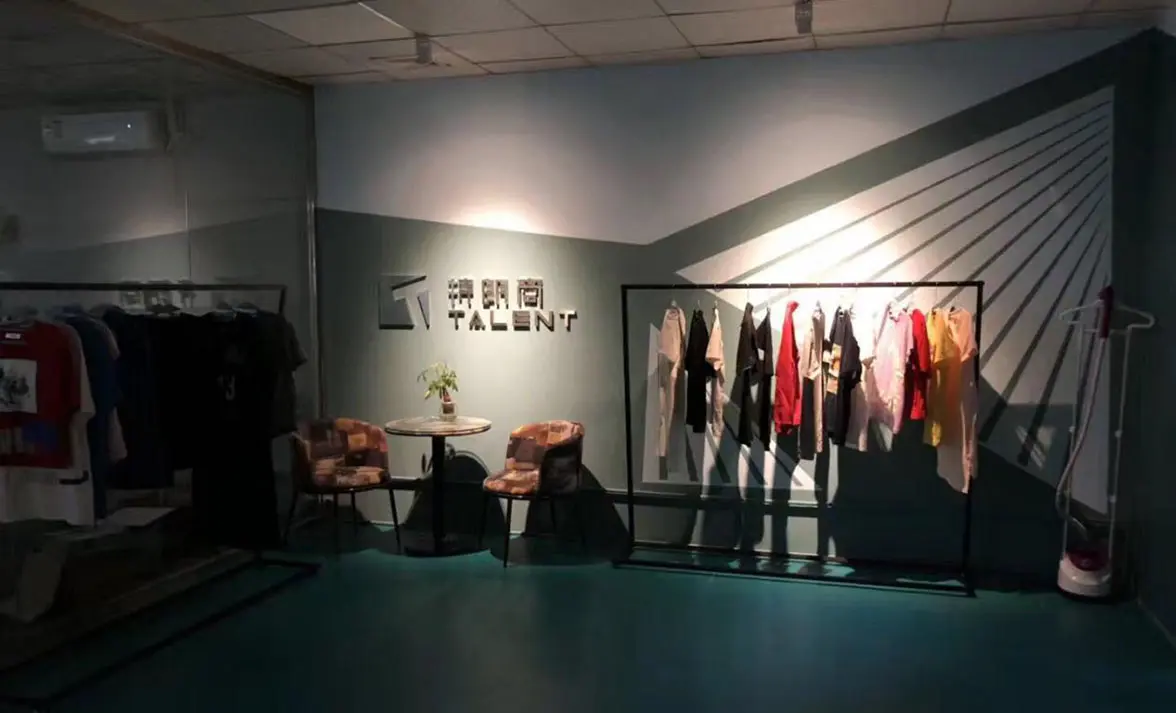
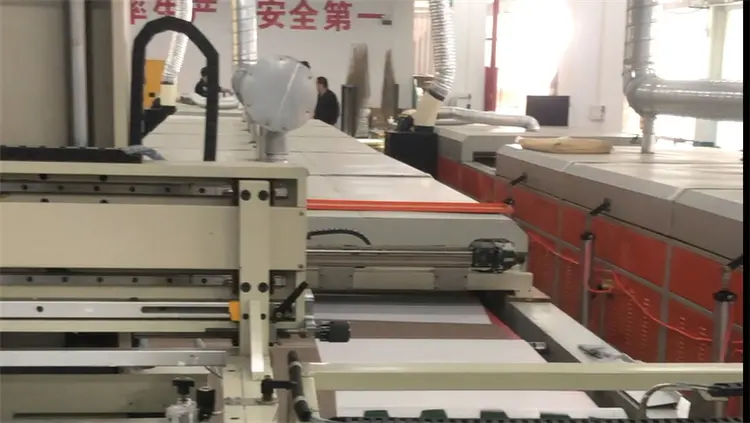
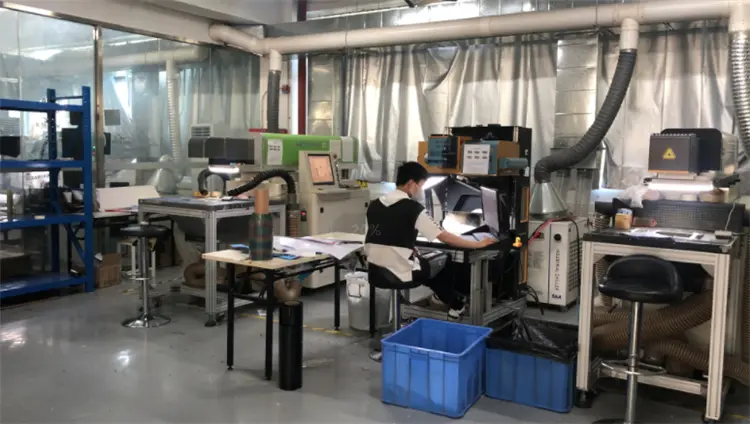
Our team is comprised of experienced professionals who are passionate about delivering exceptional service. We have a talented workforce dedicated to driving the company's growth and success. Our team members are committed to maintaining the highest quality and service standards, ensuring our customers receive the best solutions.
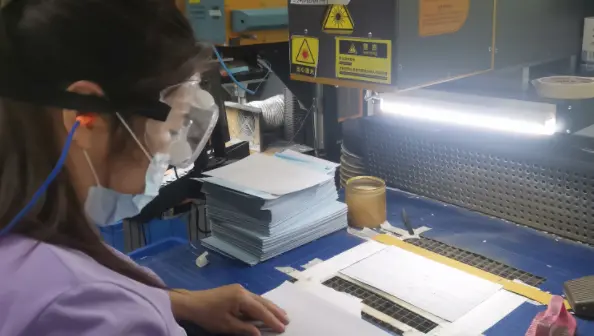
To source special effect labels at scale, procurement managers must evaluate the mechanical chemistry and raw material formulations of the patches. SZ Talent's engineering R&D division categorizes our specialized output into distinct material science classifications:
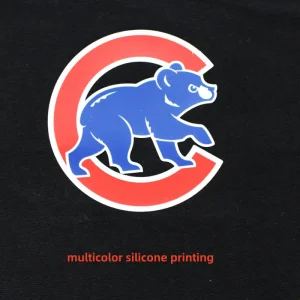
Unlike PVC, which contains high levels of plasticizers and chlorine, 3D Molded Silicone Patches are composed of eco-friendly, medical-grade, or food-safe liquid silicone rubber (LSR). These patches are molded using micro-injection steel cavities under high pressure (200 Bar) and temperature (180°C).
These smart, dynamic transfers utilize micro-encapsulated liquid crystals or leuco dye systems. The color changes are activated by either skin temperature or UV rays. For example, our thermochromic heat transfers change color when touched or during physical exercise, serving as an interactive branding element.
These complex patches combine digital sublimation, computer embroidery, laser engraving, and high-frequency polymer welding. These multi-process techniques create rich textures, blending soft fabrics with sharp, metallic, or reflective borders.
Standard heat-transfer adhesives often fail on heavy water-resistant textiles or siliconized technical wear. The Coating-Grip Heat Transfer Patch uses a specialized cross-linking polyurethane adhesive layer that binds to fabrics treated with durable water repellents (DWR) and silicone finishes.
Special effect trim technologies are applied differently across global regions, depending on local market demands, fashion trends, and climate conditions:
Focuses on high-stretch silicone branding, seamless neck sizing, and durability for high-intensity training gear. Products must withstand over 50 residential laundry cycles.
Prioritizes high aesthetic precision, clean laser lines, eco-friendly water-based inks, and unique textures like flocking and multi-process appliques.
Demands flame retardance, high-visibility reflective elements, and chemical-resistant adhesion to endure industrial laundering processes.
Sourcing from SZ Talent ensures these localized requirements are met. We adjust our adhesive formulas to match target fabrics—whether it's high-stretch elastane blends for yoga wear in North America, recycled polyester technical outerwear in Europe, or high-durability fabrics for Asian industrial teams.
Developing next-generation smart trims with a focus on environmental sustainability, digital connectivity, and advanced chemistry.
Transitioning production lines away from oil-based solvents. Using water-based carrier binders to reduce VOC emissions, achieving full compliance with Oeko-Tex Standard 100 Class I for baby clothing.
Developing thermopolyurethane (TPU) backings from plant-based starches. These bio-polymers naturally break down under compost conditions without releasing micro-plastic residue.
Embedding micro NFC and RFID chips inside waterproof 3D silicone patches. This allows consumer engagement, digital authentication, and trace-to-origin sustainability metrics.
Formulating adhesives that match the chemical base of the garment fabric, enabling mono-material garments that can be fully recycled without removing the trims.
To ensure stability over large shipments, procurement managers should implement these essential quality control tests when evaluating pre-production samples:
Verify compliance with ISO 6330 standards. Samples should withstand 50 wash cycles at 60°C without edge lifting, color bleeding, or cracking.
Evaluated using AATCC Method 8. The patch surface should resist color transfer to dry and wet white cotton cloths, achieving a rating of 4.0 or higher.
For high-elastane garments, the patch must stretch up to 150% and return to its original shape without cracking or leaving permanent wrinkles.
SZ Talent runs a full in-house testing program for all production runs, checking heat transfer, wash durability, and chemical safety. This ensures our patches perform reliably on the production line and during daily wear.
We address common technical inquiries from procurement, quality assurance, and design teams regarding special effect patches.
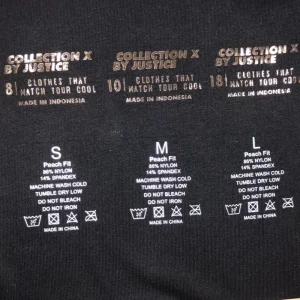
Discover our range of durable branding options, including high-frequency welding, velvet flocking, and seamless interior labels.
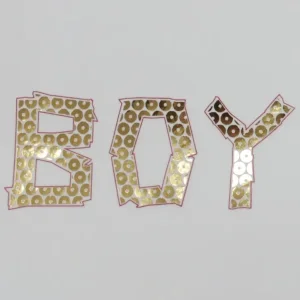
 TALENT Industrial