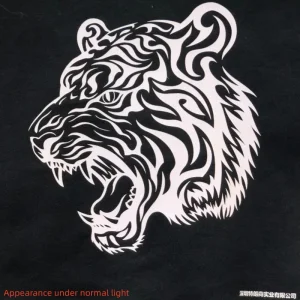
Engineered for durability, high visibility, and compliance with global activewear benchmarks.
Analyzing the global market dynamics, manufacturing technology, and procurement parameters for performance branding.
In the contemporary global apparel sector, branding is no longer limited to two-dimensional aesthetics. For athletic, outdoor, and high-visibility garments, branding has transitioned into a highly functional component of garment design. The emergence of reflective sportswear branding represents a crucial convergence of regulatory compliance, rider/runner safety, and premium brand alignment. Whether for elite marathon wear, nocturnal urban cycling kits, or specialized emergency services apparel, advanced thermal transfers have become the definitive solution for applying logos, emblems, and technical labels without compromising fabric stretch or durability.
By Utilizing retroreflective technology—primarily through micro-glass bead or micro-prismatic arrays—modern heat transfer elements capture ambient light and redirect it back to the emission source. This active feedback loop provides high-visibility safety in low-light environments, creating substantial information gain for safety compliance officers, garment technicians, and product developers seeking to combine performance engineering with sharp visual execution.
The global sportswear industry is experiencing a systemic shift toward technical functionality. The integration of reflective branding is fueled by the rise of urban commuting and outdoor activities. Regulatory frameworks such as the European standard EN ISO 20471 and the American National Standard for High-Visibility Safety Apparel (ANSI/ISEA 107) demand consistent retroreflectivity measurements. As a result, product developers must specify materials with certified retroreflective coefficients (expressed in $R_a$, measured in $cd/lx/m^2$).
At the same time, brands face pressure to deliver premium aesthetics. While historical safety apparel relied on simple, unrefined silver stripes, modern sportswear demands intricate, custom-molded brand marks, 3D embossed designs, and multi-tone reflective finishes. Consequently, specialized manufacturers like SZ Talent have developed specialized methodologies to ensure safety metrics coexist with brand guidelines.
Procurement directors and sourcing agents must evaluate a complex set of performance criteria when purchasing reflective sportswear labels. These metrics ensure that the branding remains intact and active throughout the garment's operational lifespan:
SZ Talent is a leading company with more than ten years of experience specializing in all kinds of heat transfer labels. Our comprehensive approach combines innovation, research and development, production, sales, processes and service. We are proud of our industrial automated production lines, dedicated team of technical experts and strong management system. Our focus remains on developing innovative, environmentally friendly, functional, and fashionable heat transfer products.
We adhere to the core values of quality-oriented, integrity-based, mutual benefit, promoting innovation and ensuring long-term development. Our efforts are always focused on meeting the needs of our customers. Our state-of-the-art facilities are equipped with the latest technology to ensure efficient production and high-quality output, delivering reliable, certified thermal branding elements worldwide.

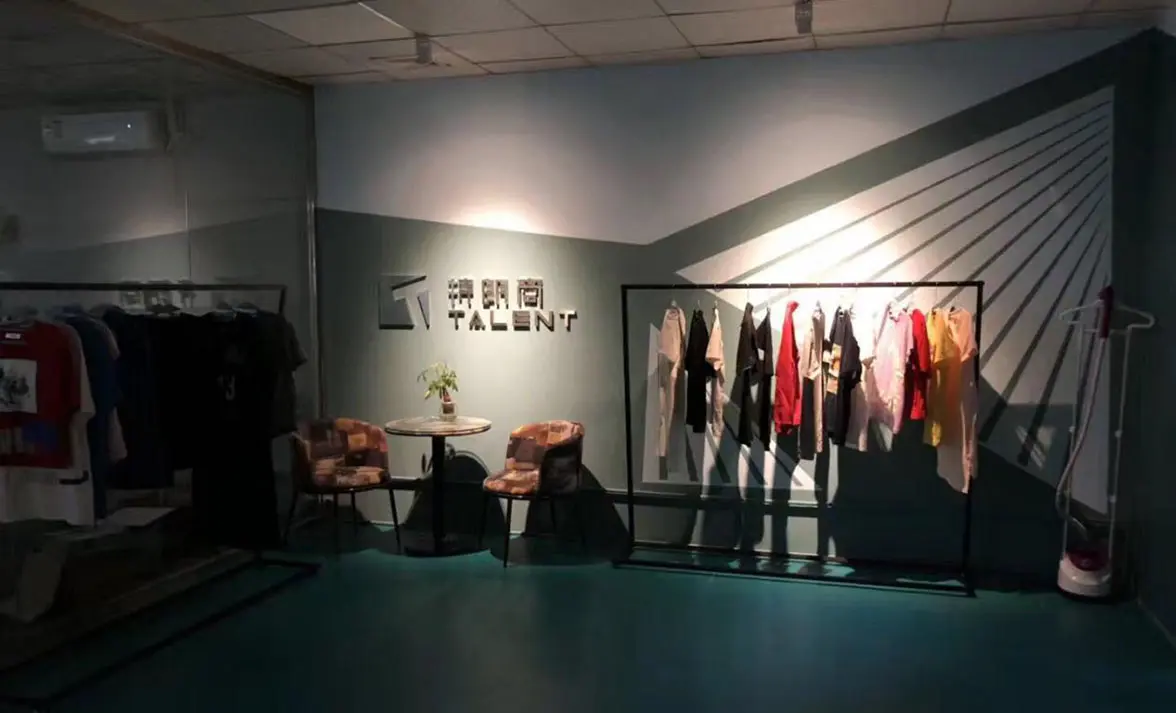

How automated production systems and digital workflows guarantee cost-efficiency and consistent quality.
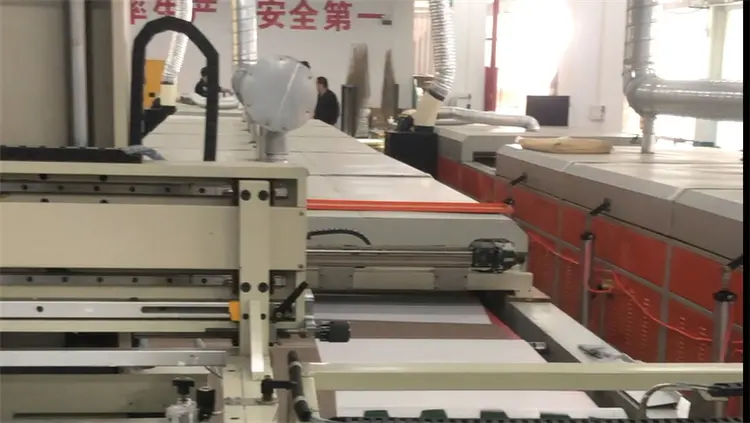
The manufacturing infrastructure at SZ Talent represents the modernization of China's industrial sector, commonly referred to as Factory 4.0. By moving away from manual screen printing and positioning, the facility operates roll-to-roll automated production lines. These setups integrate optical sensors and CCD camera alignment systems to achieve high-precision registration. This automated foundation delivers three major advantages for global clients:
Automated printing systems handle large volumes with minimal setup downtime, compressing standard sampling times to 3–5 days and shipping bulk orders within 10–14 days.
Inline quality monitoring catches defects before curing, maintaining defect rates below 0.05% across production runs.
High material utilization and reduced waste minimize production expenses, allowing SZ Talent to offer competitive pricing on premium reflective transfers.
This reliable supply chain model is backed by continuous investments in infrastructure, research, and development. SZ Talent maintains a technical lab focused on testing compatibility across dynamic fabrics, including water-repellent nylon, lightweight elastane, and coarse polyester knits. This technical diligence ensures the correct formulation of hot-melt adhesive layers for each specific fabric type.
Selecting the correct heat transfer formulation based on fabric chemistry and end-user environment.

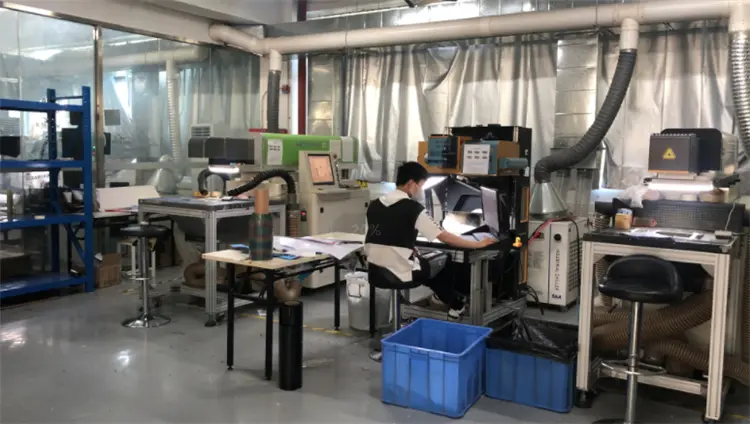

An overview of standard industrial pricing tiers based on materials, volume, and customization techniques.
Pricing for custom thermal transfers is determined by four key factors: total print surface area, complexity of the technique, volume of the order, and the number of colors/layers required. Below is a pricing framework outlining baseline costs for custom projects:
Note: The pricing detailed above serves as a baseline estimate. Individual project prices vary depending on artwork detail, overall dimensions, shipping terms (FOB, CIF, DDP), and packaging specifications. Custom volume discounts are available for contract partnerships exceeding 50,000 units.
Technical answers to key questions about modern apparel heat transfer technology.
Explore specialized branding solutions designed for performance apparel and active wear.
 TALENT Industrial