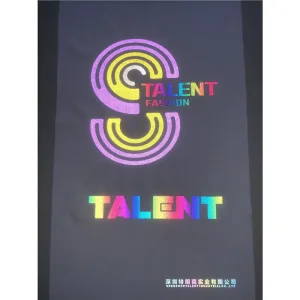
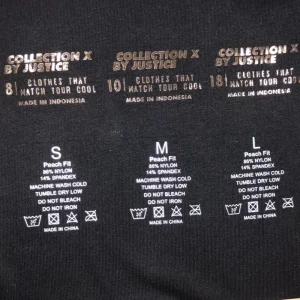
Explore our flagship industrial-grade thermal transfer labels engineered for quick lead times, extreme wash resistance, and high-performance technical fabrics.
In the contemporary fast-fashion, sportswear, and performance outerwear sectors, "Time to Market" has evolved from a operational efficiency metric to a critical growth factor. Global apparel supply chains operating in high-demand markets like North America, Western Europe, and Asia-Pacific face structural volatility. Seasonal cycles have collapsed into continuous micro-seasons, demanding instant inventory adaptation. Consequently, procurement heads prioritize heat transfer suppliers that offer optimized production lead times without compromising structural integrity or visual accuracy.
Strategic sourcing managers identify the bottleneck: labeling and branding application. Traditional embellishment techniques like direct embroidery or screen printing demand long setup stages, high manual labor inputs, and slow design revision cycles. In contrast, advanced multi-technique heat transfers bypass these constraints. Yet, the bottleneck often shifts to the exporter's lead time—a metric governed by production throughput, chemical curing schedules, and customs logistics.
Information Gain: Lead time latency in labeling directly impacts bulk apparel release cycles. While typical production delays in garment manufacturing average 3-4 weeks, optimized heat transfer development cycles must be compressed to 5-7 working days to align with agile, on-demand supply chain configurations.
For industrial workwear, sportswear, and luxury apparel exporters, selecting the correct heat transfer partner requires analyzing more than unit cost. It requires evaluating the manufacturer's automation infrastructure, raw material reserves, geographic location, and logistics networks. These variables dictate whether a supplier can support tight release timelines during peak sales seasons.
To eliminate lead-time drag, international exporters are adopting vertical integration models. Historically, designing, formulating chemical adhesives, coating carriers, and processing 3D molded details occurred across distinct subcontractors. This fragmented setup created communication lag, inconsistent quality control, and shipping delays.
SZ Talent has addressed these issues by implementing a unified design-to-delivery lifecycle. Our industrial automation architecture coordinates digital pre-press workflows directly with physical output queues. This integration allows automated optical alignment cameras, computerized silk-screen equipment, and high-capacity heating ovens to operate concurrently. As a result, lead times for high-demand lines—such as reflective color-shift films and multi-process custom appliques—have decreased by 35% compared to conventional manufacturing frameworks.
Direct CAD-to-Print processing eliminates manual screen setups for validation samples, cutting initial prototyping cycles down to 48 hours.
Our forced-air convection and infrared drying lines decrease stabilization times for heavy silicone coats and adhesive backings from 24 hours to 90 minutes.
Inline spectral colorimeters and mechanical wash-testing stations run concurrently with production, preventing post-batch defect delays.
Furthermore, our raw material supply chains rely on pre-allocated reserves of specialty polymers, thermosetting polyurethane (TPU) adhesives, and carrier films. By keeping critical materials in stock, we shield production runs from raw-material shortages, ensuring consistent lead times even during seasonal demand spikes.
The reliability of a heat transfer label depends on its chemical design. In performance apparel, labels must withstand stretching, friction, washing chemicals, and temperature fluctuations. At SZ Talent, we study the physics of adhesion on technical substrates, specifically focusing on low-surface-energy synthetics like DWR-coated nylon, composite polyester blends, and high-elasticity spandex.
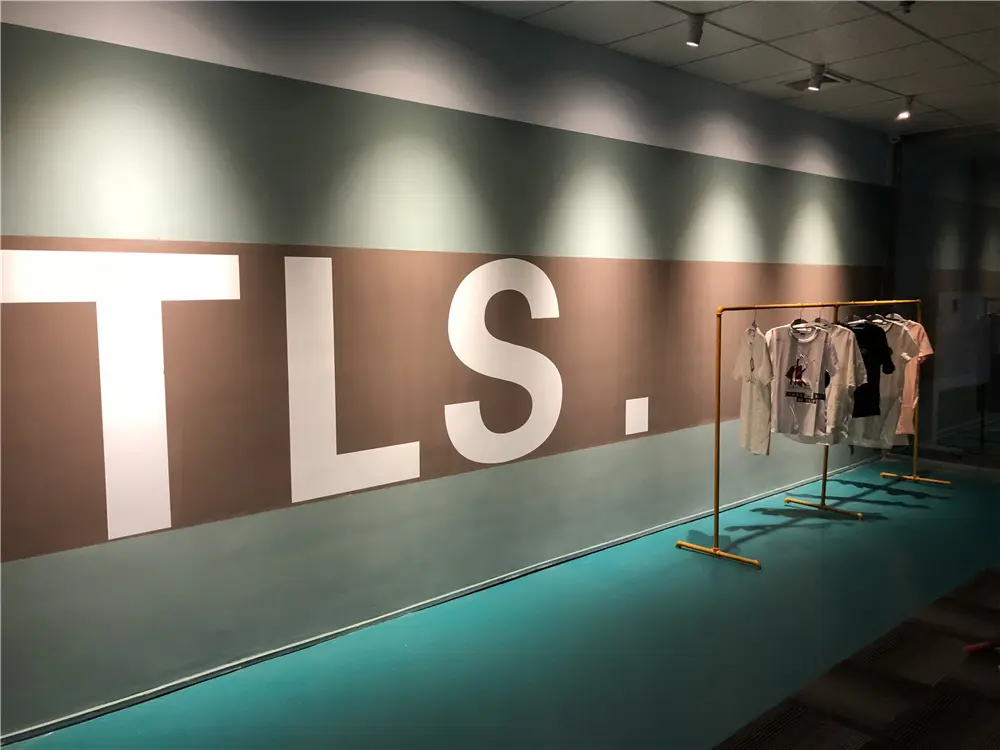
Our material roadmap prioritizes cross-linked polymer networks that activate at lower application temperatures (120°C - 140°C). This low-temperature activation is vital for technical fabrics, as high heat can cause fabric bruising, dye migration, or melting. Our specialized barrier layers block migrating dye molecules from the garment base, preventing white or light-colored transfers from taking on the color of the underlying polyester fabric.
| Transfer Technology Type | Substrate Compatibility | Standard Sample Lead Time | Bulk Production (10k units) | Key Performance Attribute |
|---|---|---|---|---|
| 3D Molded Silicone Patches | Polyester, Nylon, Canvas, Cotton Blends | 3 - 4 Days | 5 - 7 Days | Extreme Durability High dimensional profile, eco-friendly. |
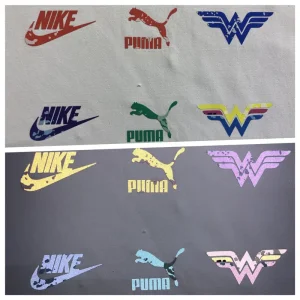
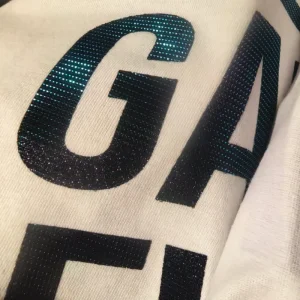
| Color-Shift Reflective Transfers | Activewear, Spandex, Technical Outerwear | 2 - 3 Days | 5 - 6 Days | Optical Brilliance High candlepower reflectivity, multi-angle shifts. |
| Coating-Grip Waterproof Patches | DWR Treated Fabrics, TPU Laminates, PU Shells | 3 Days | 6 - 7 Days | Heavy-Duty Bond High-peel adhesion on treated technical fabrics. |
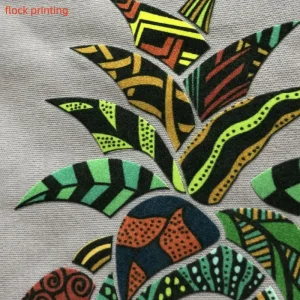
| Flocked Heat Transfers | Luxury Fashion, Cotton Fleece, Knitwear | 2 - 3 Days | 4 - 5 Days | Velvety Texture High fiber density, strong wash resistance. |
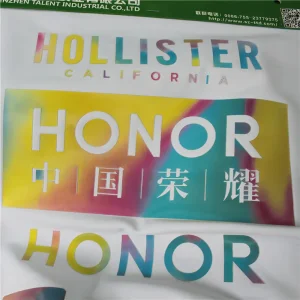
| Lenticular & Multi-Technique Films | Streetwear, Graphic Apparel, Footwear | 4 Days | 7 - 8 Days | Dynamic Graphics 3D depth effect with multi-angle imagery. |
To support sustainable manufacturing, our R&D team works with water-based polyurethane chemistry and solvent-free hotmelt adhesives. These systems comply with strict environmental requirements while maintaining the high peel-strength and flex-life required by major global sports brands.
Looking ahead, the heat transfer industry is moving toward hybrid digital-analog systems. Traditional screen printing delivers excellent thickness and opacity but requires physical plates and setup times. Digital printing allows for fast setup and multi-color detail but can lack mechanical resistance and physical texture. By combining these methods, we print the base design digitally and add the backing and adhesive layers using automated screen lines. This hybrid process minimizes setup times and shortens production schedules.
In addition, smart labels containing thin RFID or NFC antennas are becoming common in retail logistics. These components are embedded directly within our 3D silicone and TPU transfers. Here, the challenge lies in protecting the electronics from the heat and pressure of the application process. Our engineering department uses low-temperature thermal curing techniques to protect these components during production and application.
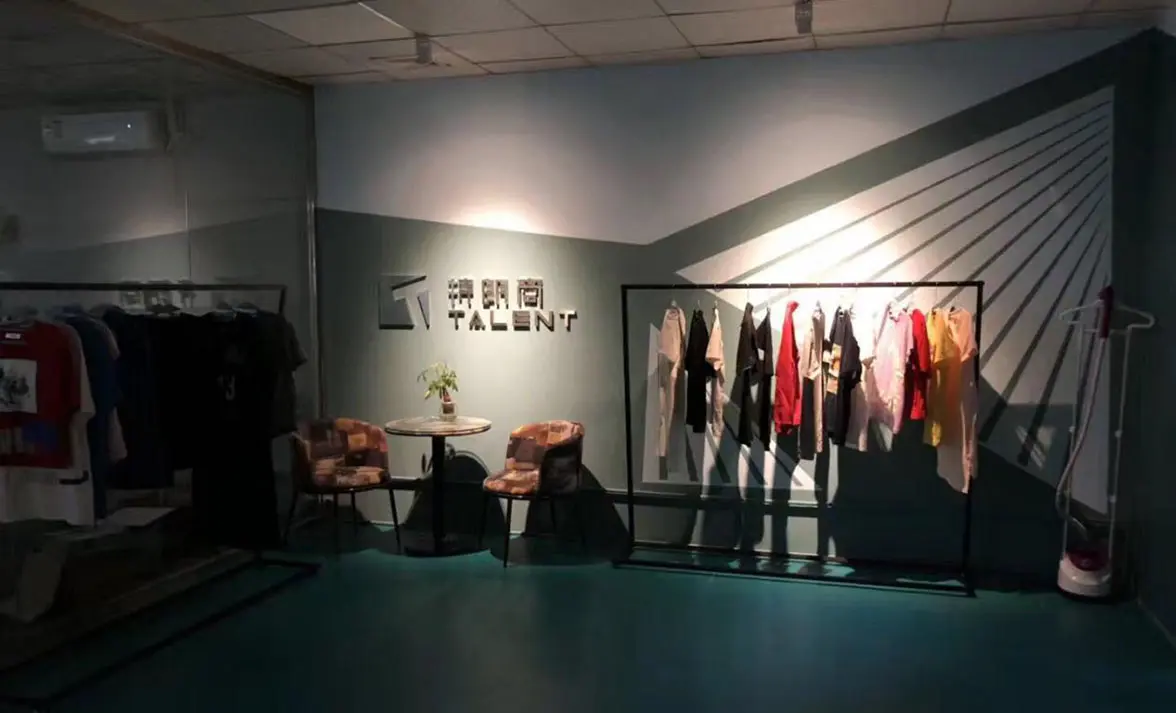
By investing in these technical updates, SZ Talent ensures brands can quickly transition from design verification to full-scale production. This agile process helps brands keep up with consumer trends and reduce inventory waste.
Working in international markets requires navigating local customs rules and product safety regulations. Exporters must ensure their materials comply with standards like the European Union's REACH directive, North America's CPSIA safety standards, and global environmental certifications like the OEKO-TEX Standard 100.
SZ Talent operates under a strict compliance model. Every batch of ink, silicone, carrier sheet, and hotmelt adhesive is documented for chemical safety. This traceability guarantees that our transfers can be safely used on close-contact garments like infant wear, performance base layers, and medical textiles. By using certified, clean raw materials, we help clients avoid regulatory hold-ups at international border crossings.
In addition, we coordinate with regional logistics hubs to simplify customs procedures. Our logistics department manages shipping documents, HS codes, and preferential trade certifications. This administrative support reduces transit times, ensuring shipments arrive promptly at destination factories in Central America, Southeast Asia, or Eastern Europe.
Understanding cost structures is essential for volume buyers and sourcing managers. The cost of a heat transfer project depends on several key design and production parameters: physical dimensions, the number of colors, the choice of materials (such as standard TPU versus premium silicone), and the total volume ordered.
We use a tiered pricing structure that rewards high-volume commits with lower per-unit rates. Below is a pricing guide for our standard production runs. This framework helps sourcing teams calculate landed costs and evaluate budgets for seasonal lines.
| Product Category | Standard Size (Area) | MOQ (pcs) | Tier 1: 5k-10k pcs | Tier 2: 10k-50k pcs | Tier 3: 50k+ pcs | Typical Tooling/Mold Cost |
|---|---|---|---|---|---|---|
| 3D Silicone Patches | 50mm x 50mm | 1,000 | $0.25 - $0.35 | $0.18 - $0.24 | $0.12 - $0.16 | $60 - $80 (One-time) |
| Color-Shift Reflective | 60mm x 60mm | 2,000 | $0.22 - $0.28 | $0.15 - $0.20 | $0.09 - $0.13 | $0 (Vector Setup Only) |
| Coating-Grip Waterproof Patches | 40mm x 40mm | 1,500 | $0.28 - $0.38 | $0.20 - $0.26 | $0.14 - $0.18 | $50 (Specialist Tooling) |
| Seamless Neck Size Labels | 30mm x 30mm | 5,000 | $0.04 - $0.06 | $0.02 - $0.03 | $0.015 - $0.02 | $0 (Digital Setup Free) |
| Holographic & Lenticular 3D | 70mm x 70mm | 2,000 | $0.45 - $0.55 | $0.35 - $0.42 | $0.25 - $0.30 | $120 - $150 (3D Master Mold) |
By optimizing setup processes and maintaining large stocks of key raw materials, we avoid charging extra for rushed setups. Sourcing teams can request quotes directly through our regional offices, receiving complete estimates including freight rates and customs duties within 24 hours.
SZ Talent is a leading provider of thermal transfer technologies, bringing over ten years of specialized experience to global clothing brands, workwear suppliers, and technical textile manufacturers. Our manufacturing model integrates research and development, physical production, quality control, sales, and global support.
We operate automated production lines managed by a dedicated team of technical experts. We focus on developing eco-friendly, durable, and creative heat transfer labels that help our customers stand out in competitive markets.
We work under a core value system: prioritizing quality, maintaining reliable business practices, and pursuing continuous innovation. Our services are tailored to support our clients' unique production processes and delivery schedules.
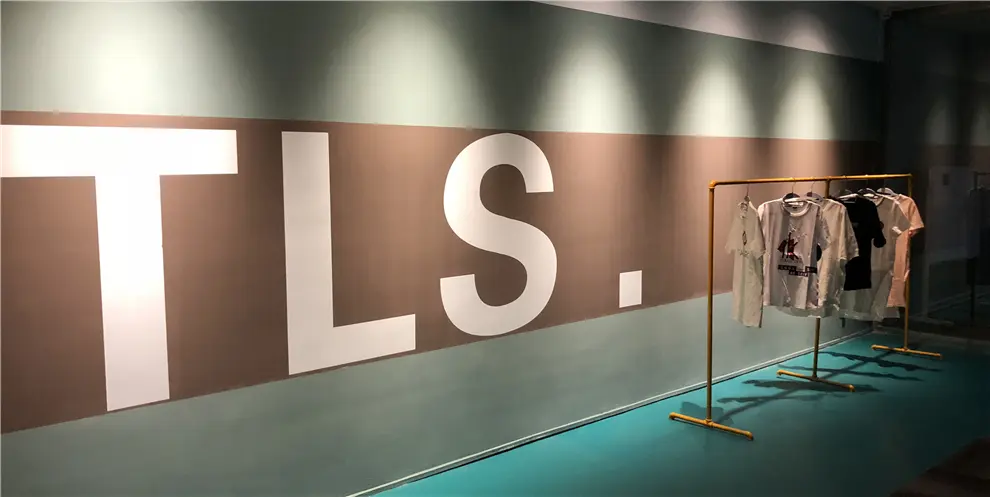
Our research and development facilities are equipped with testing technology to verify color matching, peel strength, and wear resistance. We invest continuously in our testing labs to verify that our products meet the technical specifications of our global customers.
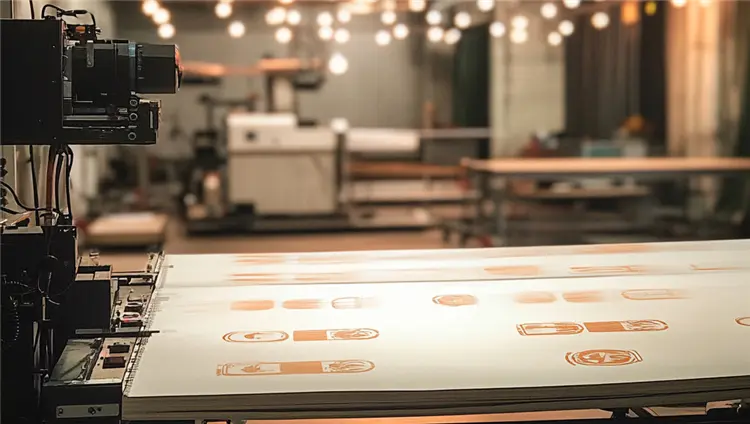
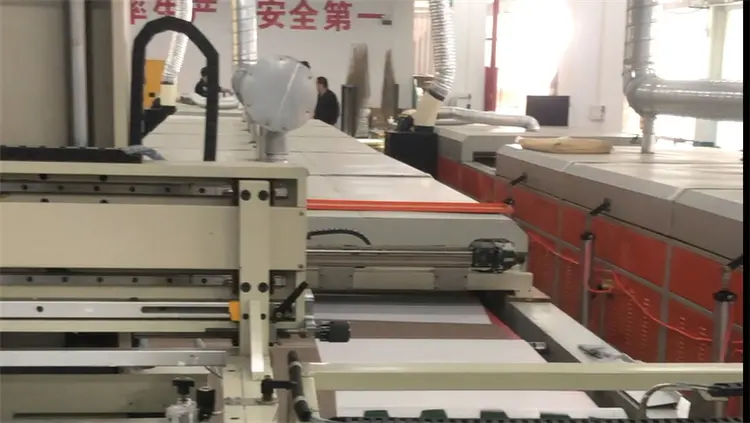
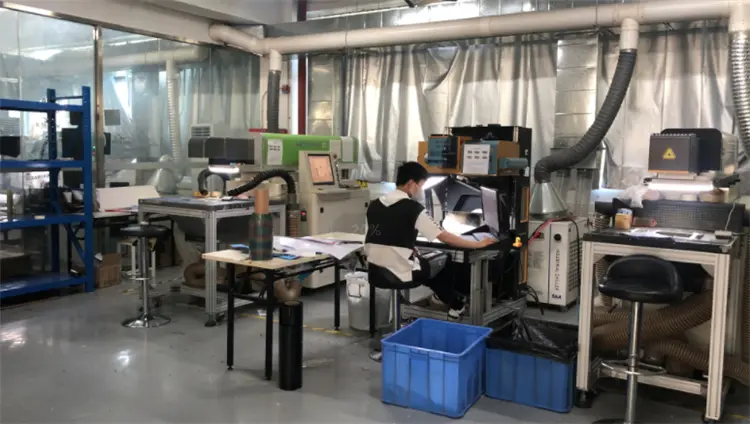
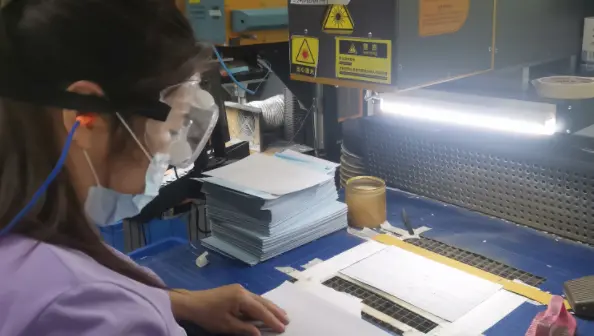
Our production facilities handle high-volume demands while maintaining consistent lead times. Using automated lines for screen printing, digital printing, and mold preparation, we scale up operations to meet tight delivery windows.
Get answers to technical questions about lead times, material compatibilities, and shipping logistics.
Our standard production lead time for orders up to 10,000 units is 5 to 7 business days, depending on the complexity of the design. Simple digital layouts or neck sizing labels can be shipped in as little as 3 to 5 days, while complex items like 3D molded silicone patches or multi-process appliques generally require 7 to 9 days to allow for mold making and drying stages.
We formulate specialized thermoplastic polyurethane (TPU) backings designed to bond with low-surface-energy textiles. These adhesives bypass the barrier properties of durable water-repellent (DWR) coatings, forming a secure mechanical bond that resists peeling even after repeated washing.
Yes. Our heat transfers for polyester and synthetic blends feature an integrated dye-blocking barrier. This layer blocks migrating dye molecules from the fabric base, ensuring white and light-colored transfers retain their original color without staining.
Our products are tested to meet Oeko-Tex Standard 100 Class I (safe for infants) and comply with REACH regulations. In our factory, we conduct continuous testing for wash resistance (AATCC 61, 50 cycles at 60°C), stretch recovery, and friction wear.
Our MOQs vary by product category. For simple heat transfer labels, the MOQ is 5,000 units. For 3D molded silicone patches and specialty reflective films, the MOQ is 1,000 units. We also support smaller trial runs to assist brands with new collections.
Our reflective transfers are built on high-stretch polyurethane carrier films. This design allows the transfer to stretch and return to shape alongside fabrics like Spandex and Lycra, preventing cracking or peeling during physical activity.
Pricing depends on the overall size of the transfer, the quantity of colors, the backing material, and the order volume. Digital prints carry no plate charges, whereas screen-printed and 3D silicone transfers involve set-up and mold fees. Larger volumes benefit from lower unit rates.
We work with international express services (DHL, FedEx, UPS) to provide 3-to-5 day door-to-door shipping worldwide. For larger consignments, we coordinate air and ocean freight shipments to destination factories, handling all custom clearance paperwork to avoid delivery delays.
Review our selection of technical transfers, developed to meet strict wash, stretch, and visual standards for global brands.
 TALENT Industrial