Explore our high-performance, durable thermal transfers engineered to meet global compliance and rigorous washing standards.
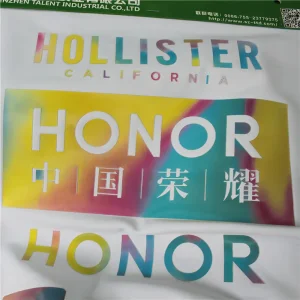
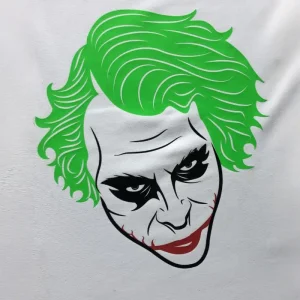
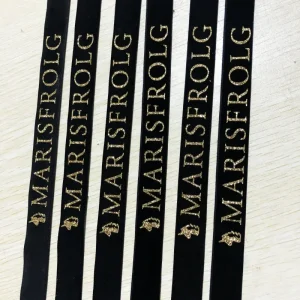
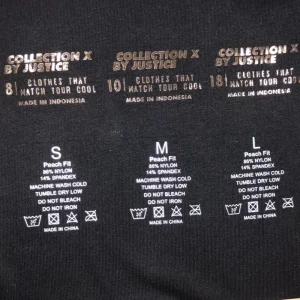
Precision silicone printing has transitioned from a niche component styling method to a crucial pillar of modern industrial manufacturing. As global consumer demand aligns toward functional durability, tactile luxury, and environmental safety, industries like athletic apparel, smart automotive interiors, medical electronics, and consumer devices are rapidly adopting liquid silicone rubber (LSR) and screen-printed silicone transfers.
Historically, PVC and polyurethane (PU) dominated heat-transfer labeling and apparel customization. However, their physical performance limitations and negative ecological profiles catalyzed a structural shift toward organopolysiloxane-based materials. With high elongation rates (often exceeding 400%), thermal stability spanning from -60°C to +250°C, and exceptional resistance to laundry chemicals and UV exposure, silicone-based printing has become the default specification for high-end OEMs worldwide.
Unlike PVC-based solutions, silicone chemistry offers complete bio-compatibility, eliminating plasticizers and heavy metals. This performance allows brands to comfortably comply with stringent green directives like OEKO-TEX® Standard 100 Class I (safe for infants) and the Zero Discharge of Hazardous Chemicals (ZDHC) Roadmap.
Four major trends define the precision silicone printing sector today:
Discover the milestones of our technical capabilities at SZ Talent, aimed at bringing zero-defect, high-definition prints to market.
Configuring viscosity curves to permit clean release and high-definition mesh passage.
Lowering temperature thresholds to 110°C to protect heat-sensitive synthetic fibers.
Hybridizing digital inkjets with silicone screen bases for photographic-level clarity.
For over a decade, SZ Talent has acted as a premier partner in the research, development, and mass manufacturing of specialized heat transfer labels. Operating from high-output facilities in China, SZ Talent merges chemical research, high-precision molding, and screen printing into a single workflow.
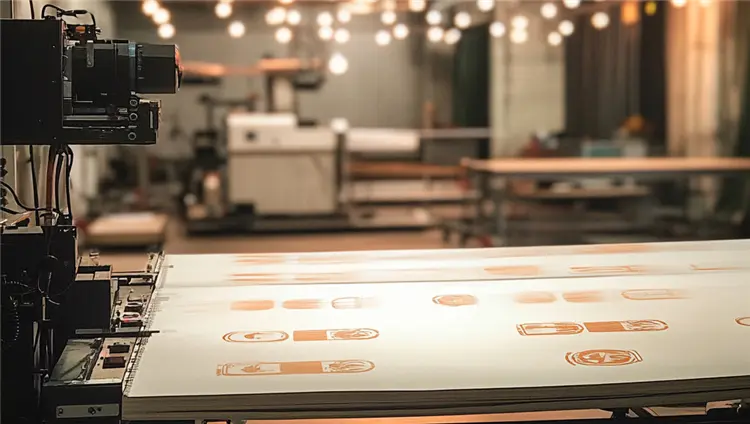
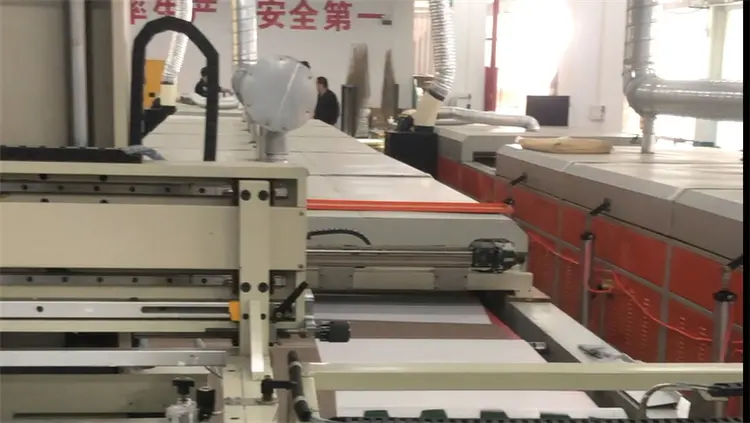
By investing in fully automated print stations, infrared drying tunnels, and computerized quality scanners, we maintain industrial precision and quality continuity. We serve major global sportswear suppliers, technical apparel brands, and safety gear manufacturers who demand absolute compliance, wear-resistance, and flawless aesthetics.
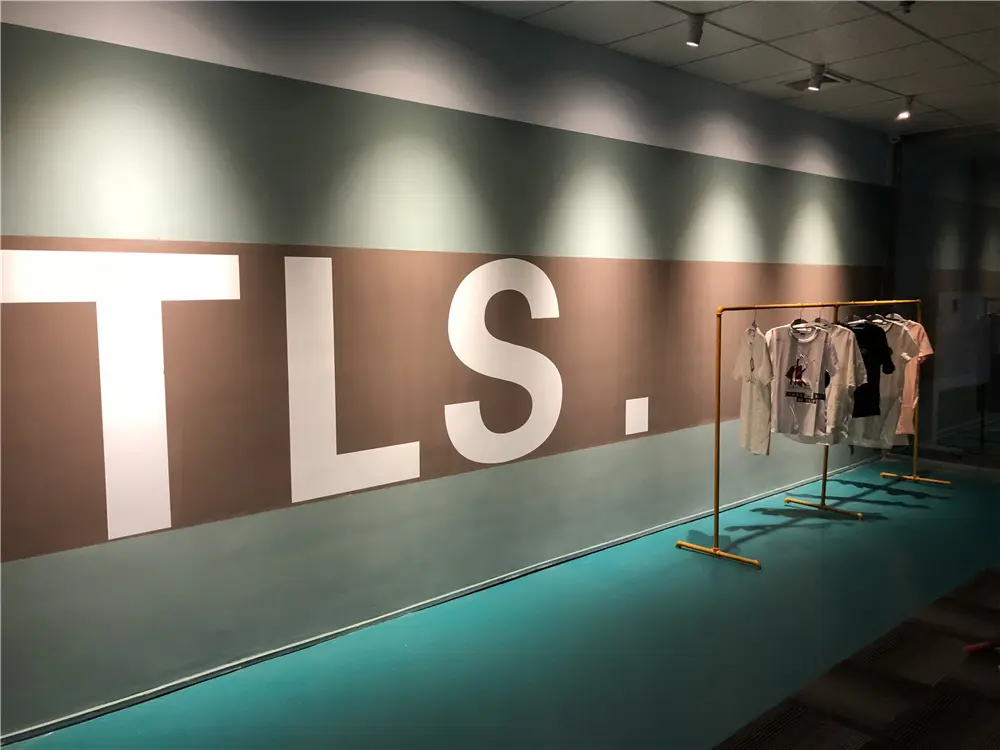
Providing specialized solutions tailored to meet the strict demands of target markets.
Compression apparel requires extreme elasticity. Our silicone transfers stretch in tandem with Lycra, Spandex, and Nylon fibers without cracking, peeling, or causing dye migration (bleeding) from dye-sublimated garments.
Industrial applications demand heat, chemical, and abrasion stability. SZ Talent's molded silicone components find application on steering controls, seat buckles, and medical bands requiring sanitization stability.
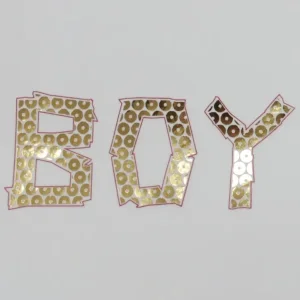
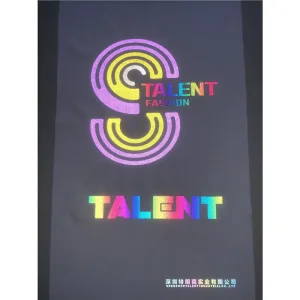
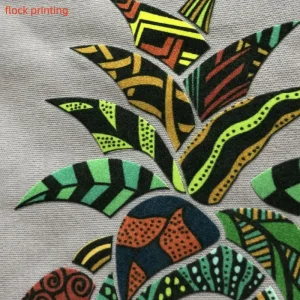
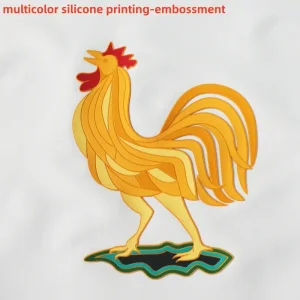
For high-end fashion, we develop 3D molded badges, holographic silicone patches, and luxurious flocked transfers that add substantial perceived value, tactile appeal, and distinct brand security features.
Answering professional questions about precision silicone transfers, application methods, and quality standards.
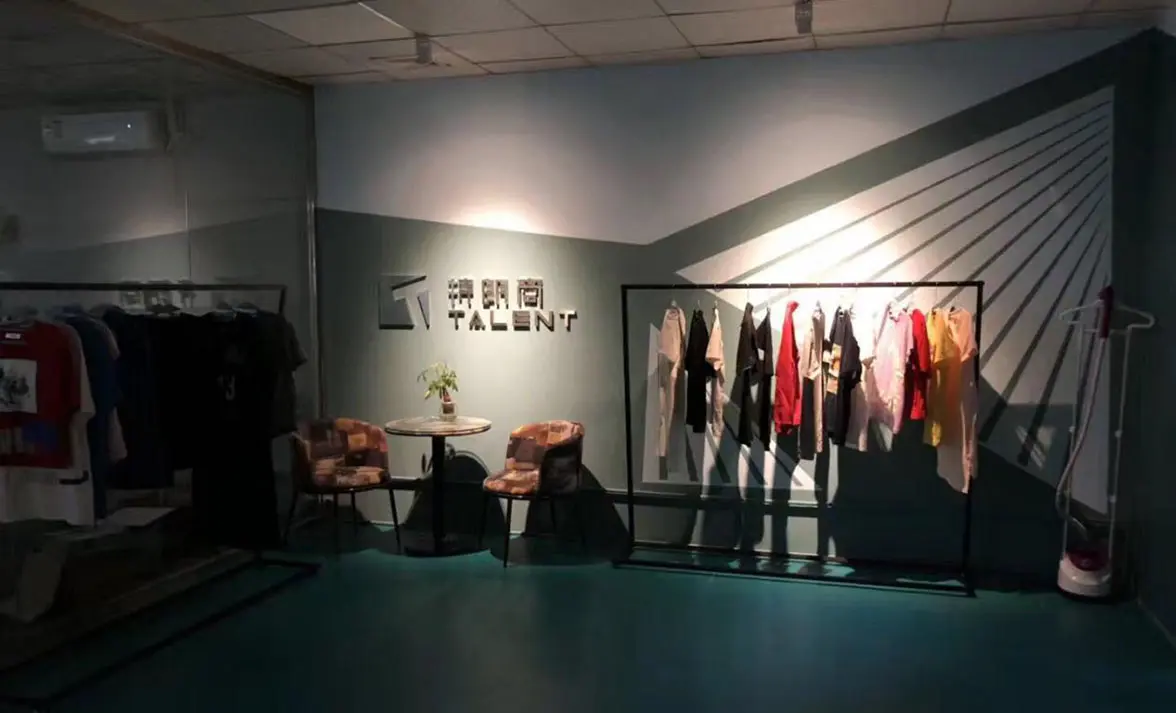
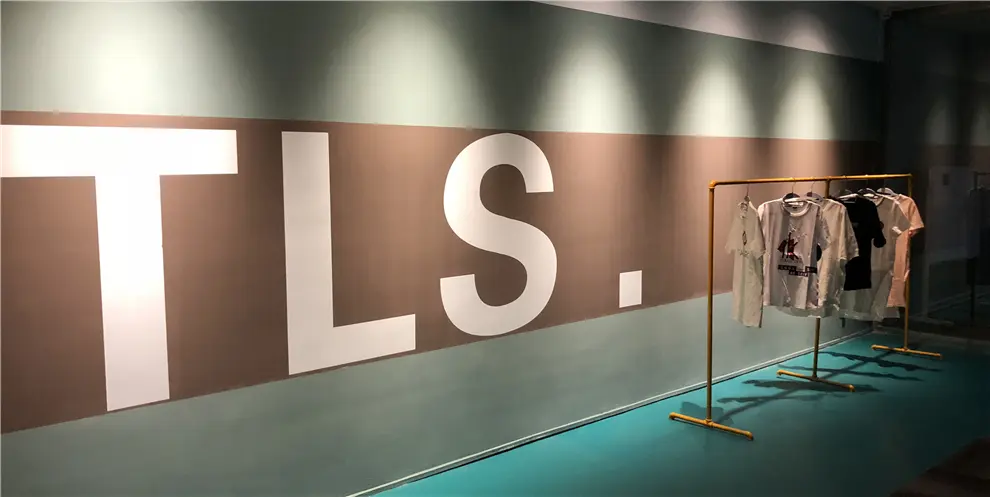
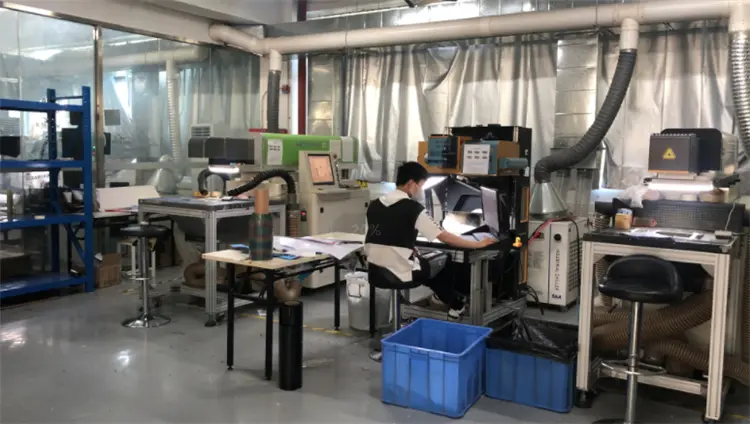
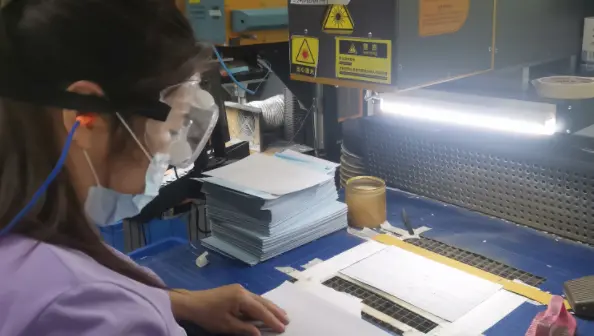
At SZ Talent, we believe that technological innovation is driven by a passionate, experienced, and highly-aligned team. Our manufacturing facilities are equipped with the latest curing, molding, and high-speed screen-printing technology.
Through continuous investments in infrastructure, process design, and technical skills development, we have scaled our capacity to handle large contracts without sacrificing precision. Our production environment runs under strict temperature and dust controls to ensure zero dust contamination during critical screen printing passes.
Premium solutions designed for enhanced product safety, daytime/nighttime visibility, and touch-sensitive dynamic designs.

 TALENT Industrial