Premium solutions from industrial-grade manufacturing, optimized for durability and high-definition branding.
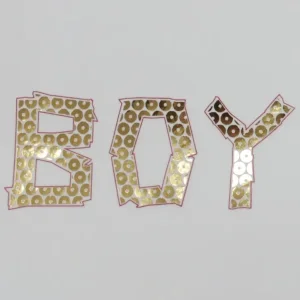


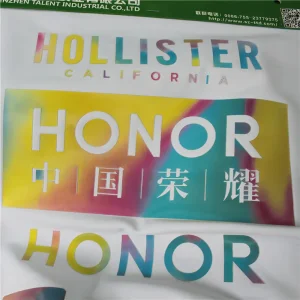
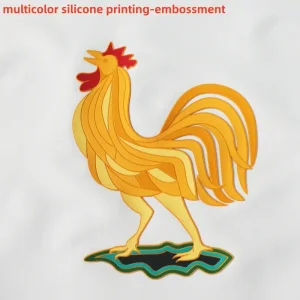

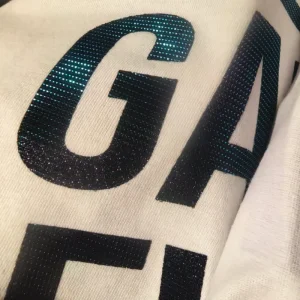
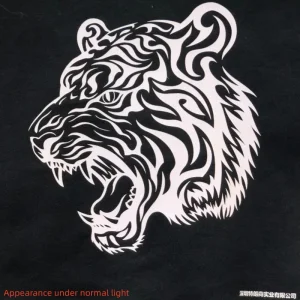
In the hyper-competitive global apparel, outdoor equipment, and technical gear markets, brand agility has transitioned from a competitive advantage to a fundamental survival metric. The conventional B2B supply chain, historically built upon high minimum order quantities (MOQs) and lengthy production runs, is increasingly failing to align with modern corporate requirements. "No Minimum" heat transfer label manufacturing offers an alternative framework—combining digital print efficiency, highly automated screen process workflows, and state-of-the-art materials engineering to support micro-batch production, custom product testing, and on-demand replenishment.
For enterprise procurement officers, technical directors, and apparel designers, heat transfer labels (also known as tagless labels or thermal transfers) are crucial components. They define brand identity while maintaining direct skin-contact comfort. As brands pivot toward tagless solutions for activewear, compression gear, and infant clothing, the quality of these transfers has direct implications for consumer satisfaction and brand equity.
Global supply chain managers are shifting their attention away from upfront unit costs and focusing on the total cost of ownership (TCO). Conventional high-MOQ sourcing leads to hidden costs, including storage, inventory depreciation, and landfill fees for unsold, pre-branded garments. Sourcing from a reliable, agile manufacturer capable of processing "No Minimum" orders addresses several key procurement issues:
Enables just-in-time (JIT) manufacturing and responsive customization. Capital remains liquid rather than tied up in static label warehouse stocks.
Ensures that labels are free of harmful substances (Oeko-Tex Standard 100), satisfying international regulatory standards like REACH and EPA.
Delivers high tensile elongation, high wash-cycle resistance (50+ home washes), and excellent adhesion to technical, waterproof, or highly elastic fabrics.
Not all heat transfers are created equal. Different garment substrates require specific chemical formulations and carrier films. As a leading manufacturer, our production lines utilize diverse technical pathways to ensure optimal bonding and longevity:
Modern activewear consists of high-stretch synthetics (nylon-spandex, polyester-elastane blends). Traditional plastisol inks tend to crack when stretched. Our Multi-Technique Thermoplastic Polyurethane (TPU) transfers are formulated to flex up to 300% without structural failure or delamination. This ensures that graphics maintain high fidelity throughout the garment's lifecycle.
To meet the demand for dimensional branding in streetwear, our puff transfers expand under heat application to create a raised, tactile effect. Integrating precision laser cutting ensures that even intricate logos or thin lines remain sharp, avoiding the blurred edges common in low-tier screen-printed foam labels.
Silicone represents the premium tier of modern branding. Unlike PVC, silicone is eco-friendly, highly heat-resistant, and offers a smooth, soft-touch matte finish. Using advanced CNC-engraved molds, our factory produces 3D Molded Silicone Patches and Holographic 3D Silicone Patches that provide strong depth, metallic color shifts, and high durability for outerwear and accessories.
Technical fabrics treated with Durable Water Repellent (DWR) coatings or silicone-finish waterproof agents present adhesion challenges. Traditional hot-melt adhesives fail to bond with these surfaces. Our Coating-Grip Heat Transfer Patches feature a specialized cross-linking adhesive layer that chemically bonds with technical coatings, passing demanding hydrostatic and industrial wash tests.
| Transfer Technology | Key Substrates | Application Temp / Time | Wash Durability | Special Properties |
|---|---|---|---|---|
| Multi-Technique TPU | Polyester, Nylon, Spandex | 140°C - 150°C / 12-15s | Over 50 Cycles at 60°C | High stretch, anti-migration backing |
| 3D Molded Silicone | Cotton, Fleece, Outerwear | 155°C - 165°C / 15-20s | Industrial Dry-clean Proof | Tactile depth, premium matte finish |
| Puff (Foam) Transfer | Heavy Knits, Cotton Blends | 135°C - 145°C / 10-12s | Over 30 Cycles at 40°C | 3D expansion, textured finish |
| Coating-Grip Patches | DWR-treated Nylon, TPU Shells | 150°C - 160°C / 15-18s | Waterproof / Sea-water proof | Cross-linking adhesive matrix |
SZ Talent: Over a decade of innovation, automated processing, and green chemical engineering.
SZ Talent is a leading company with more than ten years of experience specializing in all kinds of heat transfer labels. Our comprehensive approach combines innovation, research and development, production, sales, processes, and service. We are proud of our industrial automated production lines, dedicated team of technical experts, and strong quality management system. Our focus remains on developing innovative, environmentally friendly, functional, and fashionable heat transfer products.
We adhere to the core values of quality-oriented, integrity-based, mutual benefit, promoting innovation, and ensuring long-term development. Our efforts are always focused on meeting the diverse needs of our global clients.
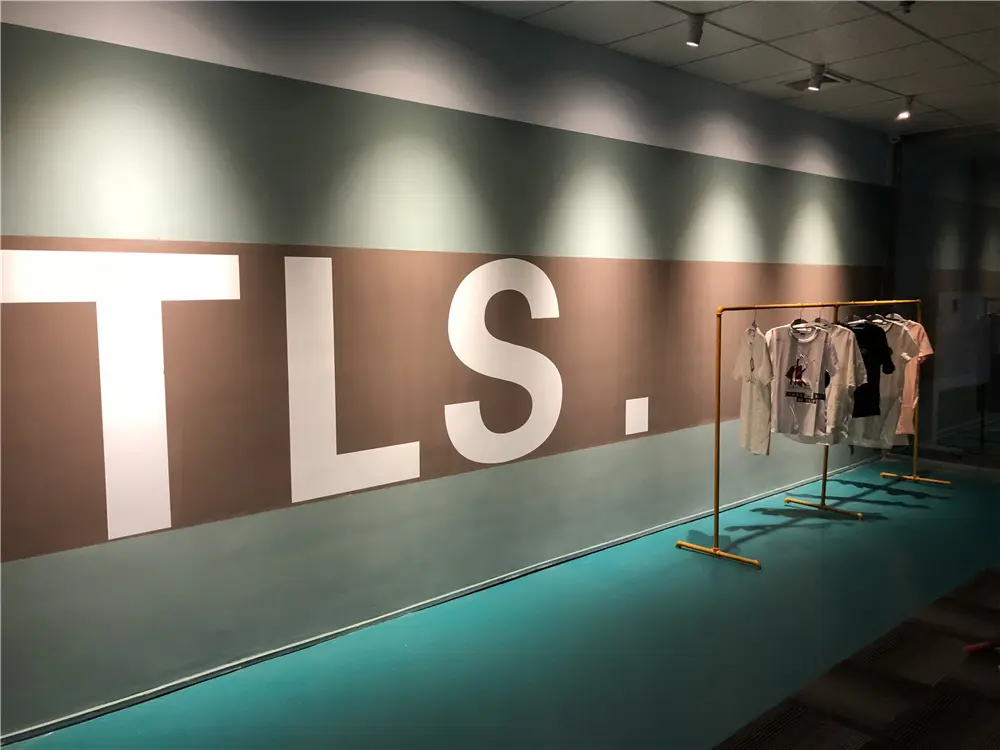
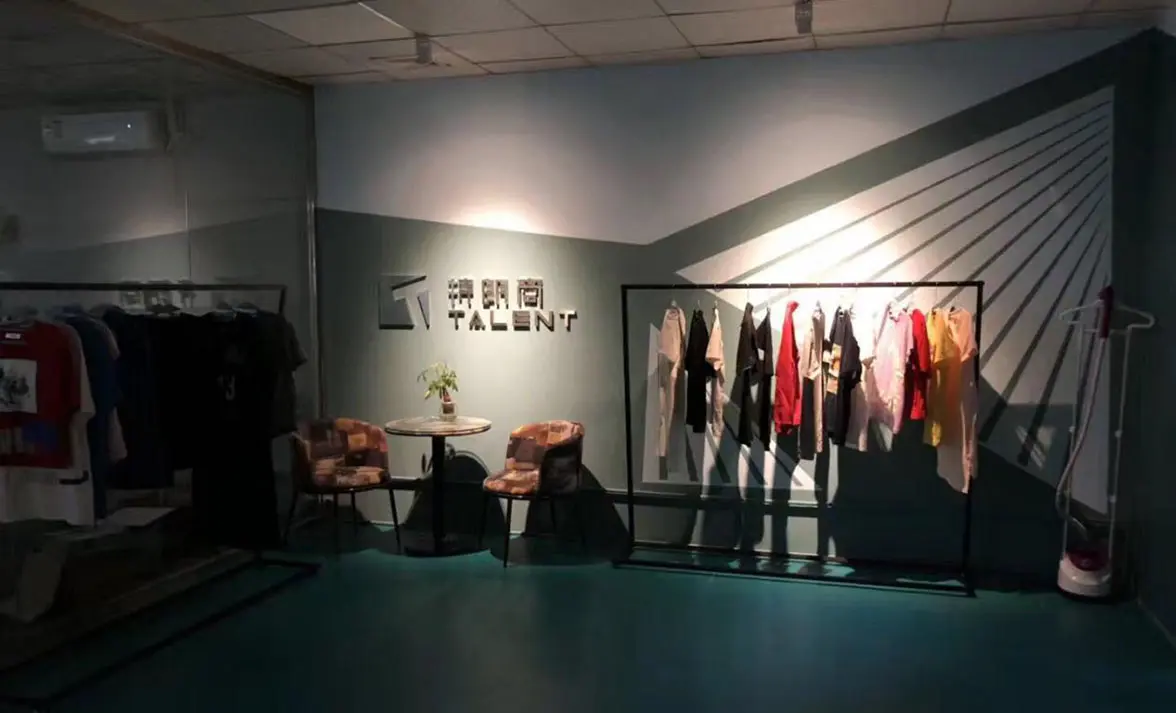
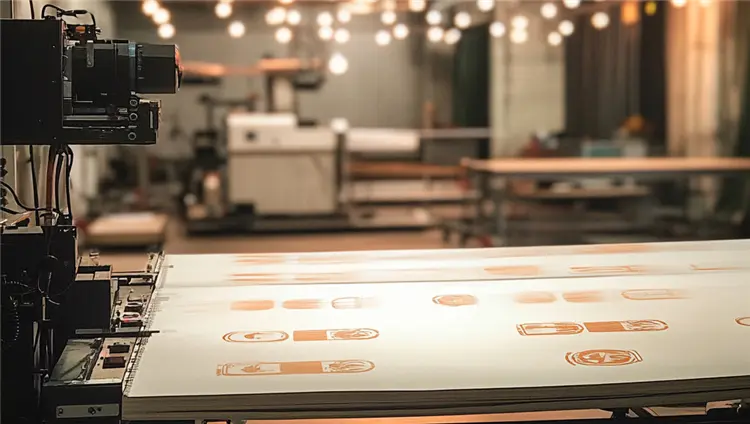
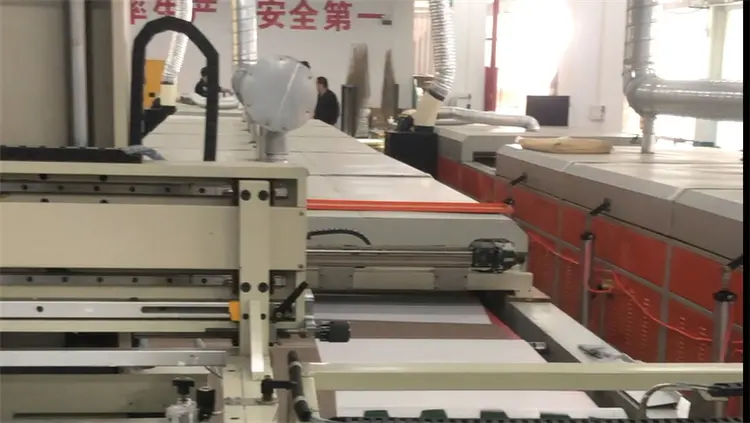
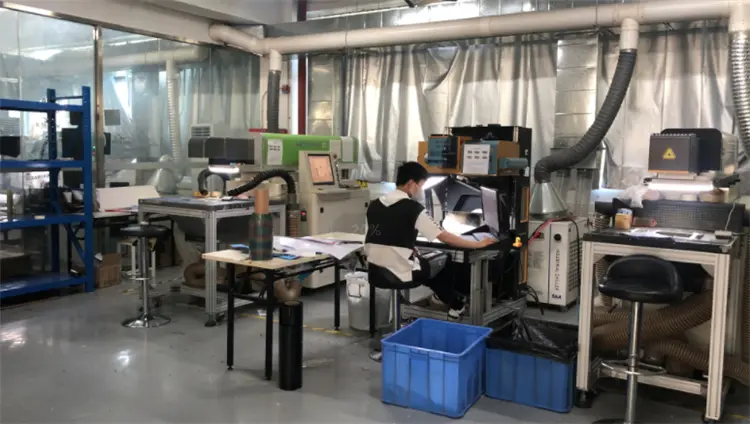
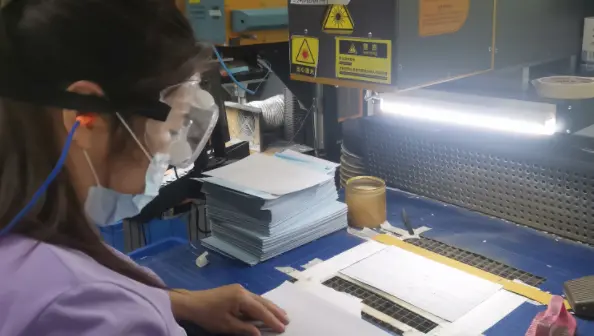
Our state-of-the-art facilities are equipped with the latest production technology to ensure efficient output and high-quality results. We have made significant investments in infrastructure to create an enabling environment for innovation, research, and development. Designed to meet the highest industry standards, our facilities support the agile production demands of global brands.
Achieving a durable heat transfer bond is a collaborative process. While manufacturing the label correctly is critical, proper application on the production line is equally important. When transitioning to tagless labels, apparel decorators should focus on three primary variables: Temperature, Time, and Pressure.
A frequent issue in polyester garment decoration is dye migration, where the garment’s disperse dyes bleed into the applied label under heat. This issue is particularly visible when white or light-colored transfers are pressed onto dark fabrics. SZ Talent addresses this challenge by incorporating a specialized activated carbon anti-migration barrier within the transfer's layers. This barrier absorbs migrating dyes during the heat-pressing process, preserving the label's original color profile.
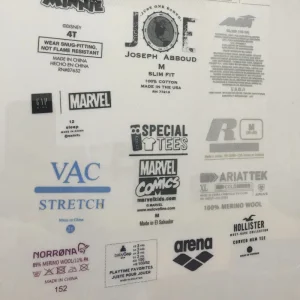
Selecting the correct size and layout for inner neck size labels is key to maintaining comfort. Traditional sewn labels can irritate the skin, but poorly applied transfer labels can also stiffen the fabric if the ink layers are too thick. By choosing high-resolution, single-layer screen transfers, brands can produce thin, flexible labels that remain completely imperceptible to the wearer.
Expert technical insights to help guide your purchasing and application processes.
Durable, flexible, and interactive styles designed for technical outerwear and inner wear sizing.

 TALENT Industrial