Explore our top-tier, high-adhesion thermo-bonding products developed for advanced textile and footwear applications.

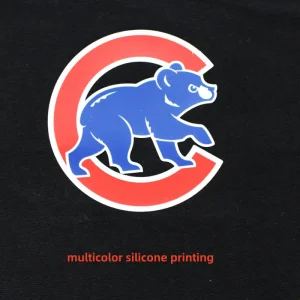


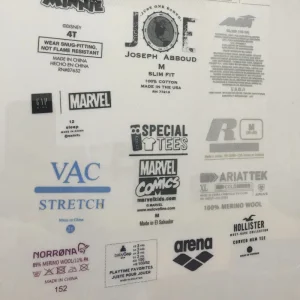

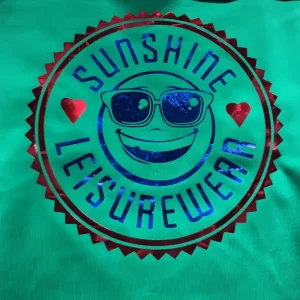
Within the hyper-competitive global fashion, safetywear, and sportswear industries, supply chain failure is not an option. Multinational brands and garment manufacturing plants constantly seek thermal labels that preserve their visual and functional integrity over dozens of industrial wash cycles. Modern technical fabrics (e.g., silicone-coated nylons, spandex blends, and DWR-treated polyesters) present serious challenges to standard adhesives, frequently causing edge lifting, cracking, or catastrophic peel-off.
Strategic purchasing managers must identify heat transfer exporters who utilize cross-linking polymeric adhesives that form robust covalent bonds with diverse substrate fibers. Our advanced research demonstrates that key elements like molecular weight, melting points, and rheological properties of TPU (Thermoplastic Polyurethane) and silicone adhesives play a crucial role in eliminating failure rates. Ensuring zero-peel performance requires an intimate understanding of the mechanical and chemical stresses fabrics endure during processing and consumer wear.

Modern garment decorators face complex chemical configurations when applying heat transfers. The shift toward eco-friendly and sustainably sourced fabrics has introduced a range of surface energies. Standard adhesives fail to wet out these new low-energy surfaces. SZ Talent tackles this with a range of specialized primers that function at the molecular level, ensuring that our transfers perform perfectly on activewear, outer layers, and workwear alike.
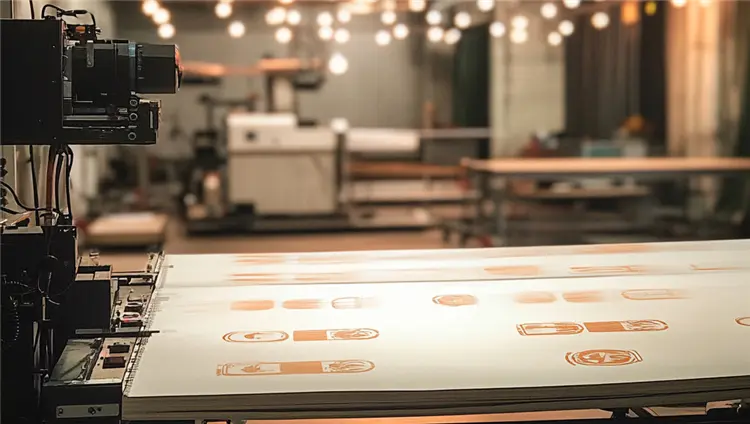
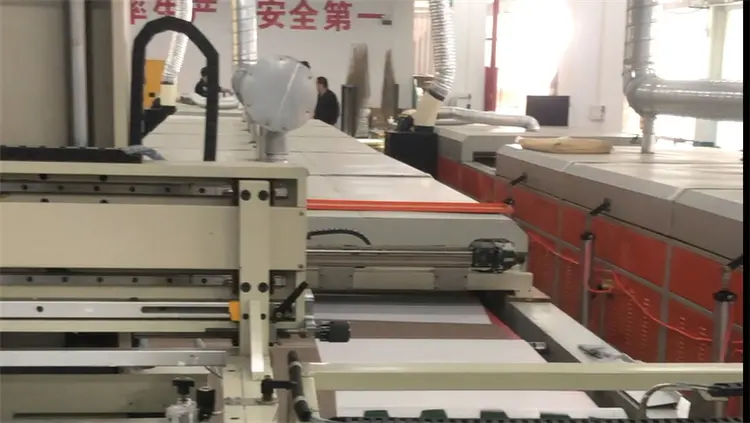
Our automated production facilities integrate precision optical inspect systems and tension control units, ensuring every roll of transfer film matches exact geometric and thickness specifications. This high consistency is vital for garment manufacturers running high-speed automatic heat press equipment, reducing dwell time and temperature variability during mass production.
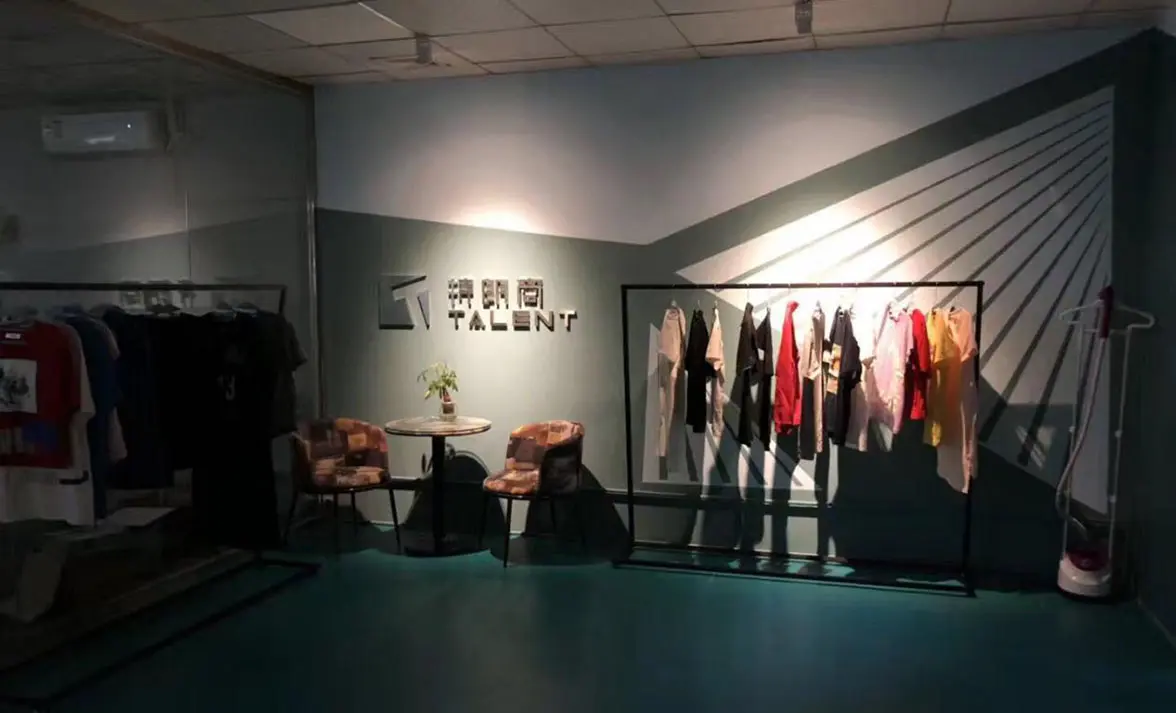
SZ Talent is a leading company with more than ten years of experience specializing in all kinds of heat transfer labels. Our comprehensive approach combines innovation, research and development, production, sales, processes, and service. We are proud of our industrial automated production lines, dedicated team of technical experts, and strong management system. Our focus remains on developing innovative, environmentally friendly, functional, and fashionable heat transfer products. We adhere to the core values of quality-oriented, integrity-based, mutual benefit, promoting innovation and ensuring long-term development. Our efforts are always focused on meeting the needs of our customers.
Over the years, we have experienced significant growth and expansion due to our unwavering commitment to excellence. We continuously invest in advanced technologies and processes to increase our production capabilities and meet our customers' growing needs. Our continued growth is a testament to our commitment to providing exceptional products and services.
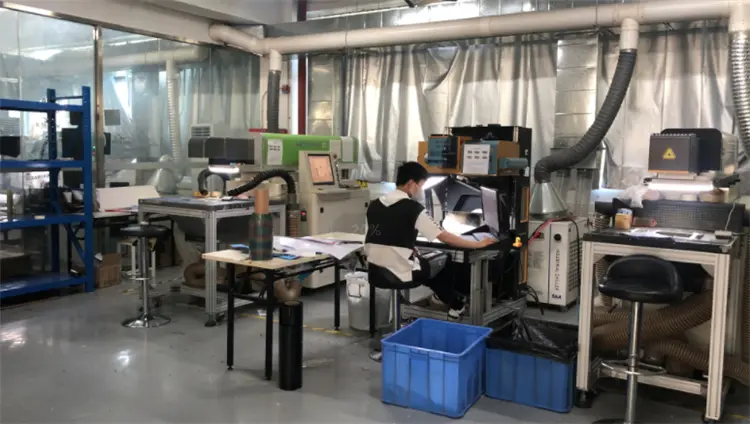
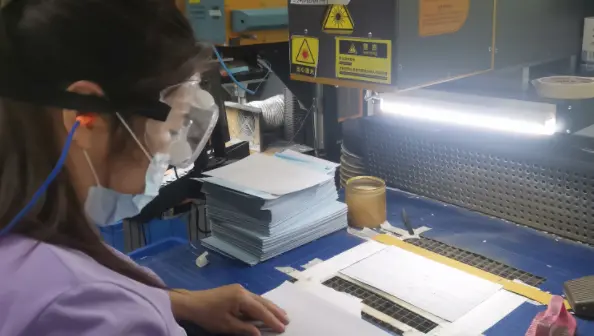
Our state-of-the-art facilities are equipped with the latest technology to ensure efficient production and high-quality output. We have made significant investments in infrastructure to create an enabling environment for innovation, research and development. Our facilities are designed to meet the highest industry standards and meet the diverse needs of our customers.

The heat transfer industry is moving toward environmental compliance and smart integration. As global regulatory bodies impose tighter restrictions on Volatile Organic Compounds (VOCs) and plasticizers, the development of water-based and bio-based polyurethane adhesives has become critical. Our technical roadmap focuses on developing non-toxic, eco-friendly heat transfers that do not sacrifice peel strength or elastomeric properties.
Additionally, we are exploring smart heating technologies that allow labels to interact with smart-phone sensors, opening new opportunities for brand protection and anti-counterfeiting. By blending advanced screen printing techniques with modern polymer chemistry, we produce multi-textured transfers that deliver both visual appeal and high-performance functionality.
Operating as an international exporter means meeting strict national standards. We have established localized quality testing systems that align with testing standards such as AATCC, ISO, and JIS. This ensures that every batch of heat transfer labels arriving in North America, Europe, or Southeast Asia matches the legal requirements of the target market.
Our raw material sourcing is restricted to certified chemical partners. This strict quality control path guarantees stable color metrics across batches, protecting brands from variations that could impact their market presence.
Get professional technical insights on application settings, chemical composition, and Troubleshooting steps to guarantee no-fail adhesion.
Select from our range of technical finishes, from high-visibility reflective materials to unique 3D textures, designed to meet global supply chain requirements.


 TALENT Industrial