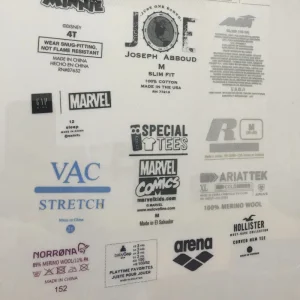
Explore our high-performance, wash-durable heat transfer solutions engineered for sportswear, outer apparel, and custom corporate branding.

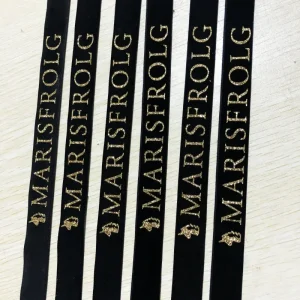
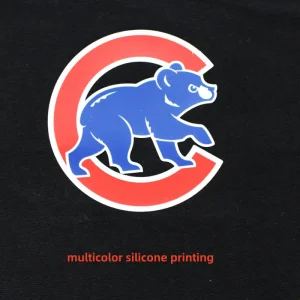
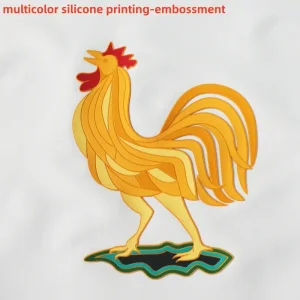
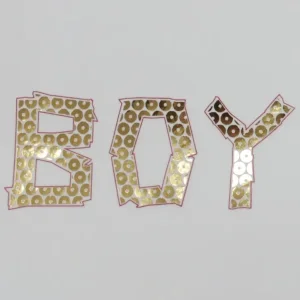
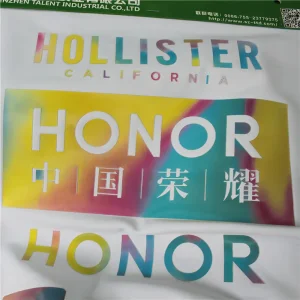
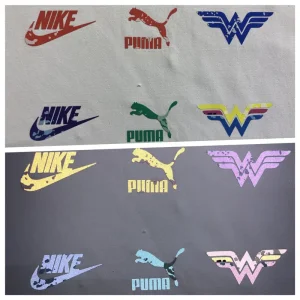
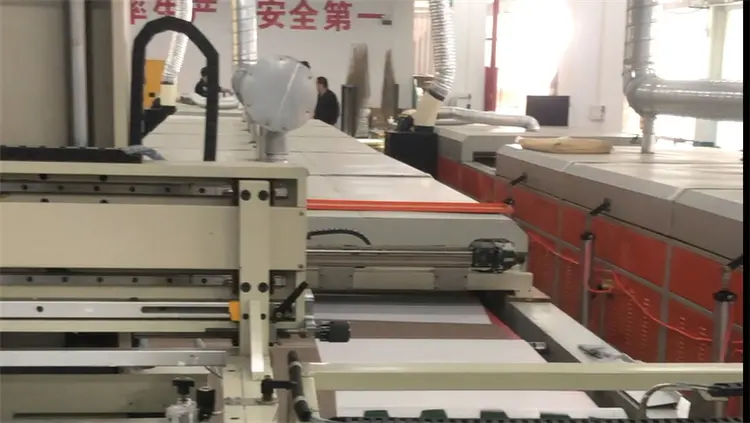
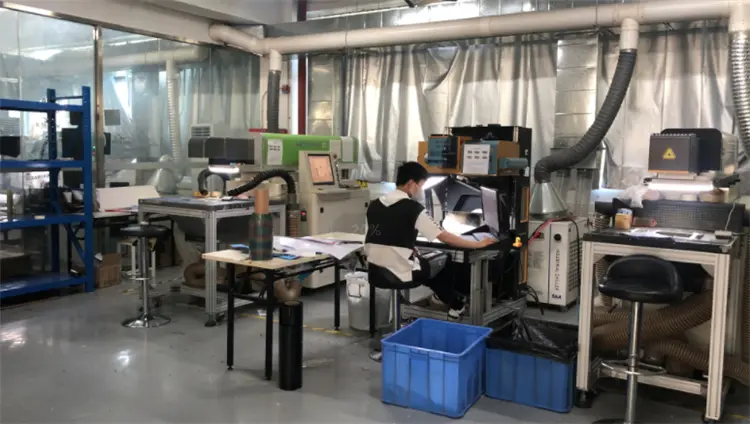
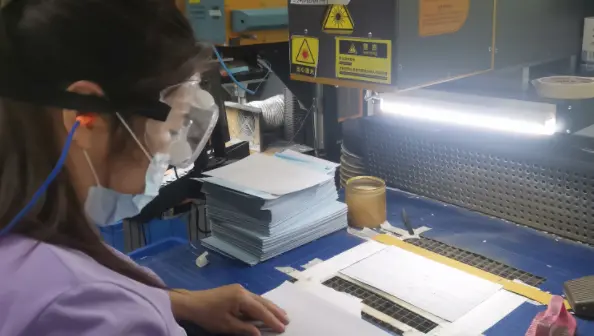
SZ Talent is a leading company with more than ten years of experience specializing in all kinds of heat transfer labels. Our comprehensive approach combines innovation, research and development, production, sales, processes, and service. We are proud of our industrial automated production lines, dedicated team of technical experts, and strong management system. Our focus remains on developing innovative, environmentally friendly, functional, and fashionable heat transfer products.
We adhere to the core values of quality-oriented, integrity-based, mutual benefit, promoting innovation and ensuring long-term development. Our efforts are always focused on meeting the needs of our customers.

The global garment embellishment market is undergoing a seismic paradigm shift. Traditional screen printing and direct embroidery, while historically dominant, face severe limitations under the pressure of quick-response manufacturing, custom inventory management, and structural material innovation. Modern synthetic polymers, composite performance textiles, and smart stretch fabrics demand branding methods that exhibit high flexibility, thermal resistance, and exceptional tensile recovery.
Industrial heat transfers have risen to the forefront as the definitive solution. By pre-manufacturing designs on specialized release films, apparel decorators minimize the direct risks of on-fabric manufacturing faults. The integration of 3D Molded Silicone, holographic optics, and multi-process appliques allows contemporary sportswear and fashion giants to customize aesthetic profiles without altering fabric structures. According to current global textile value-chain analysis, thermal transfer decoration reduces production waste by up to 25% and improves final packaging cycle times by 40% compared to direct embellishment processes.
To establish true authority (E-E-A-T), we must look at the material science behind industrial transfers. A premium garment branding transfer is a multi-layered structure comprising a carrier film, a release agent, graphic ink layers (such as silicone or high-stretch polyurethane), an optional barrier layer (for dye migration prevention), and a heat-activated hot-melt adhesive matrix.
Dye migration (or dye sublimation bleed-through) occurs when disperse dyes in synthetic fabrics (primarily polyester and blends) become volatile at temperatures above 130°C and bleed into the lighter colors of the applied graphic. To prevent this, SZ Talent integrates an active carbon-barrier or specialized polyurethane blocking agent. This acts as a chemical seal, isolating the transfer inks from the volatile sublimation gases of the host garment.
| Material Type | Elasticity / Elongation | Dye Migration Resistance | 3D Height Range | Eco-Compliance | Recommended Fabric Application |
|---|---|---|---|---|---|
| 3D Molded Silicone | Extreme (>200%) | Excellent (Inherent Block) | 0.5mm - 2.5mm | Eco-Friendly / PVC-Free | Compression Wear, High-end Hoodies, Jerseys |
| Polyurethane (PU) | High (150%) | Requires Carbon Barrier | Flat to Semi-Raised | Standard Compliant | General Cotton, Blends, T-Shirts |
| Lenticular/Color-Shift | Moderate (80%) | Excellent Barrier Layer | Structured Textured | Compliant | Outerwear, Fashion Jackets, Caps |
| Hot-Melt Neck Labels | High (120%) | Standard Barrier | Ultra-Thin (Seamless) | OEKO-TEX Class I | Direct Skin-Contact Undergarments |
Obtaining an accurate quote for wholesale thermal transfers requires a granular understanding of the variables that dictate production pricing. Industrial manufacturers calculate pricing models based on a matrix of material cost, tooling requirements, setup times, and design complexity.
Deploying heat transfer branding requires adherence to strict global safety and ecological directives, especially when dealing with international distribution. The criteria vary depending on the destination market and end-user profile.
For high-intensity team sports (soccer, rugby, cycling), thermal branding must withstand aggressive pulling, perspiration, and heat. Our *Wholesale Screen-Printed Silicone Transfers* leverage high-molecular bonding chemistry that stretches without micro-cracking. For high-visibility utility wear and industrial uniforms, the *OEM Reflective Heat Transfer Solutions* are tested to retain retro-reflective properties after dozens of aggressive industrial wash cycles.
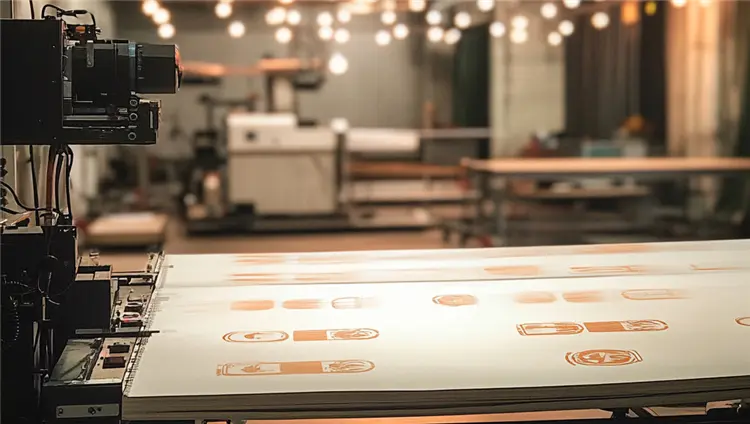
The success of a heat transfer is only 50% dependent on the manufacturing quality; the remaining 50% is determined by the application process. Proper transfer bonding requires precise synchronization of three variables: Temperature, Time, and Pressure.
Insufficient heat prevents the hot-melt adhesive from reaching its melting point (viscous liquid phase). Excess temperature or time can scorch the fabric, flatten 3D features, or cause adhesive strike-through. Similarly, pressure must be uniformly distributed to ensure the adhesive penetrates deep into the garment's fiber matrix.
As we transition into the next generation of garment manufacturing, sustainability and digital integration are leading the charge. The next phase of SZ Talent's research and development focuses on three primary pillars:
1. Bio-Based Hot-Melt Adhesives: Replacing standard petroleum-derived TPU adhesives with plant-based, biodegradable alternatives that match the high wash durability of current commercial solutions.
2. Smart Anti-Counterfeiting Elements: Embedding micro-RFID elements or specialized photo-luminescent pigments directly into 3D silicone patches, allowing brand owners to verify product authenticity instantly using smartphone optical sensors.
3. AI-Assisted Defect Diagnostics: Incorporating automated high-resolution optical inspection cameras on our screen-printing lines to capture and eliminate micro-fissures or registration errors in real-time, reducing our production defect rate below 50 PPM (parts per million).
SZ Talent is a well-known name in the industry, known for its commitment to quality, innovation, and customer satisfaction. We attach great importance to research and development and continuously introduce cutting-edge products that meet the changing needs of the market. Our commitment to excellence makes us a trusted partner for businesses looking for high-quality thermal transfer labels.

Our team is comprised of experienced professionals who are passionate about delivering exceptional service. We have a talented workforce dedicated to driving the company's growth and success. Our team members are committed to maintaining the highest quality and service standards, ensuring our customers receive the best solutions.
Clear answers to crucial engineering, application, and pricing queries regarding bulk garment branding heat transfers.
Select from our extended technical product variants, including precision metallic finishes, high-definition appliques, and multi-process transfer technologies.


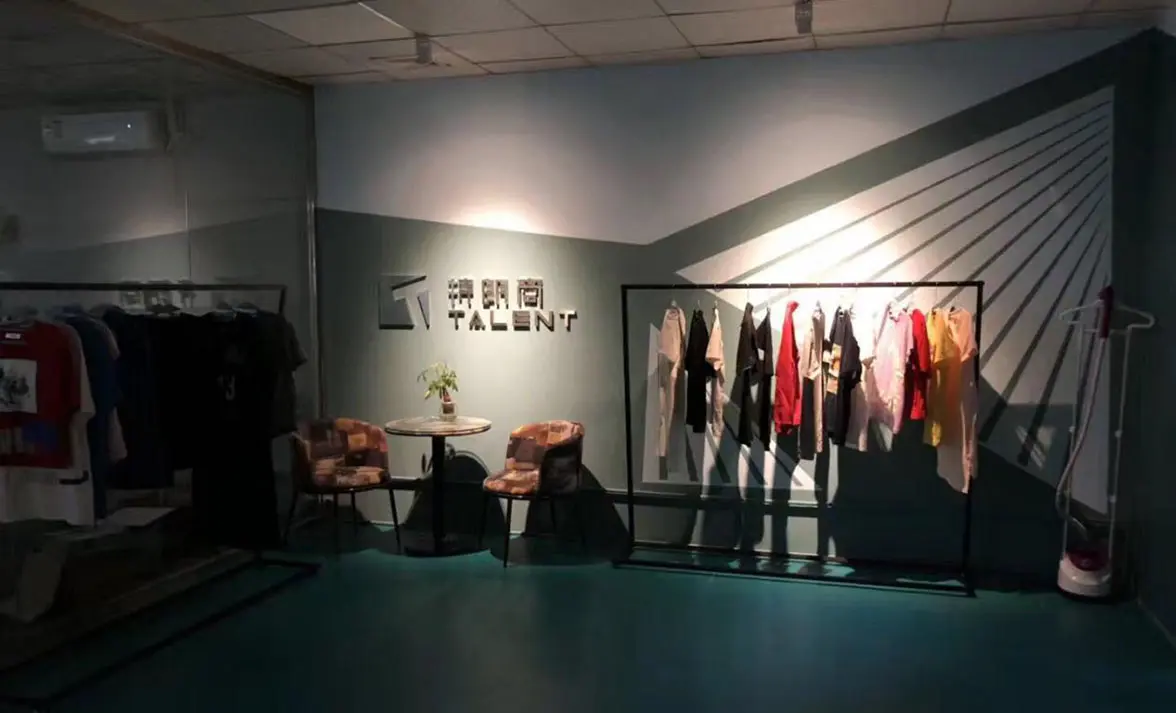
 TALENT Industrial