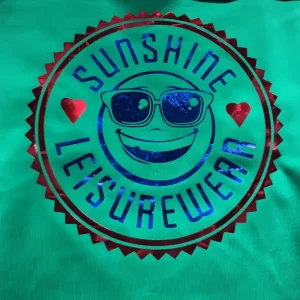
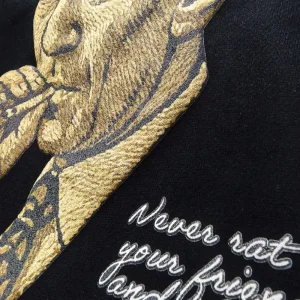
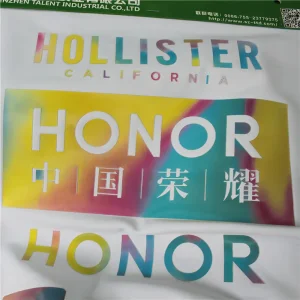
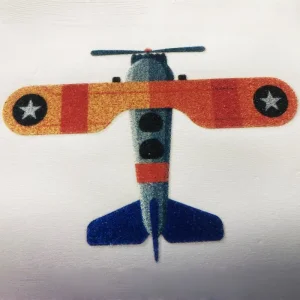
Engineered for extreme longevity, exceptional elasticity, and unparalleled resistance to wash wear and environmental friction.
Understanding polymer degradation, pigment chemistry, and thermal crystallization interfaces is critical for premium garment embellishment survival.
In modern textile manufacturing, branding elements are subjected to harsher environments than ever before. From heavy industrial washes to continuous outdoor UV exposure and friction stress in performance sportswear, the standard sticker is no longer sufficient. Achieving absolute fade-resistance requires complex chemical engineering and a deep understanding of ink-to-fiber integration.
Fade resistant heat transfer labels rely on advanced carrier films coated with highly stable polyurethane (PU) or silicone-based ink systems. These systems are formulated with high-performance pigments that offer superior lightfastness indices (Grade 4-5 on the Blue Wool Scale). By utilizing specialized cross-linkers, the printed elements cure into a resilient 3D matrix, blocking environmental oxidation and preventing degradation caused by soaps and high temperatures.
UV Degradation Defense: Incorporates active UV absorbers that shield the pigment particles from ultraviolet light damage.
Dye Migration Prevention: Specifically engineered barriers prevent volatile sublimated disperse dyes in polyester from migrating and altering the color of the applied label.
Procurement directors are shifting focus from purely cost-centric calculations to total cost of ownership (TCO) and long-term durability metrics.
Global clothing regulations dictate strict compliance (OEKO-TEX Standard 100, REACH, and RoHS). Brands require raw chemical inputs to be entirely free of PVC, phthalates, and formaldehyde. Manufacturers are responding by engineering water-based polyurethanes and plant-derived bio-adhesives that maintain extreme wash fastness.
Polyester and synthetic sportswear fabrics are notoriously prone to dye bleeding during curing. Exporters must provide active carbon layers or solid-phase dye blocking barriers to ensure white graphics do not turn gray or pink over time. The demand for sub-migration-resistant transfer patches has spiked by over 40% in international markets.
Large-scale garment assembly factories require fast roll-to-roll (R2R) transfer applications with consistent peel properties. Labels must perform at lower temperatures (120°C - 145°C) and under short dwell times (8 - 12 seconds) to avoid damaging technical fabrics while maximizing throughput on automated pneumatic heat presses.
In high-end sportswear, outdoor recreation gear, and safety apparel (high-visibility uniforms), heat transfers are increasingly replacing traditional embroidery and woven labels. Traditional methods punch structural holes in technical membranes (like Gore-Tex), degrading water resistance and wind protection. Heat transfer labels bond seamlessly, ensuring wind and waterproof layers remain fully intact while lowering garment weight by up to 15%.
Ensuring reliable global supply chains through advanced quality control systems, certifications, and international distribution hubs.
Deployment of natural plant-derived polymers achieving comparable tensile strength and elasticity to fossil-fuel based PU.
Integration of chameleon pigment technologies that dynamically react to environmental extremes, signaling material fatigue safely.
Adoption of closed-loop solvent recovery screen-printing systems aiming for carbon neutrality across production facilities.
Working with global exporters demands consistent quality standards. Every batch of heat transfers must be subjected to rigorous lab tests: hydrostatic pressure testing, crocking testing, colorimetric verification, and dry-cleaning cycles.
We work directly with major logistics networks to ensure our heat transfers are carefully packed in climate-controlled conditions. This prevents premature activation of hot-melt adhesives during oceanic transport through high-humidity corridors, resolving a common supply-chain issue for global apparel manufacturers.
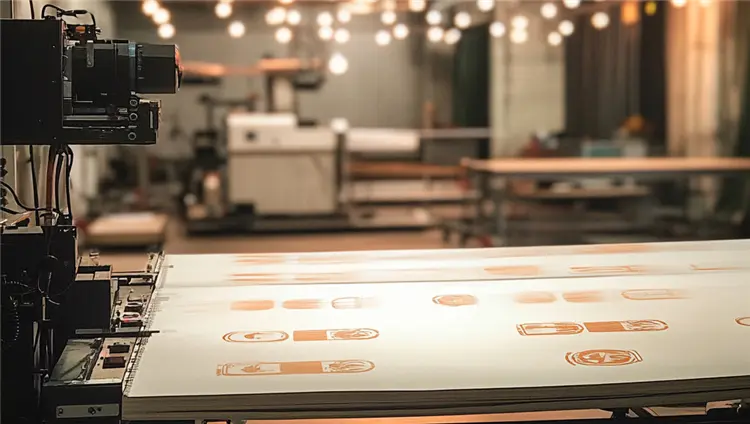
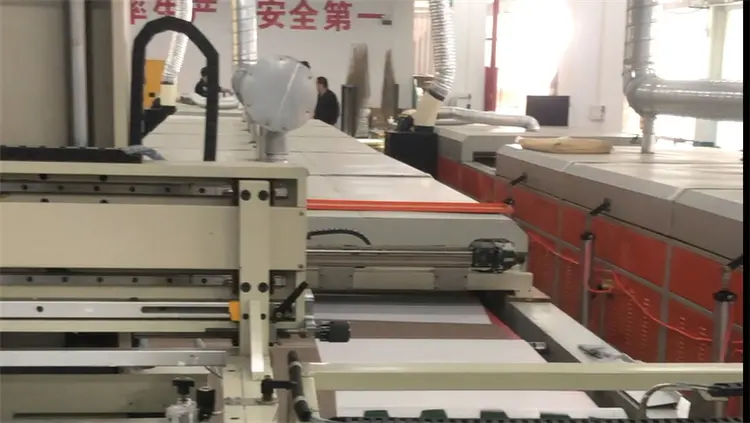
SZ Talent is a leading company with more than ten years of experience specializing in all kinds of heat transfer labels. Our comprehensive approach combines innovation, research and development, production, sales, processes and service. We are proud of our industrial automated production lines, dedicated team of technical experts and strong management system. Our focus remains on developing innovative, environmentally friendly, functional, and fashionable heat transfer products.
We adhere to the core values of quality-oriented, integrity-based, mutual benefit, promoting innovation and ensuring long-term development. Our efforts are always focused on meeting the needs of our customers.
As a well-known name in the industry, SZ Talent is known for its commitment to quality, innovation and customer satisfaction. We attach great importance to research and development and continuously introduce cutting-edge products that meet the changing needs of the market. Our commitment to excellence makes us a trusted partner for businesses looking for high-quality thermal transfer labels.
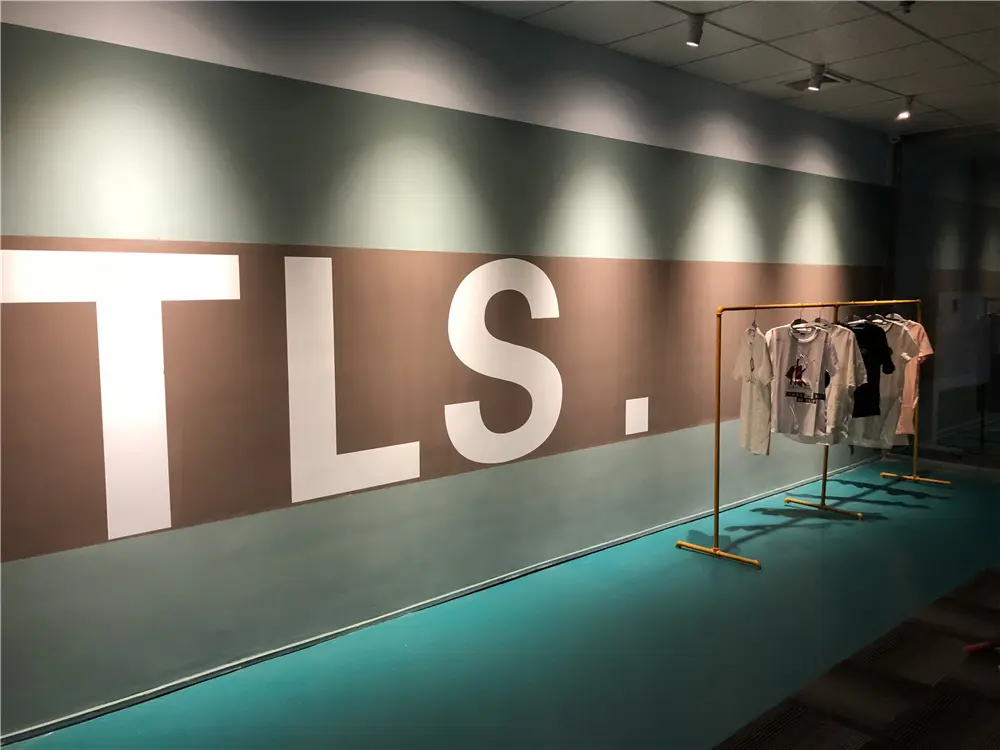
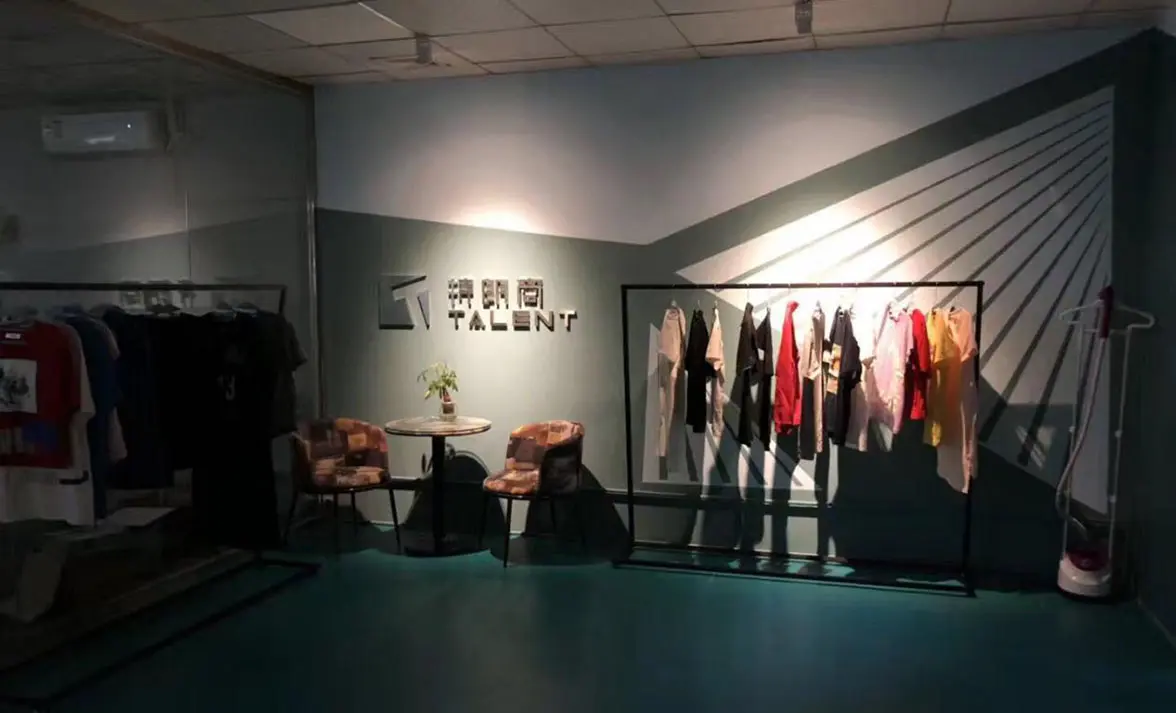
Our team is comprised of experienced professionals who are passionate about delivering exceptional service. We have a talented workforce dedicated to driving the company's growth and success. Our team members are committed to maintaining the highest quality and service standards, ensuring our customers receive the best solutions.

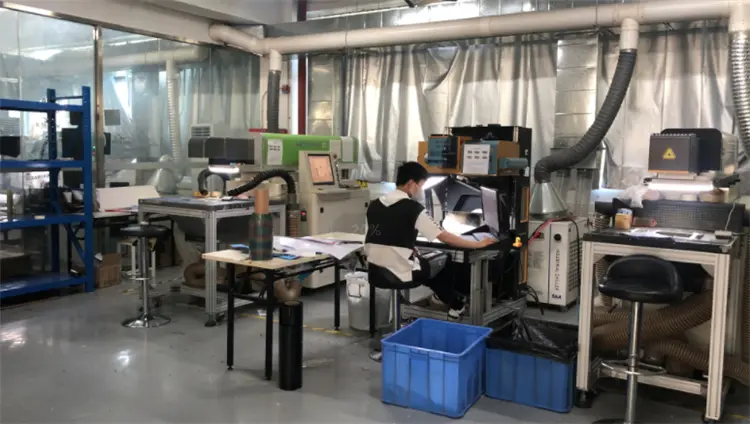
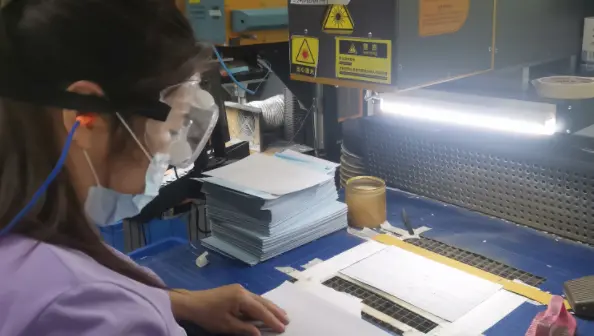
Addressing key technical concerns regarding dye migration, application temperature settings, and environmental standards.
Browse our advanced functional labels, including high-elasticity silicone, holographic visual effects, and anti-sublimation barriers.
 TALENT Industrial