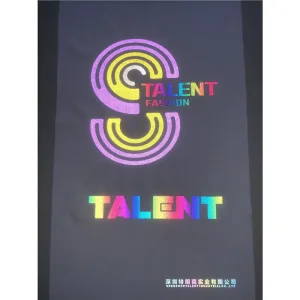
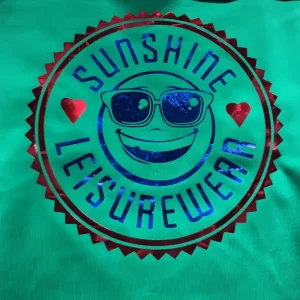
Explore our top-tier commercial-grade labels engineered for superior wash durability, precise dimensional accuracy, and exceptional tactile appeal.

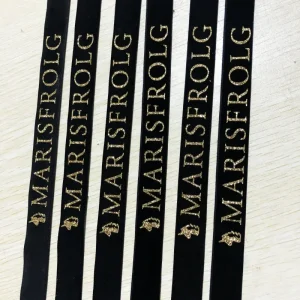
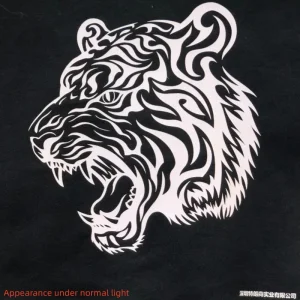

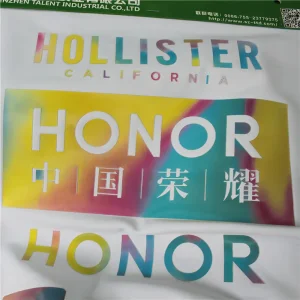

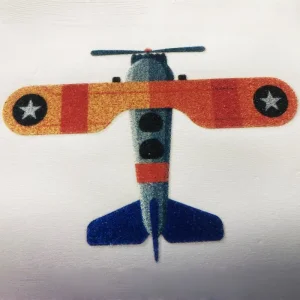
As leading global brands migrate toward lightweight, high-performance, and sustainable substrates, the demand for industrial-grade branding components has surged. The contemporary textile landscape requires customization that does not compromise physical performance. Traditional heavy woven labels and metal hardware are rapidly being replaced by 3D elastomeric silicone patches and polyurethane-based thermofusible films.
At SZ Talent, we leverage more than ten years of deep materials science expertise to formulate adhesives that bond at lower thermal transition temperatures. This process prevents fabric bruising, glossing, and fiber distortion. Our high-pressure hot melt and liquid silicone curing processes produce patches that are highly resilient, offering excellent elasticity, dynamic recovery, and chemical resistance. Whether designed for extreme outdoor exposure or intensive industrial laundering, our custom-manufactured patches preserve original brand layouts with exceptional clarity.
An analytical overview of the materials science behind our high-performance commercial-grade heat transfer solutions.
Our custom patches integrate activated-carbon composite barriers. These layers block sublimated disperse dyes from migrating into light-colored heat transfers, maintaining absolute color integrity on performance polyester substrates.
Using micro-encapsulated liquid crystals, our thermochromic and photochromic transfers undergo color transitions at precise temperature ranges (28°C to 38°C) and UV exposure levels, combining aesthetics with safety indicators.
Formulated with high-strength cross-linking polyurethane resins, our adhesives resist harsh chemical detergents, bleach, and high-heat tunnel dryers, exceeding 50 cycles of AATCC 61-2A testing protocols.
| Performance Attribute | Standard Polyurethane Transfer | 3D Liquid Silicone Patch | Multi-Process Applique |
|---|---|---|---|
| Elastomeric Stretch Recovery | Good (approx. 150%) | Excellent (approx. 350% - zero crack) | Moderate (fabric substrate dependent) |
| Dye Migration Barrier | Required (optional carbon layer) | Inherent (silicone blocks molecular drift) | Dependent on backing design |
| Application Temp. Range | 135°C - 150°C (low temp hot melt) | 145°C - 160°C (dwell time 12-15s) | 150°C - 165°C |
| Tactile / Thickness Range | 0.08mm - 0.15mm (thin profile) | 0.5mm - 2.5mm (highly structured) | 0.4mm - 1.5mm (multi-layer textured) |
| Wash Durability Class | Commercial Laundry / Home Wash | Industrial Laundry Grade | Standard Delicate Wash |
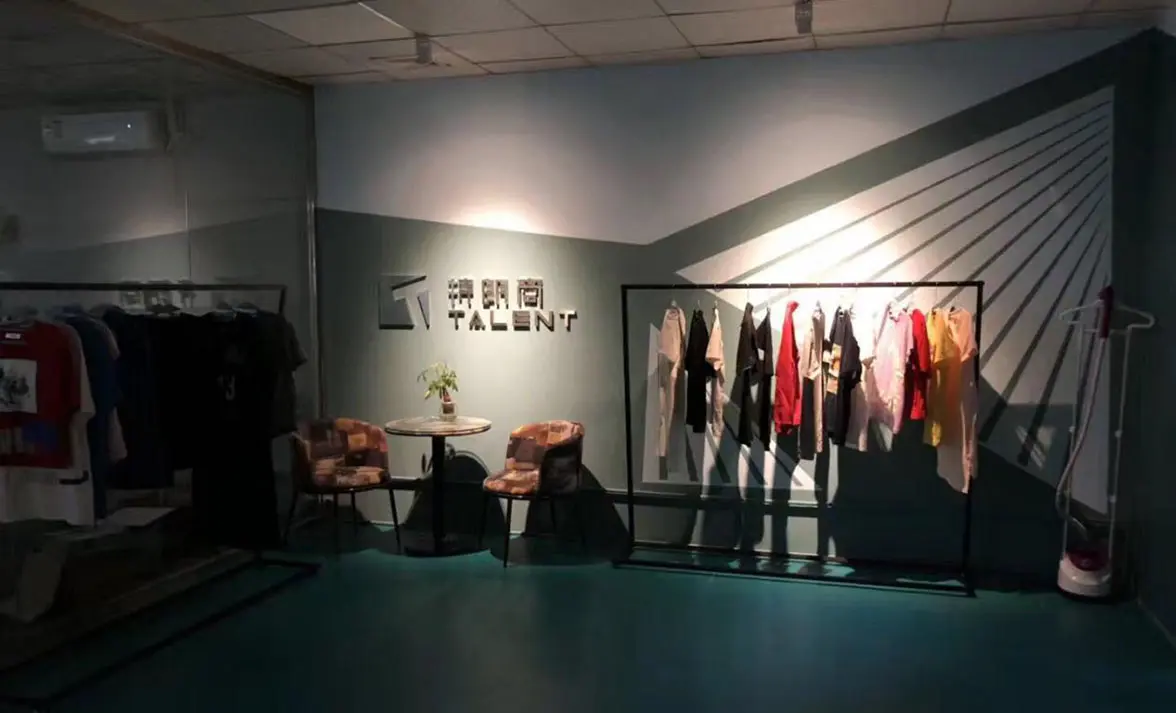
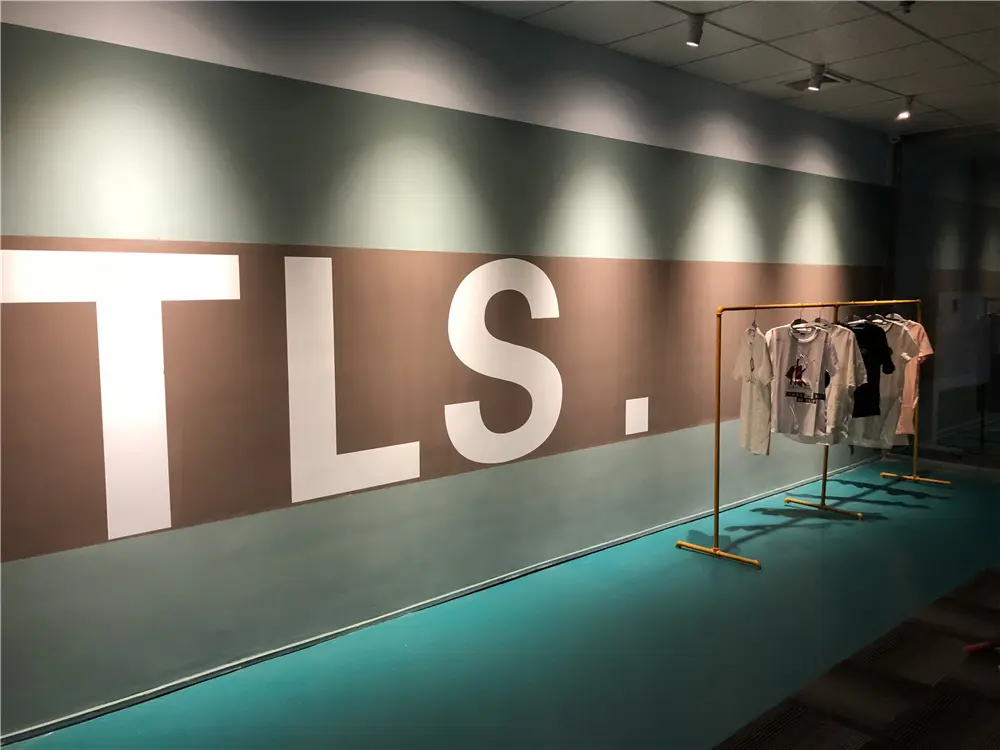
SZ Talent is a leading provider of innovative heat transfer labels and premium branding components, backed by more than ten years of industry expertise. Our operations integrate advanced material research, automated precision manufacturing, global sales, and comprehensive client service. Our automated production lines, staffed by skilled engineers, ensure consistent, high-yield manufacturing output.
We are committed to delivering eco-friendly, functional, and trend-setting heat transfer products that meet strict international environmental standards. Guided by quality, integrity, and mutual growth, SZ Talent continues to innovate, developing advanced solutions that keep our global clientele at the forefront of their industries.
The global textile and apparel industry operates on tight seasonal cycles. Our manufacturing facility in Shenzhen leverages South China’s dense industrial clusters, providing direct access to raw chemicals, polyurethane feedstocks, high-precision laser-cutting tooling, and advanced screen-printing technologies. This localized infrastructure reduces lead times and secures our production supply chain against global market fluctuations.
SZ Talent’s automated screen printing, roll-to-roll heat transfer machinery, and high-frequency silicone curing lines operate under a unified ERP control system. This integration allows us to transition rapidly from digital prototyping to high-volume production. By maintaining backup raw material inventories, utilizing dual-grid power supplies, and partnering with direct cargo routes, we ensure reliable, on-time delivery for global apparel programs.
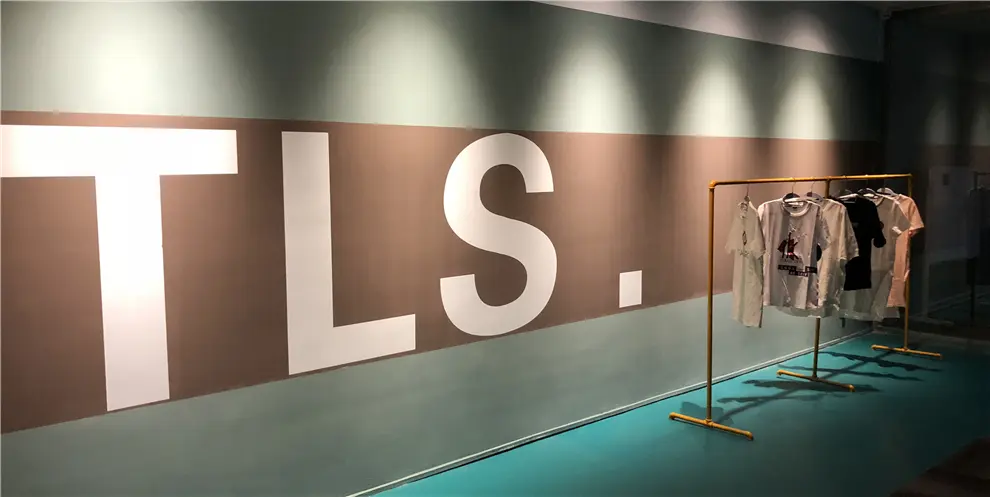
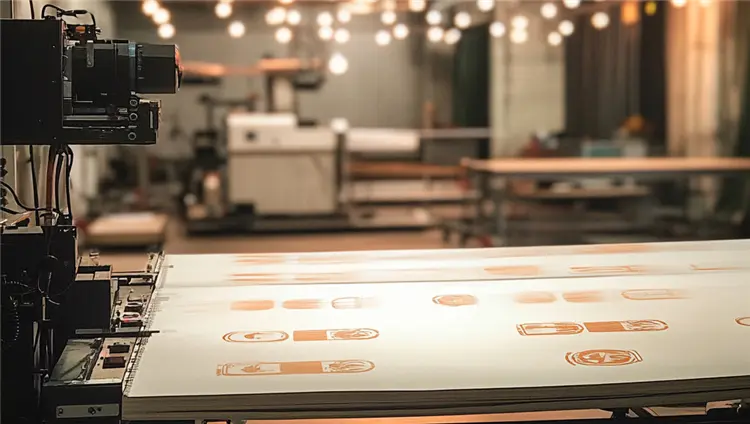
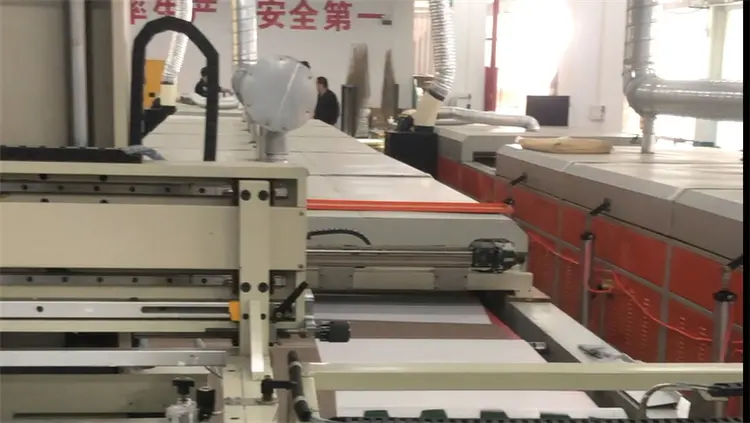
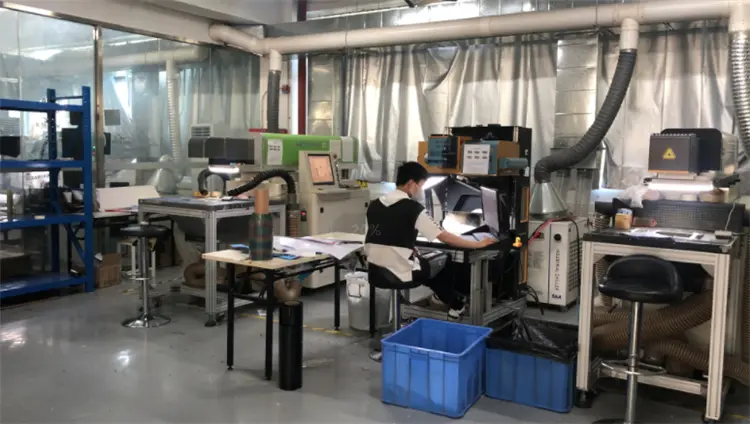
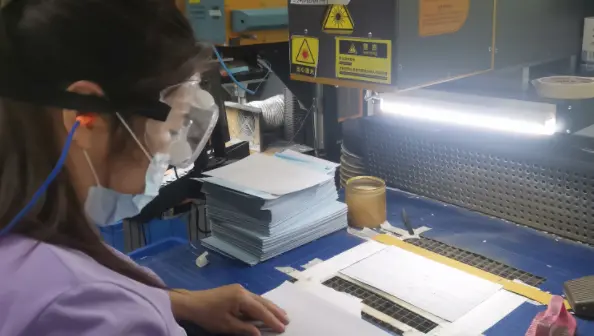
Our commercial-grade patches are designed to perform reliably in demanding work environments and high-stress athletic applications.
Engineered for corporate identity uniforms, oilfield overalls, and maintenance garments. These patches withstand high-temperature hot melt application and industrial dry cleaning without peeling or fading.
Designed for multi-way stretch compression fabrics. The ultra-elastic polyurethane inks stretch and recovery seamlessly with the textile fibers, ensuring the prints do not crack or pinch skin during movement.
Applied to water-repellent Cordura and ballistic nylons. These patches resist abrasion, ozone aging, and temperature extremes, ensuring durability on heavy-duty equipment and outdoor gear.
We source raw chemical pigments, hot-melt co-polyester adhesives, and liquid silicone bases that are free of alkylphenol ethoxylates (APEO), phthalates, formaldehyde, and heavy metals. Our production complies with major international safety standards, including OEKO-TEX Standard 100, REACH (EC 1907/2006), and CPSIA requirements.
We maintain strict quality control throughout our manufacturing processes. From incoming raw material verification (using infrared spectroscopy) to post-press tensile testing, we ensure that every batch meets clean chemical guidelines, making them safe for next-to-skin contact, sportswear, and children's apparel.
High-definition and specialized heat transfers designed for comfort, high visibility, and custom aesthetic details.
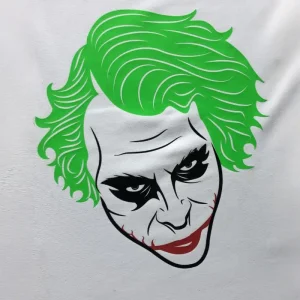
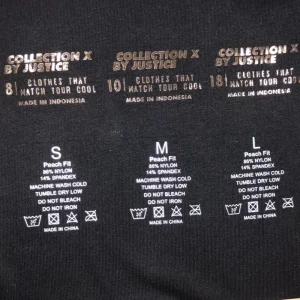
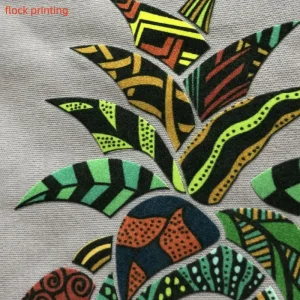

Key technical insights to guide material selection and process optimization for your custom heat transfer applications.
 TALENT Industrial