Explore our premium grade heat transfer patches, applique materials, and color-shifting solutions engineered to meet strict international apparel standards.

A comprehensive examination of retroreflective technology, material science, procurement benchmarks, and Chinese manufacturing advantages.
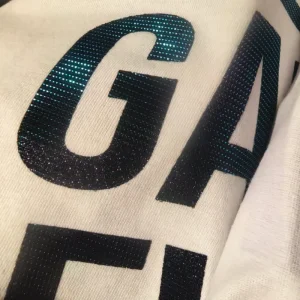
Color-shift reflective transfers (commonly known in high-performance apparel as *chameleon reflective transfers*) represent a convergence of two complex visual technologies: micro-glass bead retroreflection and optical thin-film interference. Unlike standard reflective materials that bounce light back in a single monochromatic plane, color-shift transfers manipulate light dynamically. Under direct illumination, the reflected color shifts across a spectrum (e.g., from deep violet to emerald green or bronze to cyan) depending on the observer's viewing angle and the angle of incidence.
This chameleon-like optical shift is achieved by depositing alternating nanometer-scale layers of high-refractive-index and low-refractive-index materials over the surface of aluminized retroreflective glass micro-beads. These micro-beads, typically measuring between 30 to 75 micrometers with a refractive index of $n \ge 1.93$, act as catadioptric retroreflectors. The light enters the bead, is refracted, bounces off the metallic reflective backing, passes back through the thin-film stack, and exits back toward the source.
During this journey, light waves interface with the coating layers. The waves reflect off the top and bottom boundaries of these nanolayers, causing constructive and destructive interference. When the angle of view changes, the path length of the light traveling through the layers changes, shifts the phase of the waves, and displays different wavelengths (colors) to the human eye.
China has evolved from a simple volume manufacturer into a hub for technical textile innovation. In the field of functional heat transfers and retroreflective films, Chinese manufacturers possess deep structural advantages:
Chinese industrial clusters integrate TPU chemical formulation, high-purity metal deposition, and petro-chemical adhesive plants in close proximity, minimizing supply chain disruptions and keeping raw material costs highly competitive.
Utilizing advanced industrial automated roll-to-roll slot-die coating lines, Chinese factories maintain precise control over adhesive and bead layer thicknesses down to sub-micron tolerances, ensuring uniformity across millions of units.
From laser-cutting puff foam transfers to multi-process applique solutions, Chinese factories offer fast prototyping turnarounds, custom color formulation, and scalable production to match seasonal brand demands.
For procurement officers in major activewear, athleisure, and outdoor brands, sourcing decorative elements is not just about aesthetics—it is about long-term product viability and compliance. The table below lists the technical validation standards required when sourcing high-grade color-shift and functional transfers:
| Performance Attribute | Testing Method / Metric | Global Industry Standard | B2B Quality Benchmark |
|---|---|---|---|
| Reflectivity Values | EN ISO 20471 / ANSI 107 | Minimum retroreflection values at specific angles | > 100 cd/(lx·m²) at 5° entrance angle |
| Laundering Resistance | ISO 6330 Method 6N (60°C) | Evaluated after 25 to 50 home washing cycles | Zero peeling, bubbling, or degradation of color-shift film |
| Elasticity & Recovery | ASTM D4964 (Stretch Fabric Test) | Compatibility with high-spandex blends (Nylon/Lycra) | > 100% elongation with ≥ 95% elastic recovery |
| Chemical Compliance | OEKO-TEX Standard 100 Class I | Free from heavy metals, phthalates, and formaldehyde | Certified safe for direct skin contact, including infant apparel |
| Dye Migration Prevention | AATCC Method 163 (Color Bleeding) | Barrier capacity to stop polyester sublimated dyes | Grade 4-5 on the AATCC grey scale |
Color-shift reflective technology is not limited to decorative elements. Modern brands use it as a core component of structural garments and protective equipment:
High-contrast accents on side panels and logos provide 360-degree reflectivity for dusk and nighttime running, shifting colors under street lights for a modern look.
Applied to heavy shell fabrics, backpacks, and tactical outerwear. Built with thick polyurethane hot-melt layers to withstand sub-zero temperatures and high abrasion.
Our specialized dye migration-proof transfers integrate an active carbon barrier layer to prevent back-heating dyes from discoloring bright reflective logos.
Die-cut panels and molded transfers on performance sneakers. These materials withstand repeated creasing and extreme environments.
A global leader specializing in automated production lines, research and development, and custom thermal transfers.
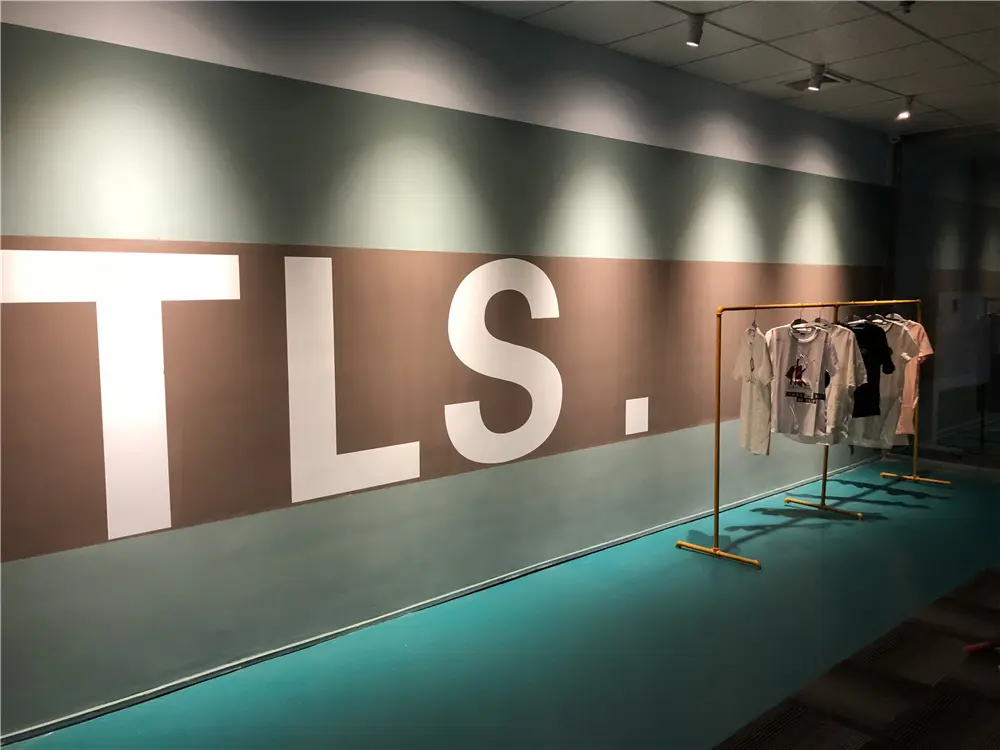
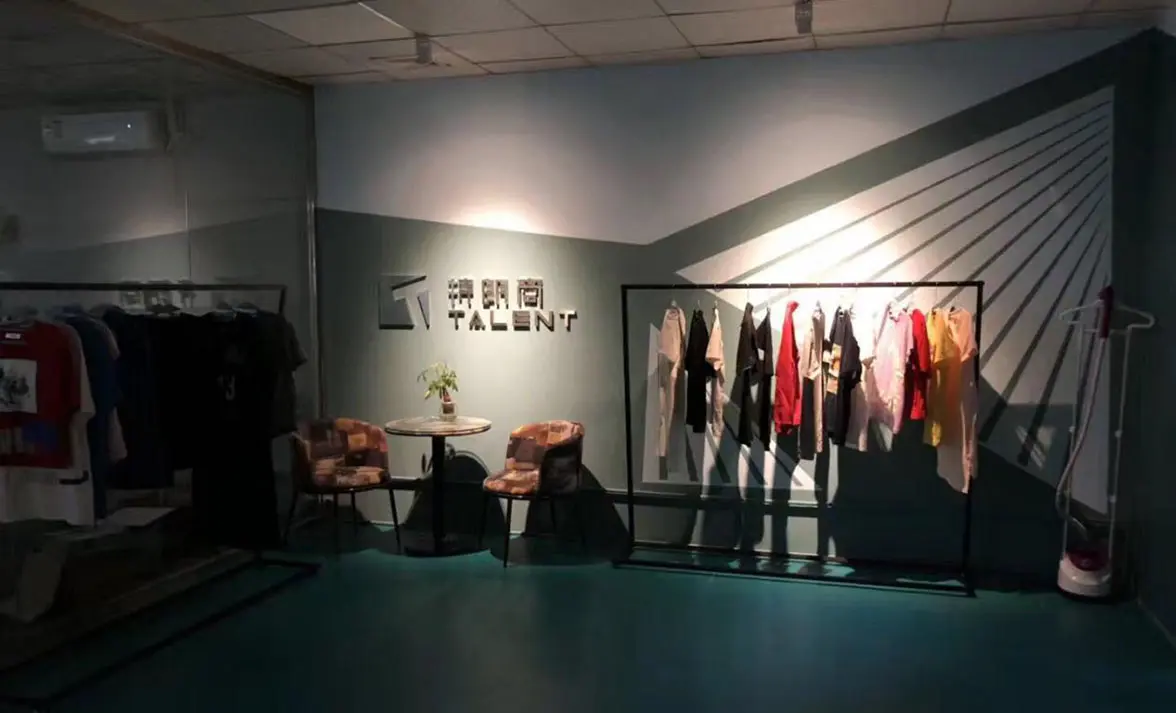
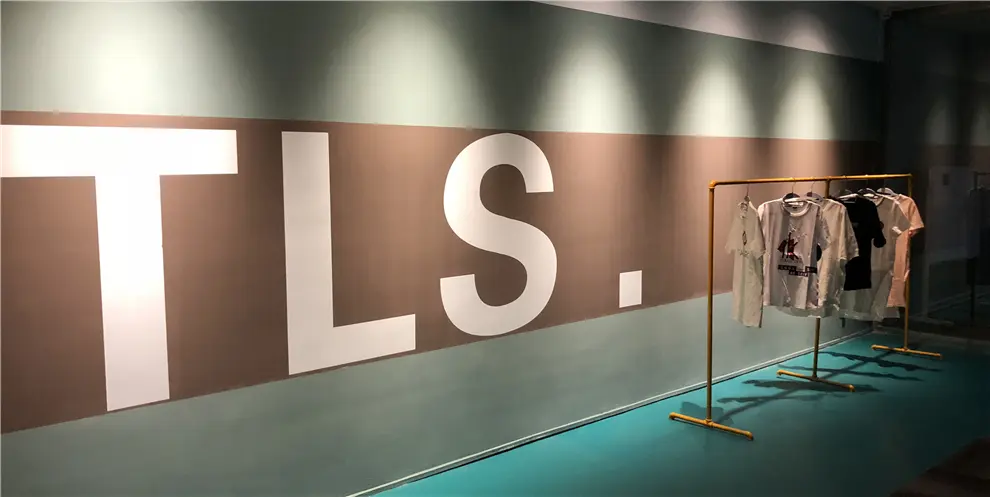
SZ Talent is a well-known name in the industry, known for its commitment to quality, innovation and customer satisfaction. We attach great importance to research and development and continuously introduce cutting-edge products that meet the changing needs of the market. Our commitment to excellence makes us a trusted partner for businesses looking for high-quality thermal transfer labels.
Our team is comprised of experienced professionals who are passionate about delivering exceptional service. We have a talented workforce dedicated to driving the company's growth and success. Our team members are committed to maintaining the highest quality and service standards, ensuring our customers receive the best solutions.
Over the years, we have experienced significant growth and expansion due to our unwavering commitment to excellence. We continuously invest in advanced technologies and processes to increase our production capabilities and meet our customers' growing needs. Our continued growth is a testament to our commitment to providing exceptional products and services.
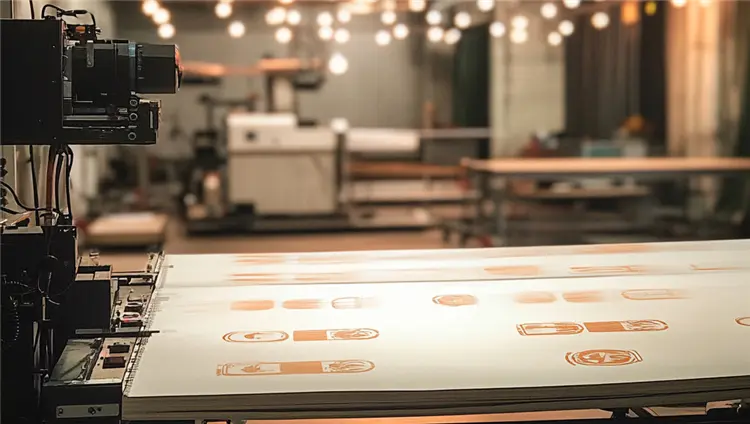
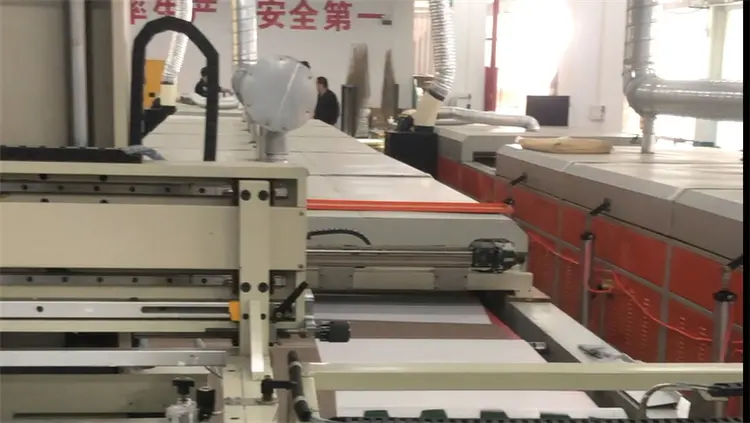
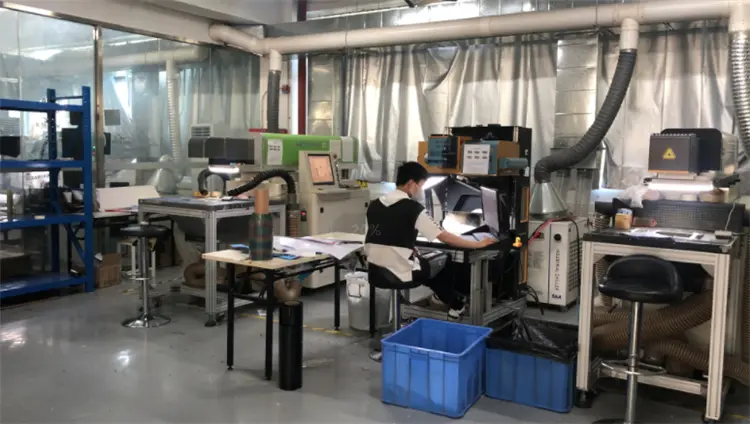
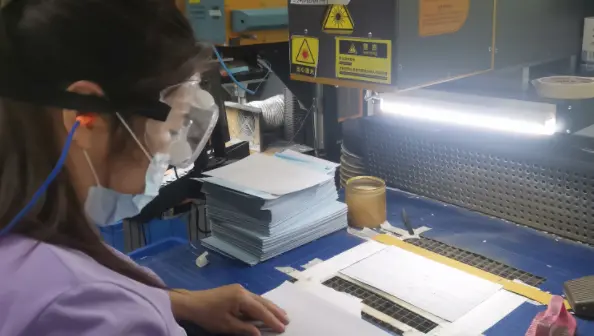
Our state-of-the-art facilities are equipped with the latest technology to ensure efficient production and high-quality output. We have made significant investments in infrastructure to create an enabling environment for innovation, research and development. Our facilities are designed to meet the highest industry standards and meet the diverse needs of our customers.
How the market is evolving toward eco-conscious formulations, multi-dimensional structures, and low-temperature curing.
Global legislation and ESG targets are pushing brands away from traditional PVC backings. Industry pioneers are utilizing recycled PET carriers combined with water-based polyurethane adhesives to lower volatile organic compound (VOC) emissions during production.
To protect delicate, heat-sensitive synthetic materials like ultra-thin nylon and specialized spandex blends, manufacturers are formulating hot melt adhesives that cure at 110°C - 120°C, reducing thermal distortion of the face fabric.
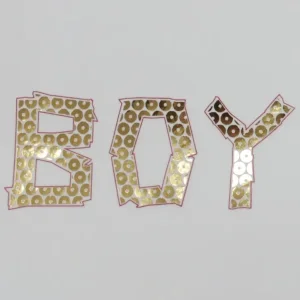
Combining multiple processes—such as 3D laser-cut foam, silicone printing, and retroreflective films—into a single layered transfer. This creates tactile, high-relief textures that enhance brand premiumization.
Because color-shift transfers utilize a multi-layered optical coating over glass beads, they require higher precision in protective layering than silver transfers. Premium color-shift transfers feature an integrated polyurethane barrier coat that prevents oxidation of the micro-beads' metallic layer. Under proper heat press parameters, high-quality transfers match silver vinyl, passing up to 50 home washing cycles at 60°C (ISO 6330) without significant color degradation.
Application depends on the base fabric, but standard industrial heat-press settings are:
Sublimated polyester contains dispersed dyes that can vaporize and migrate into the heat transfer under high temperatures. We integrate a dedicated anti-migration barrier layer (containing microscopic carbon structures) between the adhesive and the reflective layer to block gasified dye molecules, keeping the colors sharp and clear.
Yes. Our heat transfer labels are certified to OEKO-TEX Standard 100 Class I. They are tested to ensure they do not contain harmful heavy metals, formaldehyde, phthalates, or alkylphenol ethoxylates (APEOs), making them safe for children's wear.
Standard lead times for custom colors and shapes range from 7 to 10 working days after digital layout approval. The MOQ starts at 500 sheets or equivalent roll length, allowing both mid-tier and high-tier brands to run seasonal production cycles without excess inventory.
High-stretch, coating-grip, and uv-reactive transfer configurations engineered to bond with technical textiles and waterproof surfaces.
 TALENT Industrial