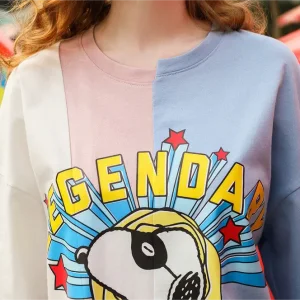
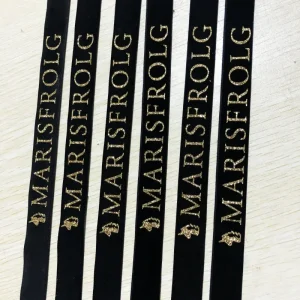
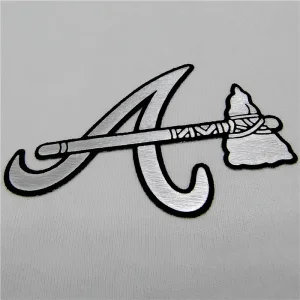
In the modern textile and brand embellishment landscape, branded heat transfer labels have transitioned from simple identifier tags to critical functional layers. At SZ Talent, we have built over ten years of industry-leading manufacturing expertise specializing in advanced heat transfer technology. Our system seamlessly integrates research and development, physical-chemical testing, automated fabrication, global sales operations, and precision application service support.
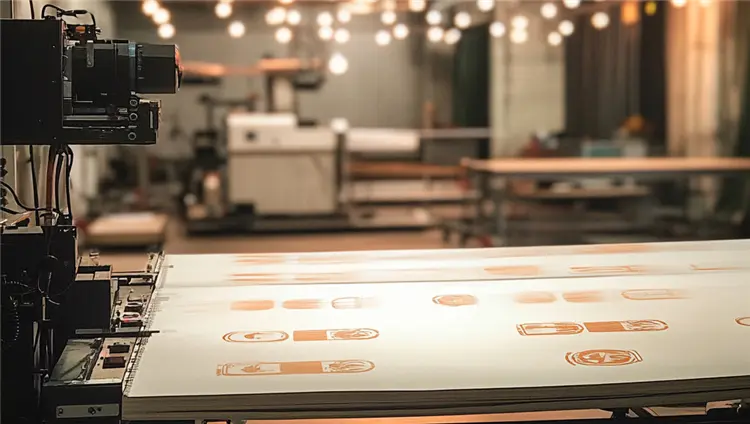
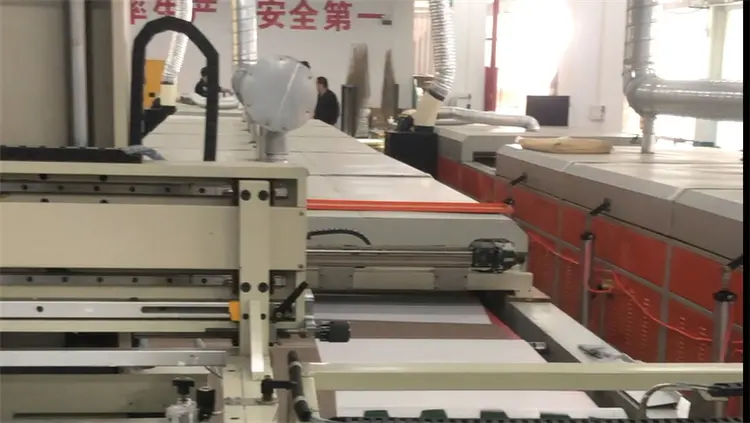
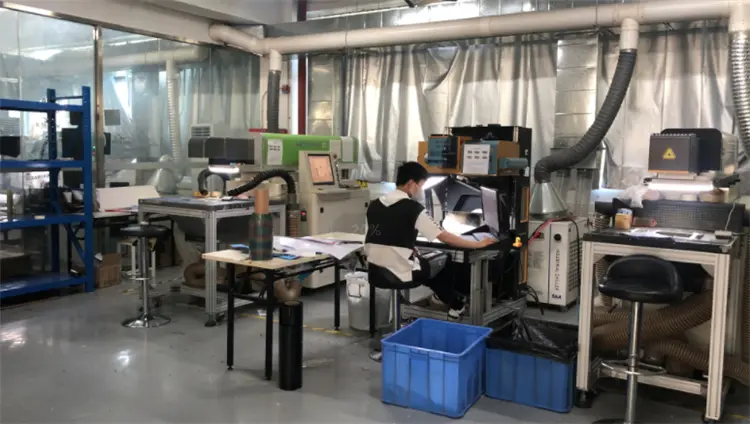
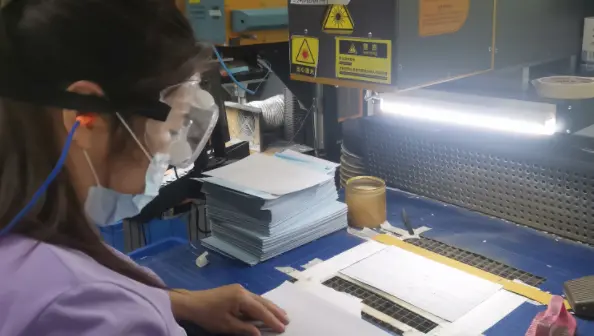
Our state-of-the-art facility features automated silk-screen printing lines, high-precision laser cutters, and multi-layered quality control modules. This industrial machinery allows us to engineer products that exhibit not only aesthetic superiority but also exceptional chemical resistance and mechanical resilience. Operating under values of high-integrity collaboration and absolute quality compliance, we strive to engineer branding solutions that withstand the rigors of modern textile processing and long-term end-consumer usage.
Procurement directors and quality assurance managers at multinational apparel enterprises encounter severe structural issues when sourcing heat transfer labels. The modern labeling solution must deliver aesthetic value while matching the mechanical performance profile of the substrate textile.
Global regulatory regimes such as REACH (EU), CPSIA (US), and the strict eco-toxicological criteria of OEKO-TEX® Standard 100 dictate that no toxic plasticizers, heavy metals, or carcinogenic colorants exist in apparel components. For labels direct-contacting skin, manufacturers must use water-based inks and solvent-free hot melt adhesives that ensure zero volatile organic compound (VOC) emissions while sustaining high bonding force.
Substrates containing high spandex or elastane blends, such as compression garments, yoga wear, and cycling kits, require highly elastic thermal labels. If the tensile modulus of the heat transfer film does not match the fabric, the label will crack, peel, or warp the garment. Enterprise-grade transfers must guarantee stretch elasticity of up to 200% recovery with zero adhesive fatigue.
Branded labels must maintain high legibility and color intensity throughout the garment’s operational lifespan. Our custom-engineered formulations undergo continuous cycle testing, enduring more than 50 cycles of standard domestic machine washing at 60°C and specialized commercial dry-cleaning cycles without experiencing edge lifting or surface disintegration.
Industrial thermal application requires a broad parameter tolerance window (dwell time, temperature range, and mechanical pressure). A narrow application window increases scrap rates during manufacturing. SZ Talent’s adhesive formulations melt uniformly across a wide range (130°C to 150°C), minimizing fabric scorch marks while maximizing cross-linking speed.
Synthetic fabrics like 100% polyester or poly-blends dyed with disperse dyes suffer from "dye migration." During heat application (or storage), dye molecules sublimate and travel upward into the transfer label, causing discoloration.
SZ Solution: We formulate an active carbon barrier layer within the transfer stack that absorbs migrating dye molecules, ensuring clean white graphics on deep red/navy fabrics.
Traditional flat labels lack visual depth. 3D Silicone transfers offer high-build dimensional relief with rubberized touch profiles. Ideal for chest logos on premium outerwear, they offer superior abrasion resistance.
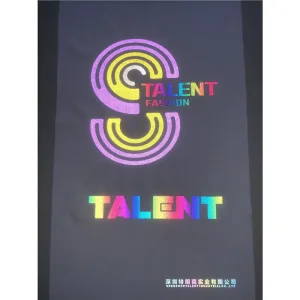
SZ Solution: Utilizing liquid silicone rubber injected into precision molds, paired with prismatic micro-lens arrays for striking holographic light-diffraction effects.
Critical for safety apparel, activewear, and athletic lifestyle branding. These transfers must return incoming light beams back to the observer, or emit persistent glow in low-light conditions.
SZ Solution: Retroreflective glass beads (refractive index > 1.9) and high-density zinc sulfide phosphorescent pigments embedded in highly elastic polyurethane matrices.
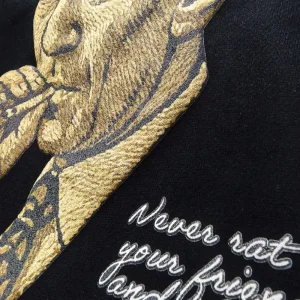
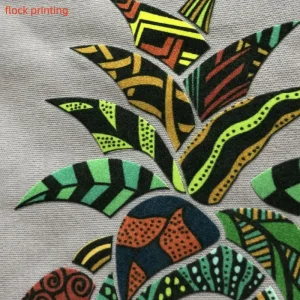
Flock heat transfers utilize short monofilament fibers (often nylon or viscose) oriented vertically via electrostatic fields to produce a velvet, suede-like tactile response.
SZ Solution: Electrostatic fiber orientation achieves high flock density (over 10,000 fibers/cm²), providing wash-fast fiber retention that resists shedding.
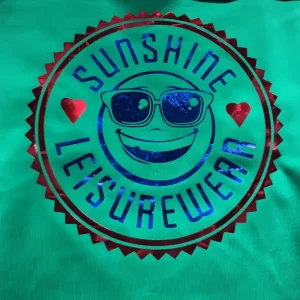
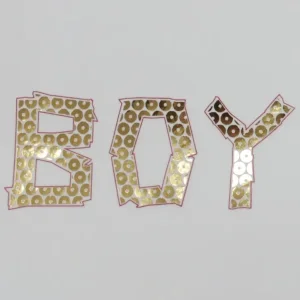
Metallic foils offer chrome-like mirror finishes, while caviar beads utilize tiny, clear glass spheres arranged in dense patterns to create a high-relief, shimmering texture.
SZ Solution: Laser-cut carrier films ensure clean-cut metallic edges, and high-tenacity polymers secure caviar beads during domestic machine laundering.
Thermochromic ink systems undergo reversible color transitions when exposed to distinct thermal shifts, introducing a dynamic, interactive aesthetic to the garment.
SZ Solution: Organic micro-encapsulated liquid crystal dyes tuned to specific temperature thresholds (e.g., 28°C or 31°C) to enable rapid color shifts.
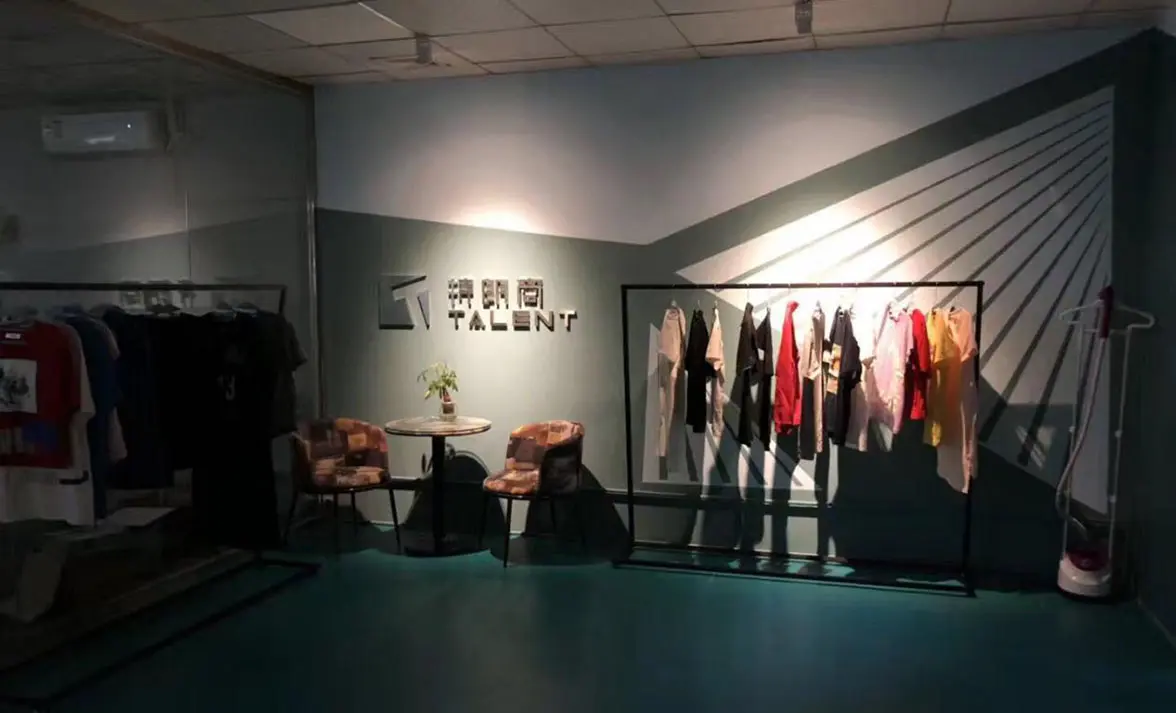
Sourcing heat transfer labels from China factories offers unmatched structural advantages, primarily driven by industrial cluster efficiency, raw material access, and advanced automation. As an integrated manufacturer, SZ Talent manages these variables to deliver significant cost-efficiency and supply chain reliability.
Our facilities leverage local supply chains for specialized polymers, pigments, and high-release PET films. This localized integration reduces transportation overhead and lead times. By utilizing automated silk-screen presses and optical inspection systems, we minimize manual labor dependency, ensuring consistent quality and high yield for high-volume orders.
Furthermore, our R&D capabilities allow us to rapidly develop custom formulations in response to emerging fabric trends. This agility ensures that we can quickly develop optimized bonding agents for new recycled fiber blends or water-repellent performance fabrics.
SZ Talent operates a global delivery and support network. We provide technical assistance to ensure smooth application on production lines in Southeast Asia, Central America, and Europe.
Certifications including OEKO-TEX Standard 100 Class I (safe for infants), REACH compliance, CPSIA conformity, and ZDHC (Zero Discharge of Hazardous Chemicals) level alignment.
We offer field-application training for overseas contract manufacturers, assisting in calibrating temperature, dwell time, and pressure settings to reduce rejects.
Strategic logistics partnerships ensure stable transport times, duty-free clearance support, and emergency production capabilities during peak apparel seasons.
Different textile fibers exhibit varying thermal properties. Achieving high bonding strength without damaging the substrate requires choosing the correct transfer configuration.
| Fabric Substrate | Common Challenges | Recommended Heat Transfer Option | Optimal Transfer Conditions |
|---|---|---|---|
| 100% Dyed Polyester | Disperse dye sublimation, color bleeding. | Dye Migration-Proof Transfer Patch | 130°C–140°C | 12–15s | 3–4 Bar |
| Nylon / Spandex Blends | High elastic recovery, thermal sensitivity. | Super-Stretch Polyurethane / 3D Silicone | 135°C–145°C | 10–12s | 3 Bar |
| Cotton / Fleece / Terry | Surface texture roughness, fiber penetration. | Flocked Heat Transfer / Caviar Bead | 150°C–160°C | 15s | 4 Bar |
| Water-Resistant Outerwear | Hydrophobic surface coatings limit adhesion. | High-Bond Polyamide Adhesives | 145°C–155°C | 15s | 4 Bar |
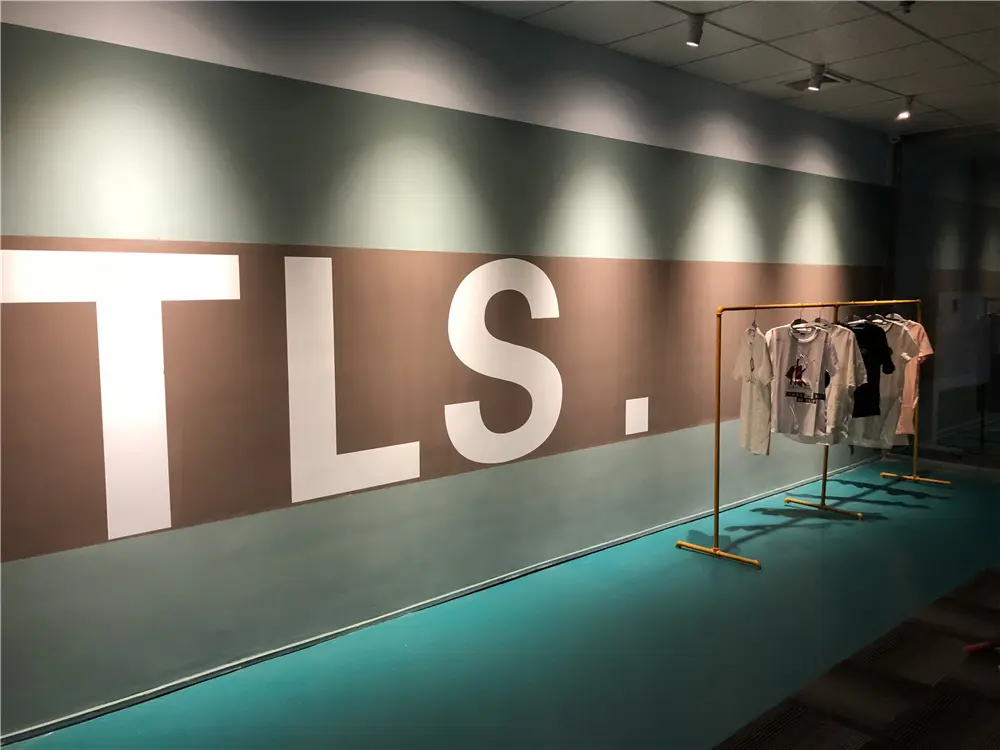
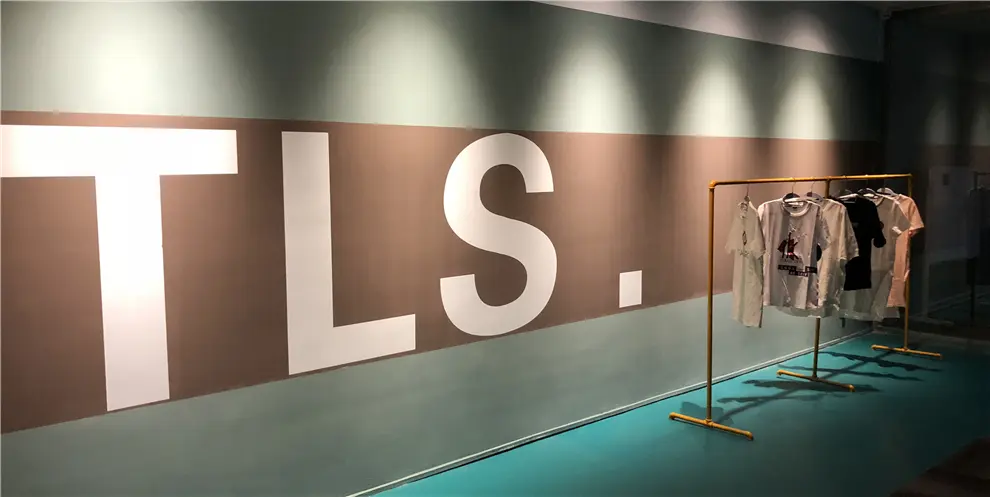
Our company profile is defined by a commitment to quality, technology, and customer satisfaction. To maintain our position in the thermal transfer industry, we continually invest in production infrastructure and employee development.
Our state-of-the-art facility is equipped with automated machinery to ensure precise manufacturing and consistent quality control. Our team includes experienced engineers and material scientists focused on developing new bonding agents and print methods. This focus on operational efficiency and technology enables us to deliver reliable products to our international clients.
Over the years, we have scaled our production capacity by integrating advanced screen-printing and drying lines. This scaling allows us to support both large-scale production runs and specialized custom orders, helping clients maintain consistent quality as they grow.
 TALENT Industrial