What Is Heat Apparel and How Does It Work?

Time:2026-09-12 Author:Madeline
0%

Heat Apparel refers to clothing designed to provide controlled warmth through built-in heating elements, insulated materials, or both. Unlike ordinary winter layers, it can generate heat near the chest, back, hands, or feet. A rechargeable battery usually powers thin conductive panels. These panels warm gradually when electricity passes through them.

In practical use, Heat Apparel may help during early commutes, outdoor work, hiking, or cold stadium seats. You might feel warmth across your upper back within a few minutes. Many products offer several temperature settings, allowing users to adjust comfort as conditions change. Some designs include sensors that regulate output, while others rely on manual controls connected to a phone or garment button.

The technology sounds simple, but performance depends on more than heating power. Battery capacity, fabric fit, wind resistance, moisture, and washing instructions all affect results. A loose jacket may allow heat to escape quickly. A damp layer may feel cold despite functioning heaters. Product claims should be checked against independent testing, clear specifications, and user experience in realistic weather.

It is not magic.

This guide examines how Heat Apparel creates warmth, how its components work together, and what buyers should consider before choosing a product. It also addresses charging, maintenance, comfort, and basic safety practices. Heating clothing can improve cold-weather comfort, but it cannot replace suitable insulation or responsible weather planning. Some advertised benefits may appear broader than the available evidence. Careful comparison remains essential.
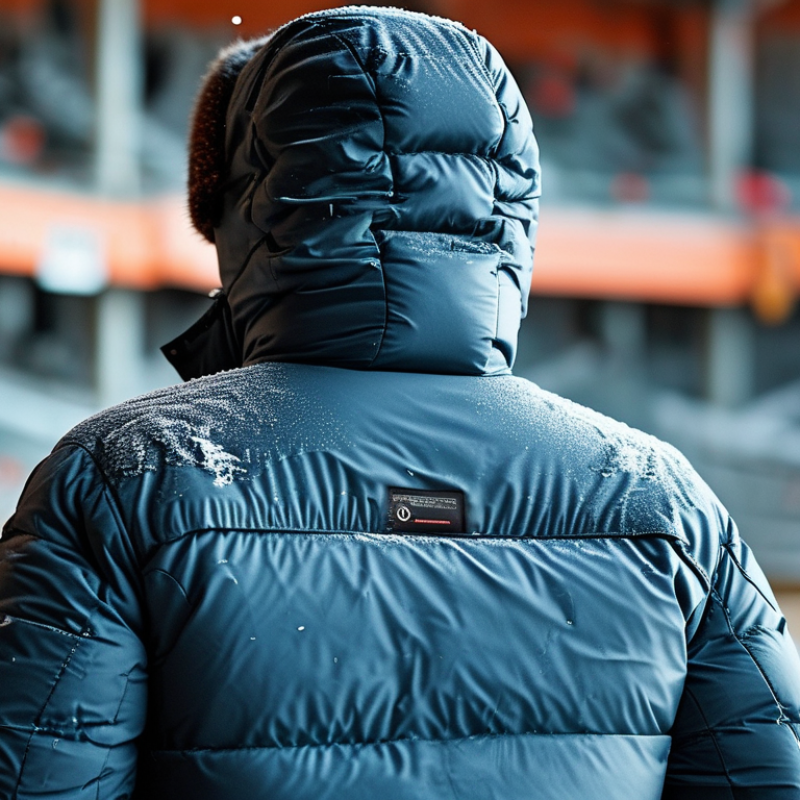
What Is Heat Apparel and How Does It Work?

Heat Apparel Defined: Wearable Garments with 5–15 W Heating Zones

What Is Heat Apparel and How Does It Work?

Heat apparel means wearable garments with built-in heating zones, usually rated between 5 and 15 watts. Thin conductive elements warm the chest, back, collar, or hands. A rechargeable battery supplies controlled electrical current. Sensors and controllers then adjust heat levels.

The wattage matters. A 10-watt setting running for eight hours requires about 80 watt-hours before conversion losses. Cold temperatures can reduce battery performance. Clothing insulation also changes the result. A 2024 report from Grand View Research identifies battery-powered heated clothing as a growing technical apparel segment, driven by outdoor work and recreational use. However, market forecasts are not laboratory proof. They may also group heated socks, jackets, and accessories together.

Independent testing should examine surface temperature, battery endurance, wash durability, and heat distribution. Safety guidance under IEC 60335-2-17 addresses electrically heated blankets and similar flexible heating products, but garment construction still needs careful evaluation. The label alone can mislead. Higher wattage does not always mean greater comfort.

Tips: Check the battery’s watt-hour rating, not only its milliamp-hour number. Wear a dry base layer beneath the garment. Keep heating panels flat and avoid folded cables. Stop using the garment if the battery, wiring, or fabric becomes unusually hot. I would also test it during a short outdoor session before trusting the advertised runtime.

Heat Apparel: Heating Power and 8-Hour Energy Use

Heat apparel uses electrically powered heating zones that typically operate within a 5–15 watt range. The chart shows the estimated energy consumption for eight hours of continuous operation: energy use is calculated as power multiplied by time.

Heating Technology: Carbon-Fiber Elements Operating at 35–60°C

What Is Heat Apparel and How Does It Work?

Heating apparel uses flexible carbon-fiber elements to create steady warmth near the body. These elements resist electrical current and convert battery power into heat. Most systems operate between 35°C and 60°C, depending on the selected setting. Lower temperatures support gentle, continuous warmth. Higher settings help during short exposure to severe cold.

The heat usually spreads across the chest, back, or upper arms. Carbon fiber is useful because it remains flexible and distributes warmth more evenly than rigid metal wires. A temperature controller adjusts current through several heating zones. Some garments also use sensors, but sensor accuracy can vary with movement and moisture. That limitation matters.

According to the International Energy Agency’s Global EV Outlook 2024, lithium-ion battery pack prices fell by 14% in 2023. Lower battery costs may improve portable heating systems, although apparel still requires careful power management. The IEA also highlights battery performance losses in cold conditions. This explains why heating apparel may feel weaker outdoors than indoors.

Thermal comfort is not only about temperature. ASTM F2732 evaluates clothing insulation under controlled conditions, while ISO 11079 assesses cold stress and required clothing insulation. These standards remind users that wind, humidity, activity, and fit all change performance. A jacket rated at 60°C does not mean the fabric surface reaches that temperature everywhere. Poor contact can create cold patches. Excessive heat can also cause discomfort or skin irritation, especially during long wear. Practical testing remains essential. The numbers help, but they are not perfect.

Power Systems: Typical 7.4 V Lithium-Ion Battery Packs

Heat apparel relies on compact power systems, and 7.4 V lithium-ion battery packs are common because they balance voltage, weight, and heat output. A 7.4 V pack usually contains two 3.7 V cells connected in series. Its fully charged voltage reaches about 8.4 V.

Capacity is measured in ampere-hours. A typical 2,600 mAh pack stores about 19 Wh at its nominal voltage. A 5,200 mAh pack stores roughly 38 Wh. For a 10 W heating system, this suggests 1.9 to 3.8 hours of operation. Real use is shorter. Cold weather, wiring resistance, battery age, and controller losses all reduce runtime. That estimate is not perfect.

The International Energy Agency reported that lithium-ion battery pack prices fell 14% in 2023, supporting wider use of rechargeable heating systems. However, lower cost does not remove safety requirements. IEC 62133-2 addresses safety testing for portable sealed secondary lithium cells and batteries. A reliable apparel pack should include cell balancing, overcharge protection, over-discharge protection, and temperature monitoring. The Battery University notes that lithium-ion cells perform poorly in freezing conditions, while high temperatures accelerate aging. Keep the pack close to the body, but never under heavy pressure. Inspect cables before use. Stop using damaged packs. A small display showing charge percentage would also improve practical reliability, because voltage alone can mislead users.

Performance Factors: Heat Levels, Runtime, and 2–10 Hour Use

What Is Heat Apparel and How Does It Work?

Heat apparel uses thin conductive elements to warm areas such as the chest, back, or hands. Its real performance depends on more than the highest temperature setting. Low heat may feel gentle and steady, while high heat can drain a battery quickly in freezing wind. The U.S. Department of Energy’s Energy Storage Grand Challenge Roadmap explains that usable battery energy depends on capacity, temperature, and conversion losses.

A 10,000 mAh battery at 3.7 volts stores about 37 watt-hours. If a garment averages 5 watts, its theoretical runtime is 7.4 hours. Real use may deliver five to seven hours.

That gap matters.

A two-hour session often reflects high heat, weak insulation, or cold battery conditions. Medium heat commonly supports longer outdoor use, while low heat can approach eight to ten hours in favorable conditions. NIOSH’s Criteria for a Recommended Standard: Occupational Exposure to Heat and Hot Environments emphasizes workload, clothing, airflow, and environmental conditions.

Those factors also change perceived warmth inside heated clothing. Wind can make the same setting feel ineffective. Thick layers may trap heat better, but they can also restrict movement and moisture release.

I have found runtime claims useful, yet incomplete. Battery age, washing practices, and loose contact between fabric and body can reduce performance. A longer runtime does not always mean better comfort.

Safety Requirements: Temperature Controls and Lithium-Battery Care

What Is Heat Apparel and How Does It Work?

Safety Requirements: Temperature Controls and Lithium-Battery Care

Heat apparel uses small heating elements to warm areas such as the chest, back, or hands. A rechargeable lithium battery supplies the electrical energy. Temperature controls then adjust the heat through several settings. The garment should feel comfortably warm, never painfully hot. Skin sensation can change in cold weather, so discomfort may arrive later than expected.

A reliable safety routine begins with inspection. Check the wiring, connectors, fabric, and battery casing before every use. Do not use the garment if the battery is swollen, cracked, leaking, or unusually hot. Keep the battery and connector dry. Moisture can create faults, even when the damage is difficult to see. Avoid folding heating zones tightly during operation. Loose layers allow heat to escape and reduce pressure against the skin.

Lithium batteries need careful charging. Use the supplied charging equipment and place the battery on a hard, nonflammable surface. Never charge it under bedding, inside a bag, or near a heater. Unplug it after charging, then store it partly charged in a cool, dry place. Do not leave it in a hot car. If the battery smells strange, smokes, or heats rapidly, stop using it and move away from the garment. Do not open or repair the battery yourself. This sounds obvious, yet rushed charging remains an easy mistake. Temperature controls help, but they cannot correct damaged equipment or careless handling.

What Is Heat Apparel and How Does It Work? - Safety Requirements: Temperature Controls and Lithium-Battery Care
Safety Area Requirement or Data Point Recommended Practice Reason User Check
How Heat Apparel Works Low-voltage electrical heating elements are integrated into areas such as the chest, back, collar, gloves, socks, or insoles. Power the heating elements only with the battery pack and cable specified for the garment. Keep connectors fully inserted and dry. Electrical resistance in the heating elements converts battery energy into controlled heat. Inspect cables, connectors, and heating zones before use.
Temperature Control Many heated garments provide multiple heat levels rather than one fixed temperature. Begin on the lowest setting and increase it gradually. Use the lowest comfortable setting needed for the conditions. Lower settings reduce the risk of overheating and generally extend battery runtime. Reduce or switch off heat if skin feels hot, painful, numb, or irritated.
Temperature Limitation There is no single universal maximum temperature for all heat apparel; performance depends on design, sensors, clothing layers, and ambient conditions. Follow the product’s stated temperature range and automatic shut-off instructions. Do not modify the controller or bypass thermal protection. Uncontrolled heating can cause discomfort, burns, material damage, or battery stress. Do not rely on a generic temperature value as a substitute for the product manual.
Direct Skin Contact Prolonged contact with warm surfaces can cause low-temperature burns, especially when sensation is reduced. Wear a suitable base layer between the heating area and skin. Avoid sleeping while the heating function is operating. Lower heat may still injure skin when applied continuously or when the user cannot notice excessive warmth. People with reduced temperature sensitivity should use extra caution and seek medical advice when appropriate.
Moisture Protection Garment fabric may be water-resistant, but the battery pack, controller, and connectors may have different protection limits. Keep the battery and electrical connections dry unless the complete system is specifically rated for the exposure. Disconnect power before cleaning. Water can cause short circuits, corrosion, malfunction, or electric shock risk in damaged systems. Do not use a wet, damaged, or visibly corroded battery or connector.
Battery Chemistry Rechargeable lithium-ion battery packs are commonly used because they store substantial energy in a compact form. Use only a compatible charger and battery pack with matching voltage, connector, and charging specifications. Incorrect charging equipment can cause overheating, battery damage, fire, or loss of protection functions. Never connect an unknown, altered, or incompatible battery to the garment.
Charging Temperature Lithium-ion batteries should generally be charged within the charger or battery manufacturer’s stated range; 0°C to 45°C (32°F to 113°F) is a common reference range. Charge at room temperature on a dry, hard, non-combustible surface. Allow a battery that is very cold or hot to return to a suitable temperature before charging. Charging outside the approved range can reduce battery life and increase the risk of internal damage or overheating. Stop charging if the battery becomes unusually hot, swells, leaks, smells abnormal, or makes unusual sounds.
Operating Temperature Permitted discharge temperatures vary by battery design; many lithium-ion cells are specified for approximately −20°C to 60°C (−4°F to 140°F). Use the exact operating range supplied with the apparel and battery. Cold conditions can temporarily reduce power and runtime. Extreme temperatures can affect battery performance, protection circuits, and service life. Keep the battery insulated from extreme cold without placing it directly against a strong heat source.
Charging Location Charging should be supervised and performed away from beds, sofas, paper, clothing piles, and other easily ignited materials. Disconnect the charger when charging is complete unless the manufacturer specifically permits another method. Do not charge while sleeping or away from home. Supervision helps identify overheating, smoke, swelling, or charger failure early. Do not cover the battery or charger during charging.
Battery Inspection A safe battery should have an intact casing with no swelling, cracks, punctures, leakage, or unusual odor. Remove the battery from service immediately if it is damaged or behaves abnormally. Do not open, crush, puncture, or repair it yourself. Physical damage can cause an internal short circuit and rapid thermal runaway. Place a damaged battery in a safe location away from combustible materials and contact an approved battery-recycling or hazardous-waste service.
Storage Long-term storage is best in a cool, dry place away from direct sunlight, moisture, and heat sources. Store the battery separately from the garment when practical, prevent contact with metal objects, and follow the manual’s storage-charge guidance. Protection from heat, moisture, and short circuits helps preserve battery condition and reduces fire risk. Do not store loose batteries with keys, coins, tools, or other conductive objects.
Washing and Maintenance Heating elements and wiring can be damaged by improper washing, twisting, or drying. Remove the battery before washing. Follow the garment care label; use only the approved washing and drying method. Never machine-dry the garment unless explicitly permitted. Water, heat, and mechanical stress may damage insulation, connectors, sensors, or heating elements. Do not use the garment again until it is completely dry and all components have been inspected.
Use During Rest or Sleep Continuous heating may expose the user to prolonged heat without sufficient awareness of discomfort. Turn the heating function off before sleeping, resting for extended periods, or entering an environment where the controller cannot be monitored. Reduced awareness can delay detection of overheating, skin injury, or a battery problem. Do not use heated apparel as an unattended overnight heating device.
Battery Runtime Runtime depends on battery capacity, heat setting, ambient temperature, garment design, and battery age. Carry a suitable backup power plan for cold-weather activities, but do not use an unapproved battery as a substitute. Cold temperatures and higher heat settings can reduce available operating time. Check the battery indicator before leaving and turn heat off when it is not needed.
Emergency Response Smoke, flames, rapid swelling, hissing, a strong chemical odor, or extreme heat indicate a serious battery fault. Stop using the apparel, move away, and contact local emergency services if there is fire or immediate danger. Do not handle a burning or severely damaged battery. Damaged lithium-ion batteries can release intense heat and may reignite after appearing to stop. Never put a visibly burning lithium-ion battery in a household bin or enclosed container.
Disposal and Recycling Lithium-ion batteries should not be placed in household trash or ordinary recycling bins. Cover exposed battery terminals with non-conductive tape where appropriate and use an authorized battery collection or hazardous-waste program. Loose batteries can be crushed or short-circuited during waste collection and processing. Follow local rules for battery transport and recycling.
Compliance Documentation Safety information should identify the battery type, charging method, operating limits, washing procedure, and warnings. Keep the user manual and charger information available, and follow applicable electrical, battery, and consumer-product requirements in the sales region. Product-specific limits cannot be determined reliably from appearance alone. If instructions are missing or unclear, contact the seller or manufacturer before use.
Important: Temperature ranges and operating instructions vary by product. The garment and battery manual always takes priority over general guidance in this table.

FAQS

How does heated apparel create warmth?

Flexible carbon-fiber elements resist electrical current and convert battery power into heat.

What temperature range do heating garments usually provide?

Most systems operate between 35°C and 60°C.

Which factors affect heating performance outdoors?

Wind, humidity, activity, fit, and insulation all affect comfort.

How long can one battery charge last?

Runtime commonly ranges from two to ten hours.

Why can actual runtime differ from advertised runtime?

Battery capacity, temperature, conversion losses, and garment settings affect usable energy.

Does cold weather reduce battery performance?

Yes. Battery performance can decline in cold conditions.

Is higher heat always more comfortable?

No. Higher heat can cause discomfort or skin irritation during long wear.

How can users improve comfort while wearing heated apparel?

Choose a lower setting for continuous warmth.

Conclusion

Heat Apparel refers to wearable garments designed to provide active warmth through built-in heating zones. Unlike ordinary insulated clothing, these garments use low-power heating elements, often made from carbon fiber, to generate consistent warmth across areas such as the chest, back, or hands. The heating zones typically operate between 35°C and 60°C and usually consume about 5–15 watts, allowing users to adjust warmth according to changing outdoor conditions.

Most Heat Apparel is powered by a rechargeable 7.4-volt lithium-ion battery pack. Performance depends on the selected heat level, battery capacity, weather, and how efficiently the garment retains warmth. In typical use, a battery may provide approximately two to ten hours of operation. For safe use, the garment should include reliable temperature controls, automatic protection against overheating, and secure wiring. Users should also follow proper lithium-battery care, including using the recommended charger, avoiding extreme temperatures, and inspecting the battery for damage before use.


Madeline

Madeline

Madeline is a dedicated marketing professional with a wealth of expertise in our company's core offerings. With a keen understanding of the industry, she brings a unique perspective to her role, consistently delivering high-quality content that highlights the superior aspects of our products. As......