China Top Heat Transfer Labels For Clothing Suppliers?

Time:2026-09-22 Author:Mason
0%

Choosing reliable Heat Transfer Labels For Clothing suppliers in China requires more than comparing prices. A suitable partner must understand fabric behavior, application temperature, wash durability, and brand presentation. These details affect whether a label remains sharp after repeated washing or starts peeling from a hoodie seam.

Practical sourcing experience shows that supplier evaluation should begin with samples. Request different finishes, including matte, glossy, reflective, and soft-touch options. Apply each sample to the intended fabric, then test stretching, washing, rubbing, and drying. Small details matter. Check edge clarity, adhesive coverage, color consistency, and packaging protection.

A professional supplier should explain production methods clearly. Ask about artwork inspection, temperature controls, quality records, and traceability. Reliable manufacturers can usually provide material specifications and suitable test reports from recognized laboratories. However, documents should be verified rather than accepted automatically. A polished factory showroom proves little by itself.

This guide reviews China-based suppliers through product quality, communication, customization, production capacity, and after-sales support. It also considers how suppliers handle revisions when artwork changes late. That experience can reveal more than a sales presentation.

No supplier is perfect. Even an experienced manufacturer may struggle with unusual fabrics, metallic inks, or very small lettering. Buyers should allow time for sampling and approval. Clear specifications reduce avoidable misunderstandings.

The goal is not to identify the cheapest option. It is to find a dependable partner that can deliver consistent Heat Transfer Labels For Clothing at a commercially sensible cost. Suppliers are compared with practical expectations, not exaggerated promises.
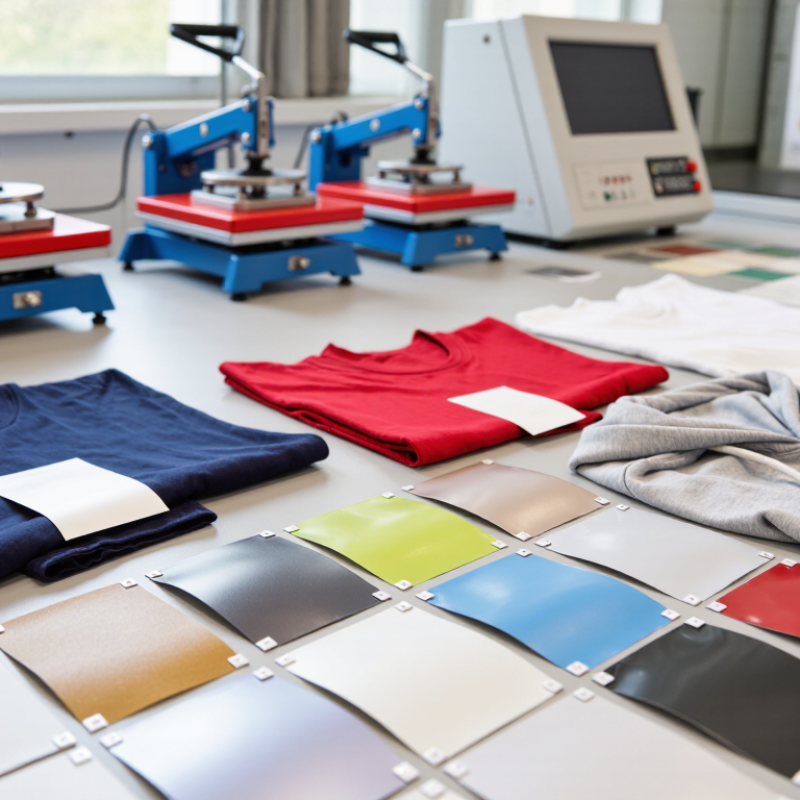
China Top Heat Transfer Labels For Clothing Suppliers?

Types of Heat Transfer Labels for Clothing

Heat Transfer Labels for Clothing: Types, Materials, and Practical Selection

Heat transfer labels differ by material, printing method, comfort, and durability. Polyurethane (PU) transfers create thin, soft graphics with sharp edges. They suit sportswear, underwear, and lightweight shirts. PVC transfers feel thicker and offer strong color density, but they may feel less breathable. Flock transfers add a raised, velvet-like surface. Silicone labels provide a flexible, premium texture for activewear.

Sublimation transfers work best on polyester fabrics, especially white or pale garments. They dye the fibers instead of forming a separate surface layer. Digital transfers support small orders and detailed artwork, while screen-printed transfers often provide stronger coverage on dark fabrics. Reflective transfers improve visibility on workwear and outdoor clothing. They need careful testing after repeated washing.

Material choice matters. Textile Exchange reported that global fiber production reached about 124 million tonnes in 2023, with polyester remaining the dominant fiber. This scale increases demand for efficient, compatible labeling methods. The report also projects global fiber production could reach 160 million tonnes by 2030. Suppliers should therefore confirm fiber content, stretch recovery, and dye migration before production.

In practical sampling, a label may look excellent before washing but crack after heat and friction. That is easy to overlook. Test at least several wash cycles, including stretching and tumble drying when relevant. Peel strength, hand feel, edge clarity, and application temperature should be recorded. A reliable supplier provides material specifications, test samples, and consistent production records, not only attractive catalog images.

Types of Heat Transfer Labels for Clothing

Typical heat-press temperatures vary by label material and fabric. The chart uses the midpoint of commonly specified application ranges; always confirm the final settings with the transfer manufacturer and test on the target garment.

PU, PVC, silicone, flock, and reflective transfers are commonly used for logos, care labels, size marks, and decorative details. Sublimation generally requires higher temperatures and is mainly suitable for polyester-based fabrics.

Key Features of China’s Top Label Suppliers

China’s top heat transfer label suppliers focus on consistent quality, not attractive samples alone. They test adhesion on cotton, polyester, blends, and textured fabrics. A reliable label should remain clear after repeated washing and drying. Suppliers often provide sample sheets before mass production. This helps buyers check color, edge sharpness, stretch, and hand feel. Experienced teams also use controlled curing temperatures and pressure settings. Small differences can affect durability. Color matching requires approved references, not casual screen comparisons. Pantone data and physical swatches improve accuracy.

Strong suppliers maintain clear production records and inspect labels in several stages. They review artwork, film cutting, printing, powder coverage, and final packing. Traceable batch numbers make problems easier to investigate. Documentation matters too. Buyers should request material details, test reports, and production specifications. Responsible factories can explain their quality controls in practical language. They also confirm lead times, minimum quantities, and packaging requirements before accepting an order. Communication may still be imperfect. Some samples need adjustment after real garment testing. That is normal, but ignored feedback becomes expensive. A dependable supplier listens, records changes, and sends a revised sample instead of making vague promises. Their value appears in repeatable results, careful testing, and honest limitations.

Materials and Technologies Used in Heat Transfer Labels

China Top Heat Transfer Labels For Clothing Suppliers?

Heat transfer labels depend on the garment fabric, wash cycle, and desired surface feel.

Polyurethane film creates a thin, flexible label with sharp edges and a soft touch. Thermoplastic polyurethane is often suitable for stretch garments because it follows fabric movement. Silicone offers a raised, rubber-like texture and strong visual depth. It feels different.

Flock materials add a velvet surface, while reflective films improve visibility under direct light. Water-based and plastisol inks support screen-printed transfers, although each requires different curing control.

Digital transfer technology works well for detailed graphics, gradients, and smaller production runs. Laser cutting can produce clean shapes, but excessive heat may distort thin films. This needs testing.

During supplier evaluation, request samples on the actual fabric, not only on flat test cloth.

Check peeling, cracking, color migration, and edge lifting after repeated washing. Heat press temperature, pressure, and dwell time must match the adhesive layer. A setting that works on cotton may damage nylon or coated fabric.

In practice, even reliable specifications can fail when fabric moisture changes. Recording test results improves consistency, but no process is perfect. Suppliers should provide material data, production tolerances, and wash-test records before bulk approval.

How to Evaluate Clothing Label Suppliers in China

China’s Top Heat Transfer Label Suppliers for Clothing

How to Evaluate Clothing Label Suppliers in China

Choosing a heat transfer label supplier requires more than comparing prices. Check how the supplier manages artwork, fabric testing, production control, and shipment records. Request a physical sample before approving bulk production. Examine its edges, print sharpness, stretch recovery, and adhesive coverage under normal lighting. Small flaws often become obvious after washing.

Ask for test data covering wash durability, color fastness, temperature resistance, and skin-contact safety. The supplier should explain suitable application temperatures and pressing times for cotton, polyester, blends, and coated fabrics. Reliable factories usually provide production samples, inspection records, and clear material specifications. Verify whether the stated factory address matches the actual production site. A video call helps, but an independent audit offers stronger evidence.

Communication is another practical test. Send a detailed label file and note how carefully the supplier checks size, color codes, and placement instructions. Ask about minimum order quantities, remake policies, lead times, and packaging protection. Vague answers deserve caution. A low quotation may exclude testing, tooling, or export preparation. I have seen teams focus on unit cost and overlook application failures during sewing. That mistake is expensive. Keep a written approval sample, confirm every change, and review the first production batch before expanding the order.

Ordering, Quality Control, and Customization Process

Choosing top heat transfer label suppliers in China requires more than comparing price lists. Start with a clear order brief, including fabric type, label size, artwork format, colors, quantity, and delivery schedule. Ask for a physical sample before approving bulk production. A sample can reveal peeling edges, weak color coverage, or a texture that feels uncomfortable on skin. I once underestimated fabric stretch during sampling, and the final label looked slightly distorted. That mistake showed why testing matters more than assumptions.

Quality control should continue after sampling. Request color references, wash testing, adhesion checks, and measurement records. Suppliers should explain their materials and production tolerances clearly. For larger orders, inspect random cartons and compare labels with the approved sample. Keep written approval records, because memory is unreliable. Customization may include matte or glossy finishes, elastic-friendly designs, low-temperature application, and special folding requirements. Share the garment’s composition and care conditions. Otherwise, a good design may fail during pressing or washing.

Tips: Order a small trial batch first. Test labels on the actual garment, not only on fabric scraps. Confirm artwork dimensions in writing. Ask how defects are replaced. Leave time for one revision; even experienced teams miss small details. A supplier that answers technical questions precisely is usually easier to manage during production.

FAQS

What are the main types of heat transfer labels for clothing?

Common types include PU, PVC, flock, silicone, sublimation, digital, screen-printed, and reflective transfers. Each offers different comfort and durability.

Which transfer label works best for stretchy sportswear?

PU and thermoplastic polyurethane transfers suit stretchy garments. They stay thin, flexible, and relatively soft during movement.

When should sublimation transfers be used?

Sublimation works best on white or pale polyester fabrics. The design enters the fibers instead of forming a separate surface layer.

Which label type suits dark garments?

Screen-printed transfers usually provide stronger coverage on dark fabrics. Digital transfers support fine artwork and smaller production runs.

Do thicker labels always last longer?

No. PVC feels thick and offers dense color, but thickness can reduce breathability. Durability depends on adhesion, fabric, washing, and curing.

How should a buyer test a heat transfer label?

Apply samples to the actual garment fabric. Wash and dry them repeatedly, then check cracking, peeling, stretching, color migration, and edge lifting.

What details should a supplier provide before bulk production?

Request material specifications, application temperature, pressure, dwell time, wash-test records, tolerances, and physical samples. Catalog images are not enough.

Why can a good-looking sample still fail later?

Heat, friction, moisture, and tumble drying can expose weak adhesion. A sample may look perfect before washing. Test it anyway.

What should buyers check when comparing suppliers?

Review production records, batch numbers, approved color references, sample revisions, and packaging details. Communication may still be imperfect.

Are reflective transfers suitable for every garment?

Reflective transfers improve visibility on outdoor and work clothing. Their performance still requires repeated-wash testing under the intended conditions.

Conclusion

Choosing the right Heat Transfer Labels For Clothing supplier in China requires careful attention to label types, materials, printing technologies, and production capabilities. Common options include care labels, size labels, logo labels, reflective labels, and decorative transfers, each designed for different garment applications. Reliable suppliers typically offer durable adhesion, clear printing, accurate color reproduction, soft hand feel, and resistance to washing, stretching, and heat. Materials may include polyurethane, polyester, silicone, and other transfer films, supported by techniques such as screen printing, digital printing, and thermal application.

Before placing an order, buyers should evaluate a supplier’s experience, customization options, sample quality, production capacity, communication, and quality assurance procedures. A well-managed process should cover artwork confirmation, material selection, sample approval, testing, bulk production, packaging, and delivery coordination. Clear specifications and inspections at each stage help ensure consistent results, accurate sizing, strong adhesion, and compliance with the garment’s intended use.


Mason

Mason

Mason is a seasoned marketing professional with a deep expertise in the company's offerings and a passion for driving brand awareness. With a strong background in digital marketing strategies, he has an innate ability to connect with diverse audiences and effectively communicate product benefits.......