Optimizing heat transfers is crucial for enhancing system efficiency. Heat transfers play a significant role in various engineering applications, including HVAC systems, manufacturing processes, and renewable energy technologies. Poor heat transfer can lead to energy loss, increased costs, and reduced performance.
To achieve better efficiency, it is essential to understand the principles of heat transfer. This includes conduction, convection, and radiation. Each method has its unique characteristics and applications. For instance, in industrial settings, maintaining optimal heat transfer rates can significantly lower energy consumption.
Despite advancements, many systems still struggle with inefficiencies. Factors like material selection and design flaws can hinder effective heat transfers. Identifying these issues allows engineers to reflect on their approaches. Continuous improvement in techniques and technologies is necessary for achieving desired efficiency levels.
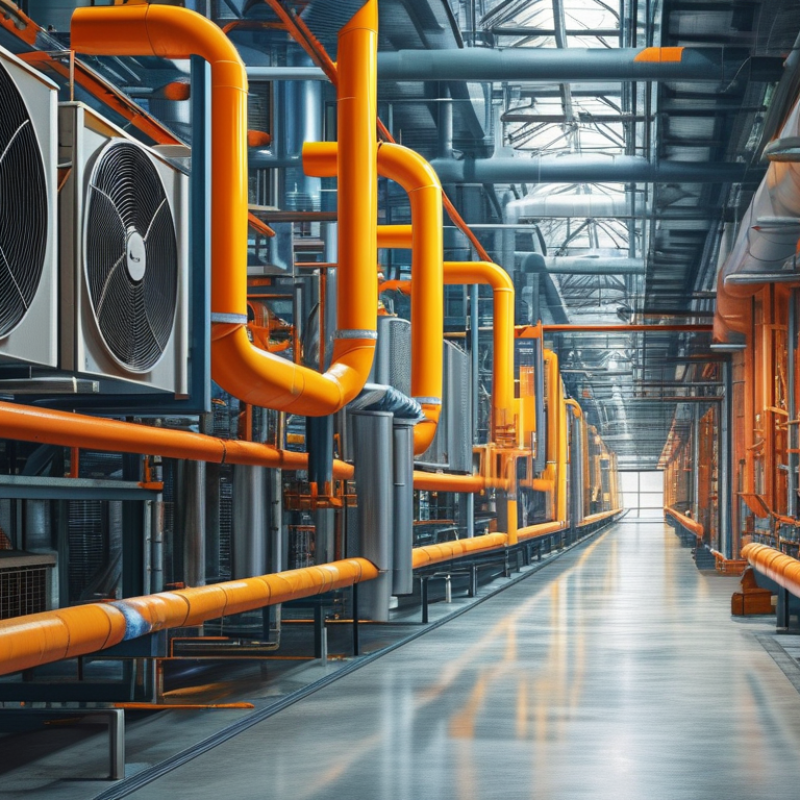
Heat transfer is a fundamental concept in thermodynamics. Understanding the mechanisms behind it can enhance efficiency in various applications. Conduction, convection, and radiation are the three primary modes of heat transfer. Each plays a unique role in how energy moves through materials and environments.
Conduction occurs when heat moves through a solid. Metals are usually good conductors. Wood, on the other hand, has lower conductivity. This difference can guide material choices in construction or manufacturing. Convection involves the movement of fluids. Hot fluid rises, while cool fluid sinks. This creates a circulation pattern. Understanding fluid dynamics can improve heating or cooling systems.
Radiation differs by not requiring a medium. Energy travels through electromagnetic waves. For example, the sun warms the earth through radiation. Designing efficient spaces requires knowledge of all these mechanisms. Mistakes in insulation or material selection can lead to significant energy losses. Reflecting on these dynamics can lead to better outcomes in the long run.
This chart illustrates the comparative heat transfer rates for three mechanisms: conduction, convection, and radiation. Understanding these mechanisms is essential for optimizing heat transfers in various applications, leading to better efficiency and performance.
Heat transfer efficiency is crucial in many applications. Various factors significantly affect the rate of heat transfer. This includes the material properties, surface area, and the temperature difference between two systems. Understanding these factors can lead to optimized designs and improved performance.
One important factor is the choice of materials. Materials with high thermal conductivity, like copper, enhance heat transfer. Increase surface area for better interaction with fluids. A larger area allows more heat to flow. Consider using fins or extended surfaces in designs.
Remember to account for the temperature gradient. A higher temperature difference increases energy transfer. However, excess temperatures can lead to thermal stress in materials. Always monitor operating conditions to avoid potential damage. Adjusting these factors can require careful analysis and testing to achieve desired results. Consider simulations to predict performance.
Enhancing heat transfer efficiency in systems involves various techniques. One popular method is increasing the surface area of heat exchangers. More surface area allows for greater contact between fluids, promoting heat exchange. Consider using finned surfaces to maximize heat transfer. These fins can be made from materials with high thermal conductivity.
Another technique is to optimize fluid flow. Turbulent flow typically improves heat transfer compared to laminar flow. Use fittings and piping arrangements that minimize flow resistance. This can ensure that the fluid moves faster, increasing its ability to absorb or dissipate heat.
Monitoring and maintaining optimal operating conditions is crucial. Even small changes in temperature or pressure can affect efficiency. Regular inspections and updates to equipment can prevent heat transfer issues. Evaluate the system's performance routinely and identify areas needing improvement. Simple adjustments can often yield significant gains.
Efficiency is an ongoing challenge. Some methods may not yield immediate results. Reflect on what works for your system and adapt accordingly. This process will lead to continual improvements in heat transfer efficiency.
| Technique | Description | Efficiency Improvement (%) | Applications |
|---|---|---|---|
| Enhanced Surface Area | Increase surface area through fins or corrugated surfaces to improve heat transfer. | 15-30% | Heat exchangers, radiators |
| Use of Turbulators | Insert devices to induce turbulence, thus enhancing mixing and heat transfer rates. | 20-40% | Pipelines, reactors |
| Phase Change Materials | Utilize materials that absorb or release heat during phase transitions. | 25-50% | Thermal storage, building materials |
| Nanofluids | Suspension of nanoparticles in base fluids to enhance thermal conductivity. | 10-60% | Cooling systems, electronic devices |
| Insulation Improvement | Use of advanced insulation technologies to reduce heat losses. | 15-35% | Piping, storage tanks |
Effective thermal performance hinges on the choice of materials and proper insulation techniques. Insulation materials play a vital role in minimizing heat loss. Common options include fiberglass, foam boards, and mineral wool. Each material has unique properties that can cater to different needs and applications. For instance, fiberglass offers a good balance of thermal resistance and cost-effectiveness. However, in certain situations, its effectiveness may be compromised by moisture.
Additionally, optimizing the installation of insulation is equally important. Poorly installed insulation can lead to gaps that significantly reduce efficiency. Air leaks around windows and doors can undermine the benefits of any high-quality insulation. Regular checks and maintenance ensure that materials perform as intended. It's essential to consider the local climate when choosing materials. What works in one region might not be suitable in another.
Innovative materials like aerogel are gaining attention for their impressive thermal performance. They demonstrate that advancements in technology can lead to better solutions. Yet, while they provide excellent insulation properties, they can also be cost-prohibitive. Striking a balance between performance and budget remains a challenge. Understanding the nuances of different insulation options is crucial for enhancing overall energy efficiency.
Monitoring heat transfer efficiency is crucial for optimizing energy use. Accurate analysis can reveal inefficiencies in systems, which leads to better performance. One method is to install temperature sensors. These sensors monitor thermal gradients and help identify problem areas. Collecting data consistently provides valuable insights into the overall effectiveness of the heat transfer process.
Analyzing your heat transfer system involves checking for heat losses. Insulation quality is essential. Poor insulation increases energy consumption and costs. Regular inspections can help maintain value and performance. Look for signs of wear and tear. This proactive approach allows for timely repairs.
When assessing efficiency, keep records of performance metrics. Identifying patterns can help highlight areas for improvement. Always consider feedback from users in the system. Their insights are valuable and often overlooked. Effective communication fosters a culture of continuous enhancement. Adjusting your strategy based on these analyses can lead to significant energy savings and efficiency gains.
: The three main mechanisms are conduction, convection, and radiation. Each affects energy movement differently.
Conduction involves heat transfer through solids. Metals are good conductors, while wood has lower conductivity.
Convection involves fluid movement. Hot fluids rise, cool fluids sink, creating circulation patterns that enhance heat transfer.
A larger surface area allows more heat to flow. Use designs like fins to increase interaction with fluids.
A larger temperature difference increases energy transfer. However, excess temperatures can lead to material stress.
Monitoring helps identify inefficiencies, leading to better performance and energy use optimization.
Temperature sensors can monitor thermal gradients and identify problem areas in heat transfer systems.
Poor insulation increases energy costs. Regular checks can help maintain insulation quality and overall system performance.
User feedback can reveal overlooked issues and guide improvements, enhancing overall efficiency.
Analyzing and addressing these issues requires careful attention and potentially adjusting strategies for improvement.
Optimizing heat transfers is essential for enhancing system efficiency and achieving better thermal performance. Understanding the fundamental mechanisms of heat transfer—conduction, convection, and radiation—provides a solid foundation for identifying factors that influence efficiency. Key elements such as temperature gradients, surface area, and fluid dynamics play a significant role in how effectively heat moves through a system.
To improve heat transfer, various techniques can be employed, including the use of enhanced heat exchangers and optimal flow arrangements. Selecting appropriate materials and insulations can further bolster thermal performance, reducing energy loss during transfers. Regular monitoring and analysis of heat transfer efficiency are vital to identify improvements and ensure systems operate at peak performance, ultimately leading to more efficient energy consumption and reduced operational costs.

TALENT Industrial