China Top 10 Apparel Transfers Suppliers for Global Buyers?

Time:2026-09-27 Author:Ethan
0%

China has become a major sourcing base for Apparel Transfers, serving fashion labels, uniform manufacturers, sportswear brands, and online retailers. Its supplier landscape includes factories producing screen-printed transfers, heat-transfer vinyl, sublimation films, and increasingly detailed digital transfers. Yet supplier choice is not simply a price comparison.

Textile-printing consultant Debbie McKeegan observes, “Technology matters only when it improves the product and the process.” That principle gives this guide a practical direction. The selected companies will be examined through print clarity, wash resistance, color consistency, material compatibility, sampling speed, and export experience. A supplier may show impressive catalog images, but the real test begins after repeated washing, stretching, folding, and pressing.

Small details matter.

Buyers should request production samples, technical specifications, packaging photos, and recent quality records. They should also confirm minimum order quantities, lead times, artwork requirements, and communication procedures before placing large orders. Certifications can support trust, but they should be verified rather than accepted at face value.

This list is not a perfect ranking. Supplier capabilities change, and public information may remain incomplete. Some manufacturers excel at large uniform orders but struggle with small fashion collections. Others offer sharp sampling yet need stronger capacity planning. Those limitations deserve attention. A careful buyer should compare evidence, not promises.

The following overview introduces China’s top 10 Apparel Transfers suppliers for global buyers. It focuses on practical purchasing decisions, responsible cooperation, and the production details that can influence a finished garment’s appearance and performance.
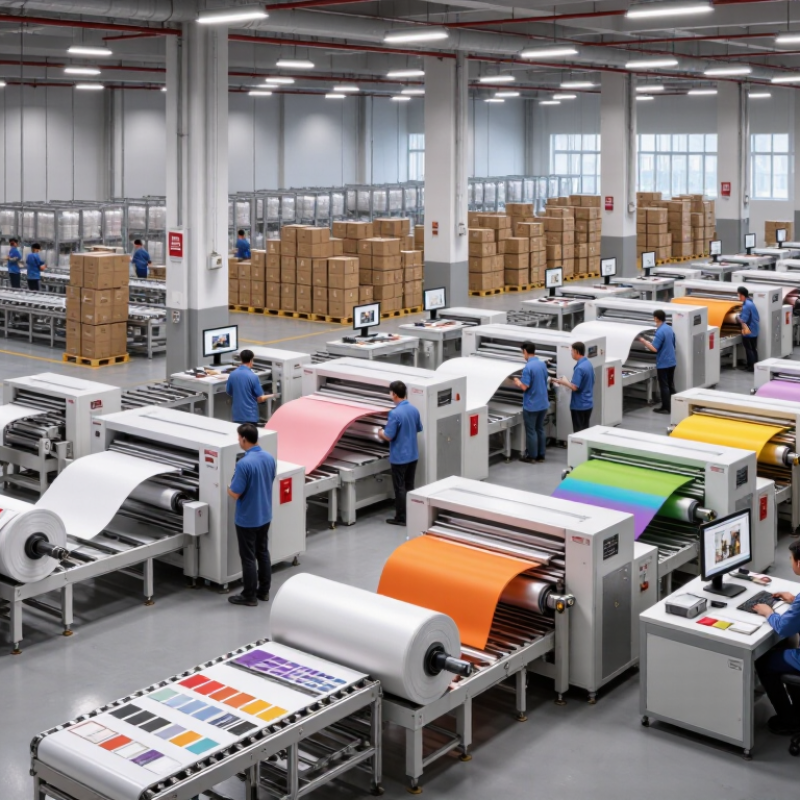
China Top 10 Apparel Transfers Suppliers for Global Buyers?

What Are Apparel Transfers and Why Do Global Buyers Need Them?

Apparel transfers are pre-printed designs applied to garments with controlled heat and pressure. They can use transfer film, specialized inks, or cut materials, depending on the required finish. For global buyers, transfers offer flexible production without ordering large quantities of fully decorated clothing. A buyer can stock blank shirts, then apply different designs when demand becomes clearer. This reduces unused inventory and supports seasonal collections, uniforms, event clothing, and personalized orders.

Experienced buyers usually request physical samples before approving bulk production. A sample reveals color accuracy, edge sharpness, stretch performance, and fabric compatibility. Wash testing matters too. A transfer may look excellent after pressing but crack after repeated washing. That is an uncomfortable possibility. Clear artwork files, fabric details, placement measurements, and pressing instructions help prevent avoidable defects. Buyers comparing China’s top apparel transfer suppliers should also check communication speed, production capacity, packaging protection, and quality inspection records. Certifications and testing documents should match the destination market, not merely decorate a sales presentation.

Tips: Ask for samples on the exact garment fabric. Confirm application temperature, pressure, and pressing time. Request a wash-test report when possible. Keep an approved reference sample for bulk inspection. Remember that darker fabrics, textured surfaces, and elastic materials may require different transfer specifications. Supplier advice is useful, but independent testing is safer. Even careful buyers can miss a small color difference under warehouse lighting. Examine samples in daylight when accuracy matters.

How to Evaluate the Top Apparel Transfer Suppliers in China

Evaluating China’s top apparel transfer suppliers requires more than comparing price lists. Start with technical evidence. Request a production sample on the exact fabric, not a generic cotton swatch. Check color accuracy, edge definition, stretch recovery, hand feel, and peeling after washing. A reliable supplier should provide test conditions, including temperature, pressure, curing time, and wash cycles. AATCC test methods can support repeatable color and durability checks.

Capacity also matters. Ask for monthly output, standard lead times, minimum order quantities, and emergency production procedures. Review inspection records, batch coding, and incoming-material controls. Supplier audits should confirm worker safety, chemical management, and traceability. The 2024 Textile Exchange Materials Market Report estimated global fiber production at 124 million tonnes in 2023, with demand potentially reaching 160 million tonnes by 2030. That growth increases pressure on material transparency, even for small transfer components.

Sustainability claims need careful testing. Request relevant certificates and verify their scope, expiry date, and issuing body. Do not accept a logo as proof. Compare solvent use, packaging materials, energy data, and waste rates. A lower quotation may hide weak quality control. It often does. Digital sample approval can reduce errors, but physical testing remains essential. Buyers should record every result in a supplier scorecard, weighted by quality, compliance, communication, and delivery reliability. I would also repeat the wash test after a production run; one approved sample can create false confidence.

Key Products and Customization Services Offered by Chinese Suppliers

Chinese apparel transfer suppliers serve global buyers with DTF films, screen-print transfers, heat-transfer vinyl, sublimation papers, and embroidered patches. Many also provide artwork separation, color matching, sampling, private labeling, and retail-ready packaging. Grand View Research valued the global custom T-shirt printing market at approximately USD 4.3 billion in 2023, showing strong demand for flexible decoration services.

The strongest Chinese suppliers support cotton, polyester, blends, denim, and performance fabrics. They should provide wash-test reports, color standards, production samples, and clear lead times. Textile Exchange reported that global fiber production reached 132 million tonnes in 2023. This highlights the need for responsible material choices and lower-waste production. A low quote can mislead. Adhesion, hand feel, and color stability may suffer after repeated washing. No supplier is perfect.

Tips: Request a physical sample before placing a bulk order. Test it after five to ten washes. Confirm minimum order quantities, artwork fees, film thickness, curing temperature, and defect handling. Ask whether recycled films or water-based inks are available. Review factory audit records and independent test results. Communication matters too; unclear artwork instructions often create avoidable delays. An experienced buyer should compare three suppliers, not only their prices.

China Top 10 Apparel Transfers Suppliers for Global Buyers? — Key Products and Customization Services Offered by Chinese Suppliers
Supplier Profile Typical Transfer Products Common Customization Services Suitable Applications Buyer Checks
1. DTF transfer specialist Full-color direct-to-film transfers supplied as ready-to-press designs or printed transfer rolls. Custom artwork, print size, color, gang sheets, and roll or sheet format; artwork file checks may be available. Small-batch and multicolor designs for cotton, polyester, and many blended garments, subject to transfer specifications. Request fabric-specific press instructions, wash-test results, minimum order details, and confirmation of compatible fabrics.
2. Screen-printed transfer producer Screen-printed plastisol transfers, including standard-color and specialty-effect options where offered. Custom spot colors, print dimensions, placement, and effects such as metallic or high-density finishes, depending on equipment. Repeat designs, teamwear, uniforms, and larger production runs where consistent artwork is required. Confirm color-matching method, setup costs, transfer storage guidance, and pressing parameters for the target garment.
3. Sublimation transfer printer Dye-sublimation transfer paper printed for heat transfer onto suitable polyester-based materials. Custom graphics, panel layouts, repeat patterns, and print dimensions; cut-and-sew coordination may be available. Polyester apparel and suitable coated items; generally not a direct option for untreated cotton. Check the substrate requirements, color expectations, print-area limits, and whether the supplier offers paper only or finished garments.
4. Heat-transfer vinyl (HTV) supplier Cuttable heat-transfer films in solid colors and selected specialty finishes. Custom film colors, finishes, sheet or roll formats, and pre-cut shapes where offered. Names, numbers, logos, and simple graphics for sportswear, workwear, and personalized garments. Ask for material composition, cutting and weeding guidance, application settings, and compatibility with stretch fabrics.
5. Reflective-transfer specialist Reflective films or reflective heat-transfer graphics designed to return light toward its source. Custom graphic shapes, sizes, and placement; reflective grades and colors depend on the product range. Selected workwear, outdoor apparel, and visibility details; suitability depends on the garment’s intended use and requirements. Request product test documentation and verify applicable safety standards independently; a decorative transfer alone does not certify a garment.
6. Silicone-transfer producer Silicone-based heat-transfer labels, logos, and raised or textured graphics. Custom shape, dimensions, color, surface texture, and relief height within manufacturing limits. Sportswear, activewear, outerwear, and branding applications requiring a tactile finish. Confirm stretch and wash performance, garment compatibility, minimum order quantity, and application instructions.
7. TPU and 3D transfer supplier Thermoplastic polyurethane transfers, including dimensional or layered logo effects where available. Custom artwork, thickness, color, finish, and transfer dimensions; construction varies by design. Decorative logos and labels for fashion, footwear, bags, and selected apparel products. Check flexibility, edge quality, wash-care guidance, and performance on the intended fabric before bulk production.
8. Woven and printed heat-transfer label supplier Heat-applied garment labels and branding transfers, including printed label designs. Custom logo, text, size, color, shape, and label layout; care or size information can be incorporated when specified. Neck labels, size marks, care information, and interior or exterior garment branding. Confirm material composition, skin-contact suitability, readability, attachment method, and local labeling obligations.
9. Embroidered-patch transfer supplier Embroidered or embroidery-effect patches supplied with a heat-applied backing, depending on construction. Custom patch shape, thread colors, dimensions, border, and backing options. Uniforms, caps, jackets, bags, and garments that benefit from a patch-style decoration. Ask whether the product is fully embroidered or an imitation effect, and test adhesion on the target fabric.
10. Multi-process transfer converter A mixed catalog of transfer types, potentially including DTF, screen-printed, film, or label products. Multiple print processes, consolidated artwork handling, assorted sizes, and mixed-product orders where accepted. Buyers sourcing several decoration types or comparing processes for different designs. Verify which processes are produced in-house, obtain separate specifications for each item, and clarify quality-control responsibility.

Note: These are representative supplier profiles and common industry offerings, not verified company listings or a ranked directory. Capabilities, materials, minimum order quantities, certifications, lead times, and customization options vary by supplier and should be confirmed directly before ordering.

Quality Standards, Production Capacity, and Export Compliance

China Top 10 Apparel Transfer Suppliers for Global Buyers?

China remains a major apparel sourcing base. The WTO reported that China supplied about 31% of global clothing exports in 2022. For global buyers, production scale matters, but documented quality systems matter more. A reliable supplier should show recent ISO 9001 records, fabric test reports, and stable factory capacity. Ask for monthly output, not vague claims. A sample line with measured seams, colorfastness results, and carton labels can reveal operational discipline.

Export compliance needs equal attention. The OECD recommends risk-based due diligence across garment supply chains, including labor, environmental, and sourcing risks. Suppliers should provide fiber composition records, restricted-substance testing, and traceable commercial invoices. Destination rules may require chemical compliance, labeling accuracy, and customs documentation. A supplier that cannot explain its testing laboratory is a weak candidate, even with attractive pricing. This is where many buying teams underestimate risk.

Tips: Compare at least three factories using the same technical pack. Request a live production video and a pre-shipment inspection. Check whether test reports match the exact fabric and color. Do not accept old certificates. They expire in practice.

Production capacity can change during peak seasons. Buyers should confirm machinery lists, subcontracting controls, lead times, and backup plans in writing. The 2023 Textile Exchange Materials Market Report also highlights rising pressure for preferred and recycled materials, yet recycled claims still require verification. Some supplier declarations remain too general. That deserves a second review.

This chart presents a non-company-specific buyer evaluation framework for Chinese apparel suppliers. Quality, production capacity, and export compliance are weighted equally at 33.3% each; the values represent the recommended share of a supplier due-diligence checklist rather than individual company results.

How to Select the Right Chinese Apparel Transfer Supplier for Your Market

China Top 10 Apparel Transfer Suppliers for Global Buyers

Choosing the right Chinese apparel transfer supplier requires more than comparing prices. Check transfer quality, production experience, testing systems, and communication speed. A reliable supplier should provide wash-test results, colorfastness data, material declarations, and clear production tolerances. These details reduce costly rework.

Textile Exchange’s Materials Market Report 2024 states that global fiber production reached 124 million tonnes in 2023. It may reach 160 million tonnes by 2030. This growth increases pressure on buyers to select suppliers using efficient materials and controlled waste processes. Ask whether the supplier can offer recyclable packaging, lower-waste cutting, and documented chemical management.

I have found that attractive samples can hide inconsistent curing temperatures. That weakness often appears after repeated washing. Buyers should test several production batches, not only one sample.

Tips: Request a small pilot order. Measure print alignment, stretch recovery, peeling, and color stability. Confirm lead times during peak seasons. Review factory audit records and independent test reports. Use recognized methods, such as ISO-based colorfastness testing, where suitable. Do not rely on catalog photos. A supplier may have excellent equipment but weak quality control. Sometimes the cheapest quotation becomes the most expensive option after returns, delays, and rejected garments. Region-specific labeling and chemical requirements also deserve review before shipment.

FAQS

What products can Chinese apparel transfer suppliers provide?

Common options include DTF films, screen-print transfers, heat-transfer vinyl, sublimation papers, and embroidered patches.

Which fabrics should I test before ordering?

Test the exact cotton, polyester, blend, denim, or performance fabric used in production. Wash it five to ten times.

What should I check on a physical sample?

Inspect adhesion, print alignment, color, stretch recovery, and hand feel. Look for peeling after washing. Test it again.

What customization services may suppliers offer?

Services can include artwork separation, color matching, samples, private labeling, and retail-ready packaging. Confirm fees and file requirements.

How can I compare supplier quality fairly?

Send the same technical pack to three suppliers. Compare test reports, tolerances, defect handling, lead times, and sample results.

What production details should I confirm in writing?

Ask about monthly output, minimum order quantities, machinery, subcontracting, peak-season delays, and backup plans. Vague promises are not enough.

Which documents and tests should I request?

Request current factory audit records, material declarations, restricted-substance tests, and traceable invoices. Check that reports match your fabric and color.

How should I assess recycled materials and packaging claims?

Ask for specific material evidence and details about recycled films, water-based inks, or recyclable packaging. General claims need another review.

Is the lowest quotation usually the best choice?

Not always. Poor adhesion or unstable color can lead to returns and delays. No supplier is perfect.

Conclusion

Apparel Transfers are a practical solution for adding detailed graphics, lettering, logos, and decorative designs to garments and textile products. For global buyers, Chinese suppliers can offer flexible customization, competitive pricing, scalable production, and support for different fabric types and application methods. This article explains how to assess suppliers by reviewing their product range, artwork preparation, sampling process, communication efficiency, and ability to meet specific design and packaging requirements.

It also examines key factors such as print clarity, color consistency, wash durability, material safety, production capacity, lead times, and quality-control procedures. Export documentation, packaging standards, and compliance with destination-market regulations are equally important when choosing a reliable partner. By comparing technical capabilities, service responsiveness, order flexibility, certifications, and total purchasing costs, buyers can select a Chinese Apparel Transfers supplier that matches their market needs and supports stable, long-term cooperation.


Ethan

Ethan

Ethan is a seasoned marketing professional with a deep expertise in our company's innovative product line. With a passion for sharing knowledge and insights, he takes the lead in regularly updating our corporate blog, where he explores industry trends, product features, and effective marketing......